

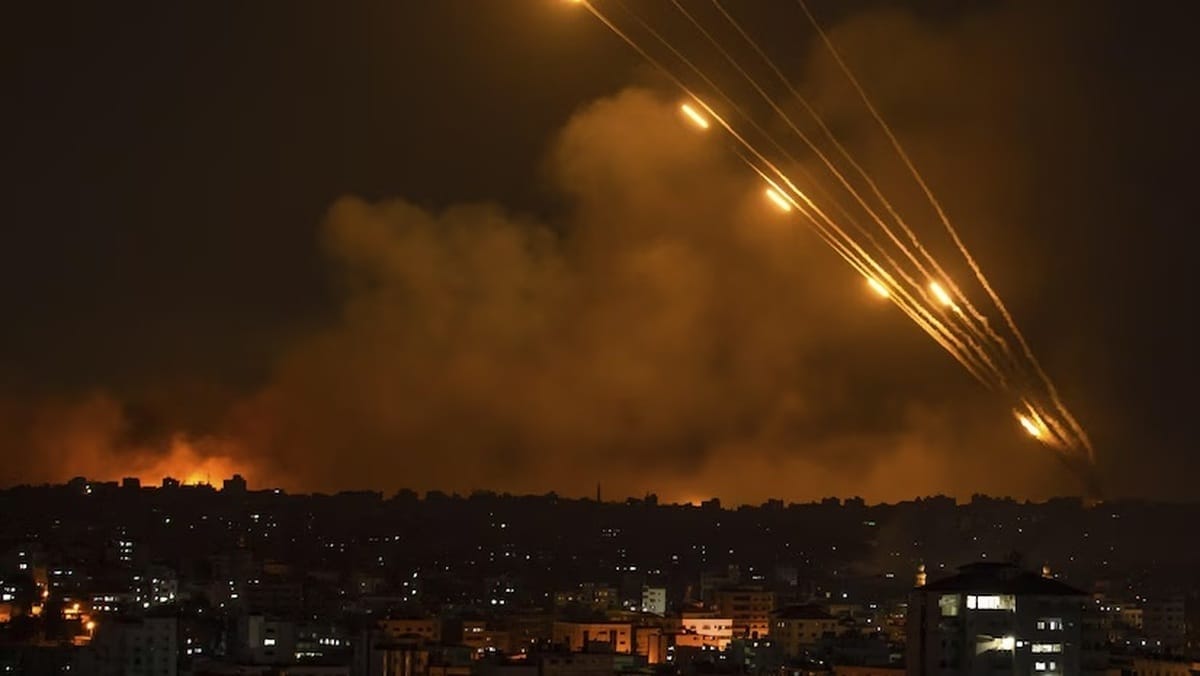
The geopolitical tension in the Middle East took a sharp turn when Iran launched a missile attack on Israel on October 1, 2024. This attack came in the midst of Israel’s ongoing military offensive against Hezbollah, Iran’s primary proxy in Lebanon. In response, the United States issued a stern warning to Iran, cautioning of “severe consequences” for any direct military action against Israel. The missile strike, while not resulting in major injuries, marked a significant escalation in the conflict, which has been simmering since Hezbollah and Hamas launched coordinated attacks against Israel in October 2023(The Jewish Chronicle)

The Context Behind the Attack
Israel has been engaged in extensive military operations against Hezbollah in Lebanon for the past year, aiming to dismantle the group’s leadership and operational infrastructure. This offensive included the killing of Hezbollah leader Hassan Nasrallah and numerous other high-ranking officials. The Israeli Defense Forces (IDF) also revealed that ground forces had destroyed Hezbollah weapons depots and tunnel systems, marking the first significant incursion into Lebanon since 2006. Iran, seeing the devastation of its proxy forces and seeking to restore the balance of power, initiated the missile barrage against Israel as a direct response to these operations.
US Involvement and Warnings
Prior to the attack, the United States had already indicated that it was aware of Iran’s plans to launch a ballistic missile assault on Israel. A senior White House official confirmed that the U.S. was actively supporting Israel’s defensive preparations. After the missiles were fired, the Biden administration reiterated its stance, promising to back Israel in exacting “severe consequences” for the Iranian aggression. The U.S. also reinforced its commitment to assisting Israel militarily, hinting at the possibility of broader regional involvement if the conflict escalated.
Israeli Defense Response
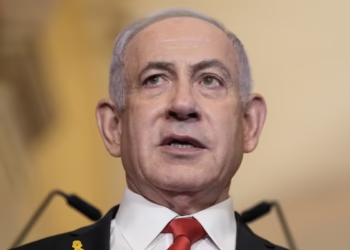
Despite the barrage, Israel’s defense systems managed to intercept the majority of the missiles, with no significant casualties reported. However, Israeli officials warned that more attacks could be imminent. The IDF spokesperson, Daniel Hagari, urged Israeli citizens to remain in bomb shelters and follow safety protocols until further notice. In a show of resilience, Prime Minister Benjamin Netanyahu assured the Israeli public that his government would respond decisively to the attack, pledging that Israel would retaliate at a time and place of its choosing.
Broader Implications
This missile strike underscores the volatile nature of the Israel-Iran-Hezbollah axis in the region. Iran’s willingness to engage directly, rather than solely through proxy groups like Hezbollah and Hamas, indicates that the conflict is entering a more dangerous phase. Both Israel and the United States have signaled their intent to respond with increased military pressure, with Israel already preparing for potential further escalation. The attack also occurred during a time of heightened vigilance in Israel, as security measures had already been stepped up in anticipation of potential retaliation from Iran’s proxies.
International Reactions
The international community has been closely monitoring the developments, with many Western nations expressing support for Israel’s right to defend itself. However, concerns are growing that the conflict could spill over into a broader regional war, especially if Iran continues to engage directly. The U.S. and its allies have emphasized the need for restraint but are preparing for the possibility of greater military involvement if the situation deteriorates further.
In conclusion, the missile attack from Iran marks a significant escalation in the already complex and tense dynamics of the Middle East. While Israel has managed to prevent major casualties, the threat of further aggression looms large. Both Israel and the United States are positioning themselves for a potentially larger conflict, with Iran and its proxies determined to resist. The next steps from all parties will be critical in determining whether the region plunges into a wider war or if diplomatic efforts can prevent further bloodshed.