

Delhi’s Air Quality Crisis: Disruptions and Precautions
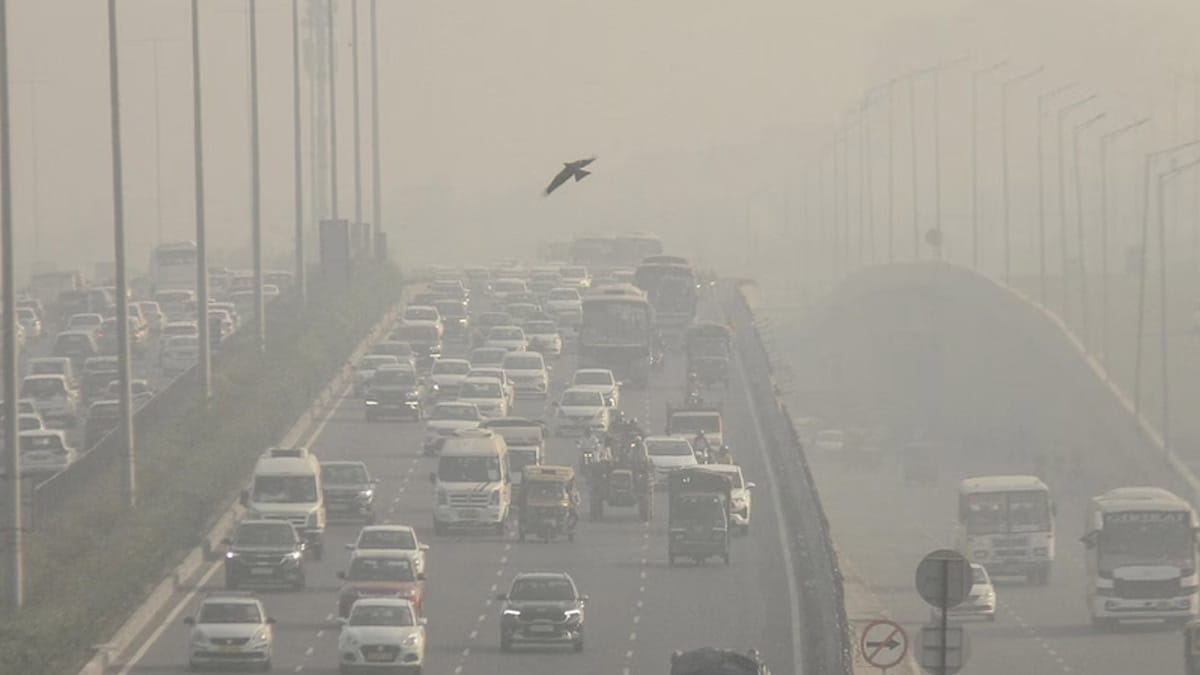
Delhi’s air quality has plunged into the “severe” category, causing widespread disruptions and raising health alarms. With an Air Quality Index (AQI) exceeding 430 in several areas, a dense layer of smog has enveloped the city, leading to visibility issues and heightened health risks.

Air Quality Status
The AQI, which measures the concentration of particulate matter (PM2.5 and PM10), has crossed hazardous levels in Delhi and its surrounding areas. These pollutants, along with nitrogen oxides from vehicle emissions, stubble burning, and industrial activities, are significant contributors to the deteriorating air quality. The situation worsens in winter due to temperature inversions, which trap pollutants near the ground.
Impact on Daily Life
1. Schools and Colleges
Schools and colleges in Delhi remain open despite the alarming pollution levels. However, parents and educators have expressed concerns over the potential health risks for students, especially young children and those with respiratory issues. Many schools have restricted outdoor activities, such as sports and physical education classes, to minimize exposure.
2. Offices and Workplaces
Offices are operational, with no official closures reported. Employers are advised to take preventive measures, such as allowing work-from-home options and installing air purifiers in workplaces. The government has not yet issued directives for remote work, but many private companies are proactively addressing employees’ health concerns.
3. Transportation Disruptions
Low visibility caused by smog has severely impacted travel:
- Flights: Several flights were delayed or diverted from Delhi’s Indira Gandhi International Airport due to poor visibility. Airlines, including IndiGo, have issued advisories urging passengers to check flight statuses and expect delays.
- Trains: Northern Railways reported delays across multiple routes due to visibility issues. Passengers are advised to monitor updates from Indian Railways before traveling.
- Road Traffic: Commuters experienced slower travel times as thick smog reduced visibility and increased road hazards.
Government Measures and Advisories
Authorities have implemented measures under the Graded Response Action Plan (GRAP) to combat the pollution crisis. Key steps include:
- Ban on Construction Activities: Non-essential construction has been temporarily halted to reduce dust pollution.
- Restrictions on Vehicles: Heavy vehicles, except those carrying essential goods, are restricted from entering the city. Private vehicles are encouraged to carpool or use public transport.
- Water Sprinkling: Water tankers are deployed to control dust on roads.
- Closure of Brick Kilns: Non-compliant industrial units, including brick kilns, have been ordered to shut down.
Despite these measures, activists argue that stricter enforcement and long-term strategies are essential to address the recurring pollution crisis.
Health Warnings
Doctors and health experts have issued strong warnings about the adverse health effects of prolonged exposure to such polluted air. Vulnerable groups, including children, the elderly, and individuals with pre-existing conditions, are at heightened risk. Symptoms like coughing, throat irritation, and difficulty breathing are on the rise.
Residents are advised to take the following precautions:
- Avoid outdoor activities, especially in the early morning and late evening.
- Wear N95 masks when stepping out.
- Use air purifiers indoors to maintain air quality.
- Stay hydrated to flush out toxins.
Economic Implications
The pollution crisis is not only a public health emergency but also an economic concern. Industries reliant on transportation and logistics are facing disruptions, while the tourism sector reports cancellations due to unfavorable conditions. The cumulative cost of air pollution in terms of healthcare and productivity loss continues to burden the city’s economy.
Public Response
Citizens are voicing their frustration over the lack of long-term solutions. Social media platforms are flooded with complaints and calls for stricter action against stubble burning and vehicular emissions. Many residents have demanded the implementation of a permanent odd-even vehicle scheme and the expansion of green cover across the National Capital Region (NCR).
Way Forward
Experts emphasize the need for sustainable practices to combat air pollution in the long run. Recommendations include:
- Promoting clean energy solutions and reducing reliance on coal-fired power plants.
- Implementing stricter emission norms for industries and vehicles.
- Enhancing public transport infrastructure to reduce vehicular congestion.
- Incentivizing farmers to adopt eco-friendly alternatives to stubble burning, such as bio-decomposers.
Conclusion
Delhi’s ongoing air quality crisis underscores the urgent need for coordinated efforts between governments, industries, and citizens. While immediate measures help mitigate the situation, only long-term strategies can ensure a sustainable solution to the city’s recurring pollution woes. Until then, residents must remain vigilant and take necessary precautions to protect their health.