


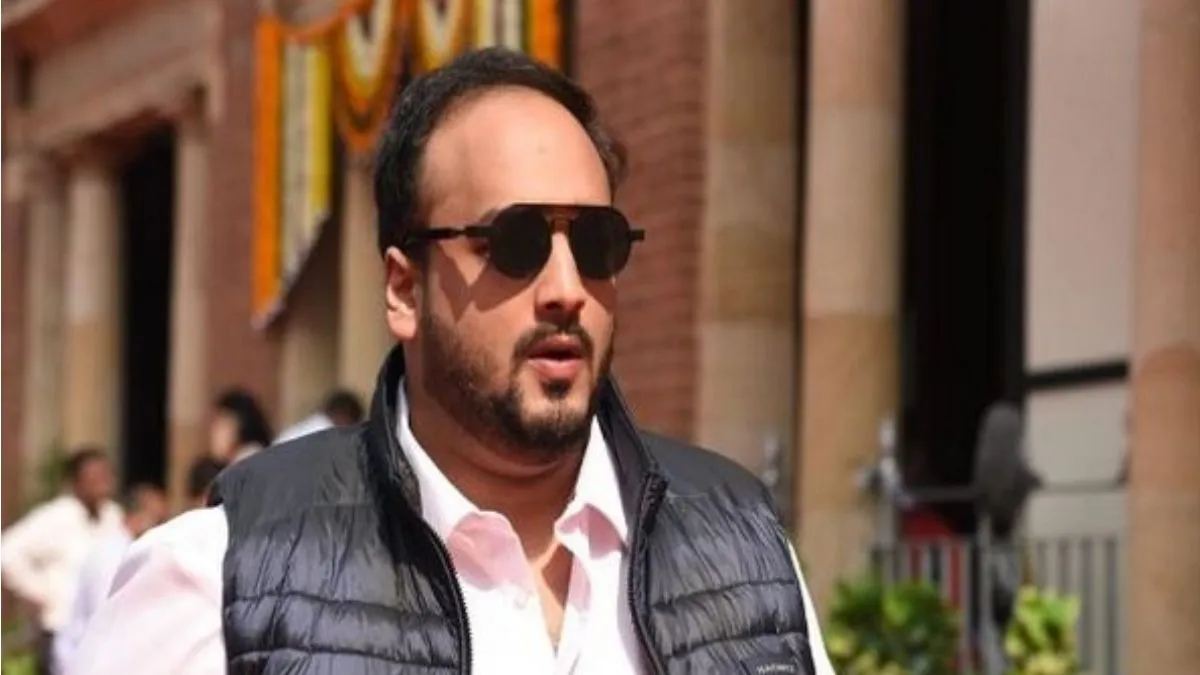
Snapchat messages containing Zeeshan Siddique’s photo, shared by Lawrence Bishnoi gang handlers
The investigation into the murder of Baba Siddique, a senior NCP leader, has taken a significant twist after police recovered critical evidence linking the notorious Lawrence Bishnoi gang to the crime. Baba Siddique was shot dead in broad daylight by assailants suspected to have been hired by the Bishnoi gang, a group with a history of contract killings.

The breakthrough in the case came when investigators seized a mobile phone from one of the arrested suspects. The phone contained a photograph of Zeeshan Siddique, Baba Siddique’s son, which has now raised questions about whether Zeeshan was also a target or if the photograph was used as part of a verification process for the killers. This development has heightened the mystery surrounding the murder and pointed to a more intricate conspiracy than initially suspected.
According to police sources, the photograph of Zeeshan Siddique was shared with the shooters via Snapchat, a social media platform known for its feature of disappearing messages. Investigators revealed that the conspirators used Snapchat to coordinate their plans, ensuring minimal digital traces remained. The handlers, allegedly linked to the Bishnoi gang, used the platform to send images and detailed instructions on executing the murder. The messages, including the shared photo, were automatically deleted after being viewed, making it difficult for authorities to track communication.
Despite the challenges posed by Snapchat’s privacy-focused design, police forensic teams are now working to recover deleted data from the phone, hoping it will provide further insight into the motive behind the murder. The involvement of a sophisticated digital communication network has highlighted the gang’s meticulous planning and ability to leverage technology to their advantage.
While the exact motive behind Baba Siddique’s murder remains unclear, authorities are exploring various angles, including political rivalry, financial disputes, or personal enmities. The photograph of Zeeshan Siddique on the suspect’s phone has fueled speculation that the murder might be part of a larger plan, possibly targeting more than one family member. However, the primary focus remains on Baba Siddique, who held considerable influence within the NCP and Maharashtra’s political landscape.
Investigators are also exploring the possibility that Zeeshan’s photograph was shared merely to confirm the identity of Baba Siddique to the shooters. However, the fact that his image was found in the phone raises concerns about a broader conspiracy involving the Siddique family.
As the investigation intensifies, police are leaving no stone unturned in identifying and apprehending all those involved in the conspiracy. Several arrests have been made, including suspects directly linked to the shooting and those believed to have facilitated the crime by providing weapons or shelter. Authorities are now focusing on tracking down other key figures within the Lawrence Bishnoi gang who may have played a role in planning the assassination.
The police are also in contact with Snapchat’s legal team, seeking cooperation in recovering any digital footprints that could aid in the investigation. Law enforcement officials have reached out to other social media platforms to track potential communication between the conspirators.
he investigation is ongoing, and authorities remain vigilant in their efforts to bring all perpetrators to justice. The case serves as a stark reminder of the dangerous nexus between organized crime and political violence in India, and it highlights the growing challenge of combating crime in an increasingly digital world.















Comments 2