

Rajasthan’s Kalibai Bheel Scooers Scheme and the Issue of Wasted Resources

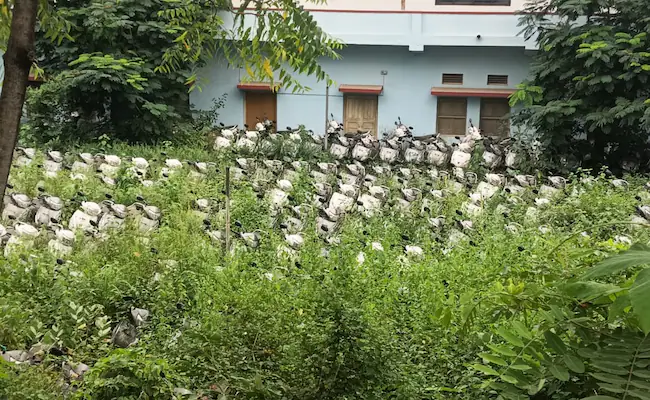
In 2023, Rajasthan found itself under scrutiny when a flagship government program, the Kalibai Bheel Medhavi Chhatra Scooty Yojana, meant to uplift girl students by providing them with scooters, saw 1,500 scooters purchased for ₹80,000 each turning to scrap. These scooters, intended to benefit girls from underprivileged families in pursuing higher education, were left unused for over a year in two colleges in Banswara, southern Rajasthan, due to bureaucratic delays. This unfortunate incident has raised significant concerns about the effectiveness and management of government schemes designed to promote education.
The Kalibai Bheel Medhavi Chhatra Scooty Yojana: A Noble Cause Mismanaged
The Kalibai Bheel Medhavi Chhatra Scooty Yojana was launched by the Rajasthan government in 2020 with the noble intention of helping girls from economically weaker sections, particularly those with an annual family income below ₹2.5 lakh, to continue their higher education without being hindered by transportation issues. The scheme was specifically aimed at meritorious students who excelled academically in their class 12th board exams, making it a reward for academic performance and a motivation for future students.
Each year, the government planned to distribute 10,000 scooters, along with financial support in the form of ₹40,000 for those students who couldn’t benefit from the scooter scheme. The scooters were expected to remove a significant transportation barrier for girls in rural and remote areas, empowering them to attend colleges or universities and further their education.
However, the story took an unfortunate turn when delays in distribution caused the scooters to lie unused. These scooters, instead of empowering students, ended up rusting in storage due to bureaucratic inefficiencies. With the scooters left unused for such an extended period, the money invested by the government, estimated at around ₹12 crore, went to waste, and the very objective of the scheme was defeated.
Promises and Failures in Execution
The failure of the scheme to deliver on its promises highlights the challenges of implementing large-scale government projects, especially those targeting the education sector. In response to the outcry over the unused scooters, a Rajasthan minister recently assured the public that the scooters would be distributed within a week. However, this promise comes after significant damage has already been done, both financially and in terms of public trust.
Such failures are not uncommon in India, where ambitious government schemes often fall short due to a combination of factors such as bureaucratic red tape, poor planning, and lack of accountability. The Kalibai Bheel Scooty Yojana is just one example of how good intentions can go awry when not properly executed.
Similar Cases of Wastage in Government Schemes
The Rajasthan scooter debacle is not an isolated incident. Across India, there have been several examples of government programs faltering due to mismanagement, leading to the wastage of public funds.
- Bihar’s Free Bicycle Scheme: A similar scheme in Bihar, aimed at providing bicycles to students to encourage school attendance, saw widespread misuse and poor-quality bicycles being distributed. Many students reported that their bicycles broke down within a few months, rendering them unusable. Despite the government’s efforts to increase school enrollment through the scheme, the poor quality of the bicycles undermined the program’s effectiveness.
- Free Laptop Scheme in Uttar Pradesh: In 2012, the Uttar Pradesh government launched a scheme to distribute free laptops to students who performed well in their board exams. However, the program soon faced logistical challenges, with delays in distribution, substandard laptops, and reports of laptops malfunctioning soon after being handed out. The initiative, which was supposed to bridge the digital divide and promote education, ended up being a lesson in poor execution and quality control.
- Haryana’s Free Tablet Initiative: In 2022, Haryana introduced a scheme to provide free tablets to students as part of a digital education push. However, the distribution process faced significant delays, and many students complained about the functionality of the tablets. Despite being well-intentioned, the scheme failed to meet its goals due to technical issues and slow implementation.
- Maharashtra’s Free Uniform and Textbook Scheme: In Maharashtra, a scheme that provided free uniforms and textbooks to underprivileged students faced criticism when many students didn’t receive their materials on time. As a result, students were left without proper educational resources at the beginning of the school year, highlighting the need for better logistical planning and execution.
- Delhi’s Mid-Day Meal Program: In the capital, the mid-day meal scheme, meant to provide nutritious meals to students from economically disadvantaged backgrounds, has faced multiple issues, including substandard food quality and hygiene concerns. In several instances, children fell ill after consuming the meals, leading to a public outcry and questioning the efficacy of the program’s monitoring mechanisms.
Lessons to Learn
The failure of these government schemes points to several key issues that need to be addressed to prevent future mishaps:
- Improved Planning and Monitoring: A thorough plan must be in place to ensure that resources are distributed efficiently and on time. Regular monitoring of the implementation process is essential to identify and address any issues promptly.
- Accountability Mechanisms: There should be strict accountability for those in charge of managing these programs. Public officials need to be held responsible for delays, poor-quality products, or misuse of funds.
- Community Involvement: Involving local communities in the distribution process can help ensure that resources reach the intended beneficiaries. Local authorities and community leaders can provide insights into the specific needs of the population and help streamline distribution efforts.
- Transparency: Governments should adopt transparent processes that allow the public to track the progress of such schemes. Transparency can help build trust and ensure that funds are used efficiently.
Conclusion: A Call for Action
The Kalibai Bheel Medhavi Chhatra Scooty Yojana was a well-intentioned initiative designed to promote girls’ education in Rajasthan. However, the mismanagement of the scooter distribution process has highlighted the broader issue of how poorly executed government schemes can lead to the wastage of public funds and resources.
As we have seen from other examples across India, similar initiatives have faced challenges in execution. The key to ensuring the success of such programs lies in better planning, accountability, and monitoring mechanisms. Governments must learn from these failures and take steps to improve the delivery of future schemes to ensure that taxpayer money is used effectively, and the intended beneficiaries receive the support they need.
In Rajasthan’s case, while the government has promised to distribute the remaining scooters, it is crucial to address the systemic issues that led to this delay in the first place. Only through comprehensive reforms can we hope to see such schemes achieve their full potential and truly benefit the people they are designed to help.