


Tupperware, the iconic brand known for revolutionizing food storage with its airtight containers, has filed for bankruptcy after decades of financial decline. Once a symbol of domestic efficiency and innovation, the company struggled to adapt to changing consumer preferences and retail competition.

Founded in 1946 by Earl Tupper, Tupperware became a household name through its pioneering direct-sales model, famously known as “Tupperware parties.” These gatherings helped spread the brand’s popularity, especially in the 1950s and 60s, making it a fixture in millions of kitchens across the globe.
However, as retail landscapes evolved, Tupperware faced challenges in competing with cheaper alternatives and online shopping giants like Amazon. Its direct-sales approach, once an advantage, became outdated in an increasingly digital world. Despite efforts to modernize its business, including launching new product lines and collaborating with retailers, Tupperware struggled to regain its former dominance.
The pandemic further worsened the company’s financial woes, disrupting its sales network and consumer spending. In 2023, Tupperware’s stock dropped significantly, and by mid-2024, the company faced mounting debts and liquidity issues.
In response to its bankruptcy filing, Tupperware announced it would restructure its operations and seek new financing to stay afloat. This restructuring could involve selling assets, cutting jobs, and renegotiating contracts with creditors. The brand has also expressed interest in seeking potential buyers.
Despite its current troubles, Tupperware’s legacy remains significant. It helped popularize the concept of modern food storage and built a lasting cultural presence. Today, collectors still value vintage Tupperware products, and the brand’s impact on home life during the mid-20th century is still fondly remembered.
As Tupperware embarks on its bankruptcy process, the future of the company remains uncertain. Consumers and investors alike are left wondering whether this once-beloved brand can reinvent itself in today’s competitive market or if it will become another casualty of shifting retail dynamics.
Tupperware’s Financial Struggles
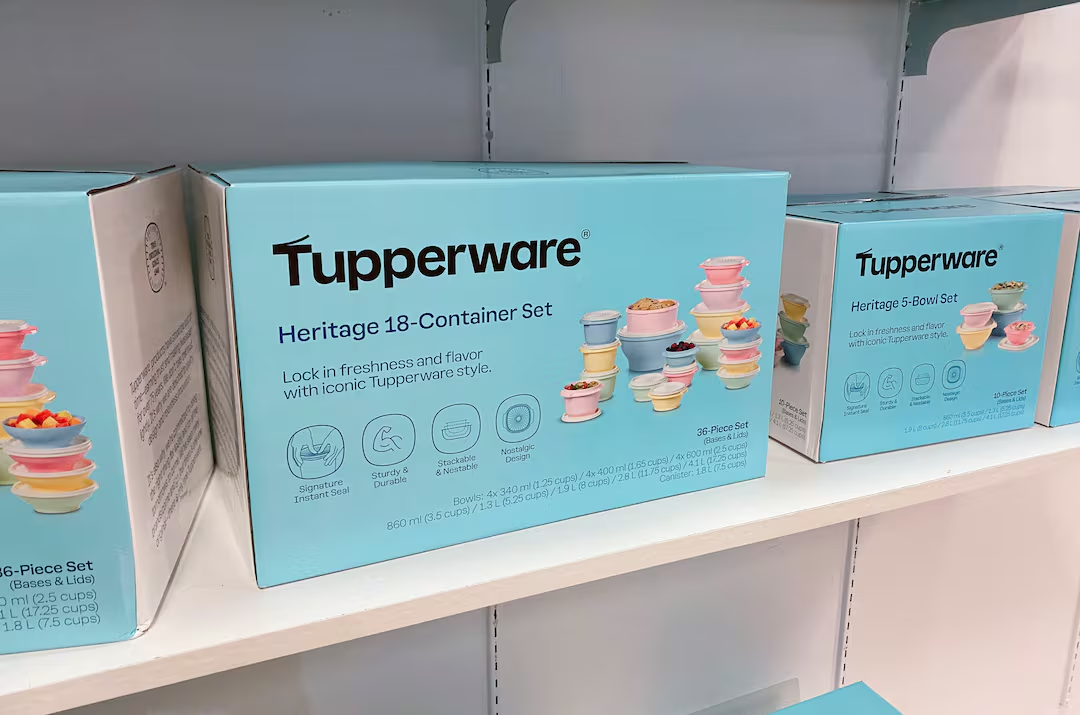
Tupperware’s decline mirrors challenges faced by other legacy brands unable to fully embrace e-commerce or adapt to new consumer habits. In addition to competition from lower-cost alternatives, the company faced difficulties in retaining its sales force and expanding into newer markets. Recent efforts to reposition the brand through collaborations with retailers such as Target were not enough to stave off its financial struggles.
What’s Next for Tupperware?
While Tupperware is seeking to restructure, the future remains uncertain. The company has expressed hopes for financial recovery and securing new investors, but with a crowded market and rapidly evolving consumer preferences, Tupperware may face an uphill battle in its efforts to remain relevant.
As the brand navigates bankruptcy, it serves as a cautionary tale for businesses that fail to innovate in an ever-changing retail landscape.