


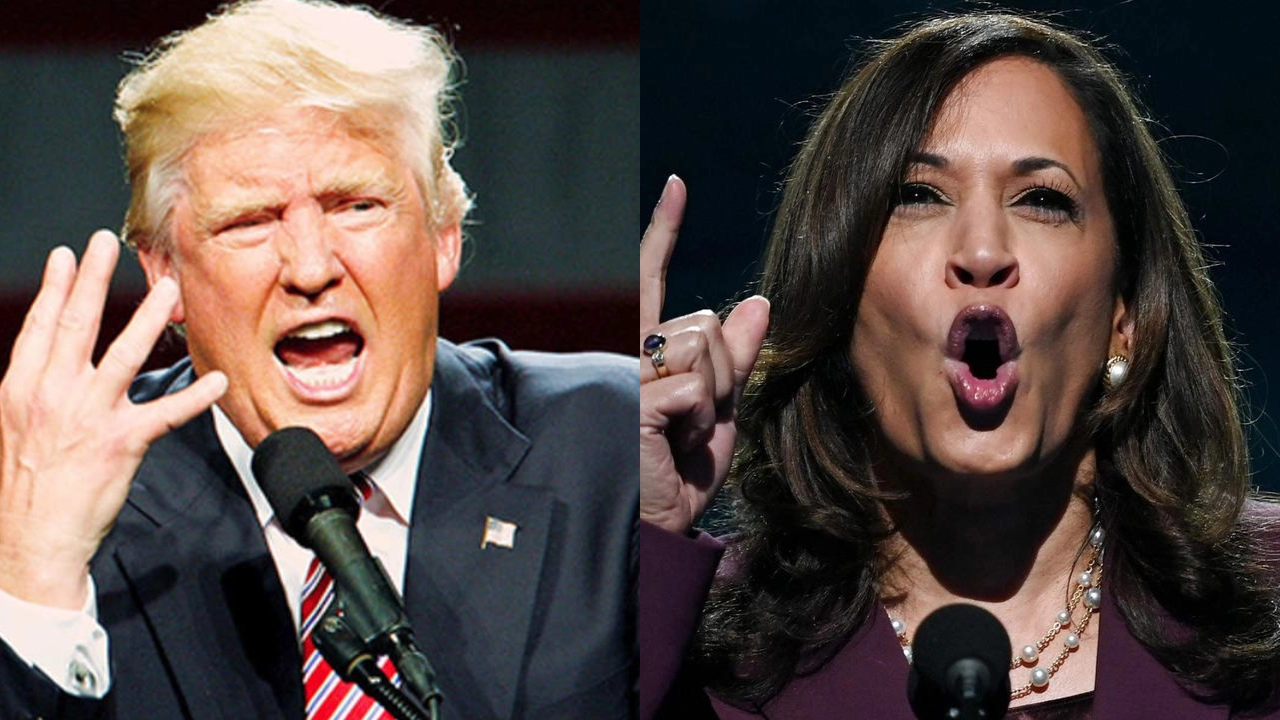
As the first presidential debate between former President Donald Trump and Vice President Kamala Harris approaches, anticipation is building around the event’s structure and rules. Scheduled for September 12, 2024, at the University of Wisconsin-Madison, the debate promises to be a pivotal moment in the 2024 election cycle. Here’s an in-depth look at the debate’s rules, format, and what viewers can expect from this high-stakes confrontation.

Debate Format and Structure
The debate will be moderated by Judy Woodruff, a veteran political journalist known for her incisive questioning and fair moderation. The format will adhere to a traditional structure, designed to provide both candidates with an equal opportunity to present their platforms and address the issues.
1. Opening Statements: Each candidate will have two minutes to deliver an opening statement. This segment allows Trump and Harris to outline their key messages and set the tone for the debate.
2. Moderated Questions: Following the opening statements, Woodruff will pose a series of questions to the candidates. The questions will cover a range of topics, including domestic policy, foreign affairs, and social issues. Each candidate will have two minutes to respond to each question. The format is intended to encourage in-depth responses and allow for clear comparisons between the candidates’ positions.
3. Rebuttals: After each candidate has answered a question, the other candidate will have one minute to offer a rebuttal. This segment is crucial for addressing any points of contention or inaccuracies in the initial responses.
4. Closing Statements: The debate will conclude with each candidate delivering a closing statement. They will have two minutes to summarize their positions and make a final appeal to voters.
5. Audience Questions: In addition to the moderated questions, there will be a segment where a small number of pre-selected audience members will pose questions to the candidates. This segment is designed to address voter concerns and add a personal dimension to the debate.
Rules and Guidelines
1. Time Limits: Adherence to time limits is a key rule in the debate. Each candidate’s responses will be timed to ensure that both have equal opportunities to address the questions. The moderator will enforce the time limits strictly, with penalties for exceeding them.
2. No Interruptions: To maintain order and ensure that each candidate has a fair opportunity to speak, interruptions will be minimized. Candidates are expected to respect the speaking time of their opponent and address their responses without undue interruptions.
3. Fact-Checking: Real-time fact-checking will be a significant aspect of the debate. The candidates’ statements will be verified by independent fact-checkers, with discrepancies or inaccuracies highlighted during and after the debate.
4. Moderator Control: Judy Woodruff will have control over the debate, including managing the flow of discussion, enforcing time limits, and intervening if necessary to maintain order. The moderator’s role is to ensure a fair and balanced debate, guiding the conversation and addressing any issues that arise.
5. No Audience Reactions: To prevent disruptions, audience reactions such as applause or vocal responses will be discouraged during the debate. This rule aims to keep the focus on the candidates and the issues at hand, rather than on the audience’s reactions.
6. Technical Guidelines: The debate will be broadcast live, with technical guidelines ensuring high-quality audio and visual presentation. Any technical issues will be addressed promptly to avoid disruptions.
What to Watch For
1. Candidate Performance: The debate will be a critical opportunity for Trump and Harris to showcase their policies, address key issues, and respond to each other’s critiques. Observers will be looking for clarity in their answers, effectiveness in their arguments, and their ability to connect with voters.
2. Key Issues: Expect the debate to cover significant topics such as the economy, healthcare, foreign policy, and social justice. How each candidate handles these issues and differentiates their positions will be closely scrutinized.
3. Debate Dynamics: The interaction between Trump and Harris will be a focal point. Watch for how they manage direct confrontations, handle rebuttals, and navigate the debate’s structure.
4. Voter Reactions: The immediate reactions from voters and media will provide insight into how the debate impacts public opinion. Look for post-debate analyses and opinion polls to gauge the debate’s influence on the election.
Conclusion
The first presidential debate between Donald Trump and Kamala Harris is poised to be a defining moment in the 2024 election campaign. With a clear set of rules and a structured format, the debate will offer voters a comprehensive view of each candidate’s policies and perspectives. As the debate approaches, all eyes will be on how Trump and Harris handle the intense scrutiny and high stakes of this pivotal event.
















Comments 2