


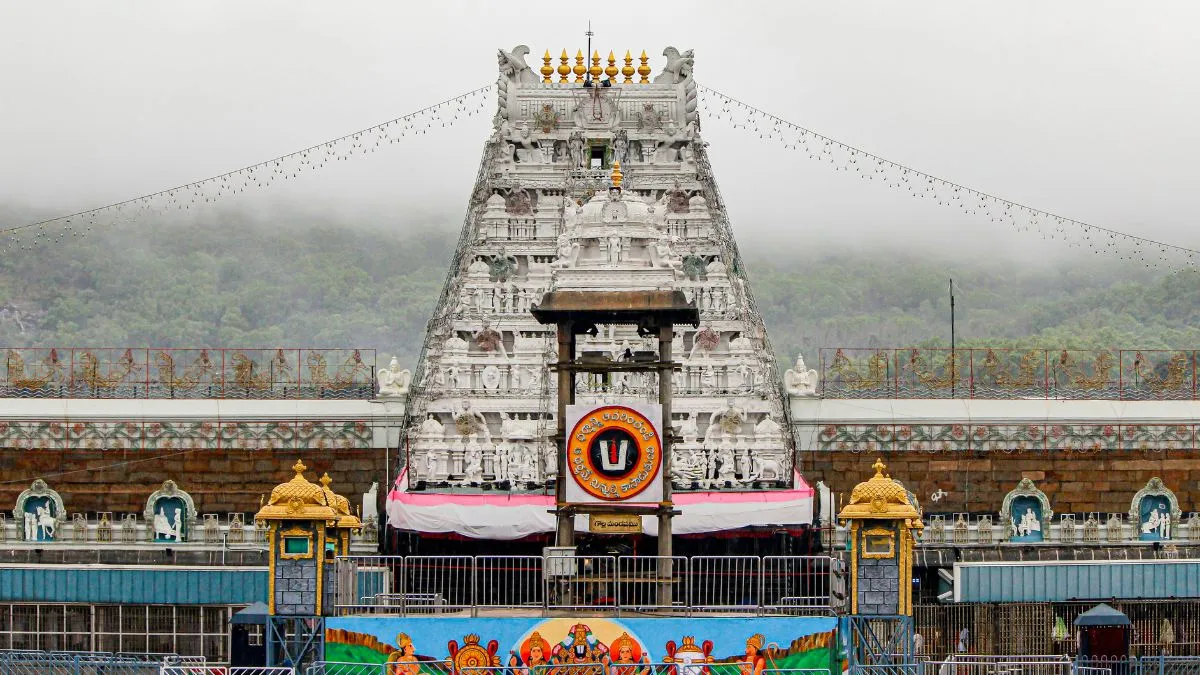
The Tirupati Temple, revered as one of Hinduism’s holiest sites, has recently faced controversy over allegations concerning the use of animal fat in the ghee used for its famed laddoos. In response to the uproar, an army of priests conducted a ‘Maha Shani Homam’ at the temple, aimed at purifying the sanctity of the offerings. This article explores the controversy, the significance of the rituals performed, and the implications for the temple’s devotees.

The Tirupati Temple Controversy: Animal Fat Allegations
The controversy erupted when claims surfaced that animal fat was being used in the ghee for the laddoos, which are not only a culinary delight but also a sacred offering at the temple. Devotees expressed their outrage, as the use of animal products in religious offerings is considered unacceptable by many in the Hindu faith. The allegations quickly gained traction on social media, prompting protests and demands for accountability from the temple authorities.
The laddoos served at the Tirupati Temple are integral to the devotional experience for millions who visit annually. The prospect of compromised purity in these offerings struck a chord, leading to a widespread call for clarity from the temple management.
The Temple’s Assurance and Rituals
In light of the uproar, the temple management was quick to assure the public that the ghee used is derived from pure cow’s milk. To further emphasize their commitment to maintaining the sanctity of their offerings, an army of priests conducted a ‘Maha Shani Homam,’ a grand fire ritual believed to purify the surroundings and the offerings made to the deities.
This homam, dedicated to Lord Shani, is intended to remove negativity and restore spiritual balance. The priests chanted sacred mantras, performed offerings into the holy fire, and invoked blessings to cleanse the temple of any impurities, thereby reaffirming the purity of the prasadam.
Religious Significance of Laddoos
Laddoos hold immense spiritual significance at the Tirupati Temple. They are considered prasadam, symbolizing divine blessings bestowed upon devotees. Made from a special recipe that has been cherished over generations, these laddoos represent not just a treat but a deep connection between the devotees and the divine.
The sanctity of these offerings is paramount for those who seek blessings at the temple. The recent allegations threatened this connection, making it crucial for the temple management to act swiftly and decisively to reassure its devotees.
Public Reaction and Community Engagement
The temple’s proactive approach in conducting the ‘Maha Shani Homam’ and communicating transparently about the ingredients has been well-received by many devotees. The ritual serves as a powerful reminder of the temple’s commitment to upholding its religious and culinary integrity.
Devotees have expressed their relief at the temple’s swift action, with many taking to social media to voice their support. The involvement of priests in such rituals also reinforces the communal aspect of worship, as it brings together a large number of devotees in a collective effort to restore faith.
Broader Implications for Culinary Practices in Religious Institutions
This incident has sparked a larger conversation about culinary practices within religious institutions across India. As temples serve millions of devotees, the ingredients used in offerings must align with the dietary practices of their followers. The controversy at Tirupati highlights the need for transparency and adherence to vegetarian principles, particularly in establishments that cater to a diverse range of beliefs.
Experts in food safety and religious practices are advocating for clearer guidelines to ensure that food preparation in religious settings meets the expectations of devotees. Such measures can help maintain trust and integrity, preserving the sanctity of religious offerings.
Tourism and Devotee Experience
The Tirupati Temple is one of the most visited pilgrimage sites globally, attracting millions of devotees each year. Maintaining the integrity of its offerings is essential for ensuring a positive experience for pilgrims. The recent controversy, if not addressed, could have far-reaching consequences for temple tourism.
The temple management’s prompt actions have likely mitigated potential damage to its reputation. By reassuring devotees of the purity of the laddoos and actively engaging in rituals like the ‘Maha Shani Homam,’ the temple aims to strengthen its position as a symbol of faith and purity.
Conclusion
The Tirupati Temple’s swift response to the controversy surrounding animal fat in ghee used for laddoos is commendable. The conducted ‘Maha Shani Homam’ not only served as a purification ritual but also reinforced the temple’s commitment to its devotees. As the temple moves forward, maintaining transparency in its culinary practices will be crucial in preserving the trust and faith of millions who seek blessings.
In a country where food and spirituality are deeply intertwined, it is essential for religious institutions to uphold the values and beliefs of their communities. The resolution of this controversy will serve as a testament to the temple’s dedication to purity and devotion, ensuring that the sacred laddoos continue to be a source of divine blessings for generations to come.



















Comments 3