


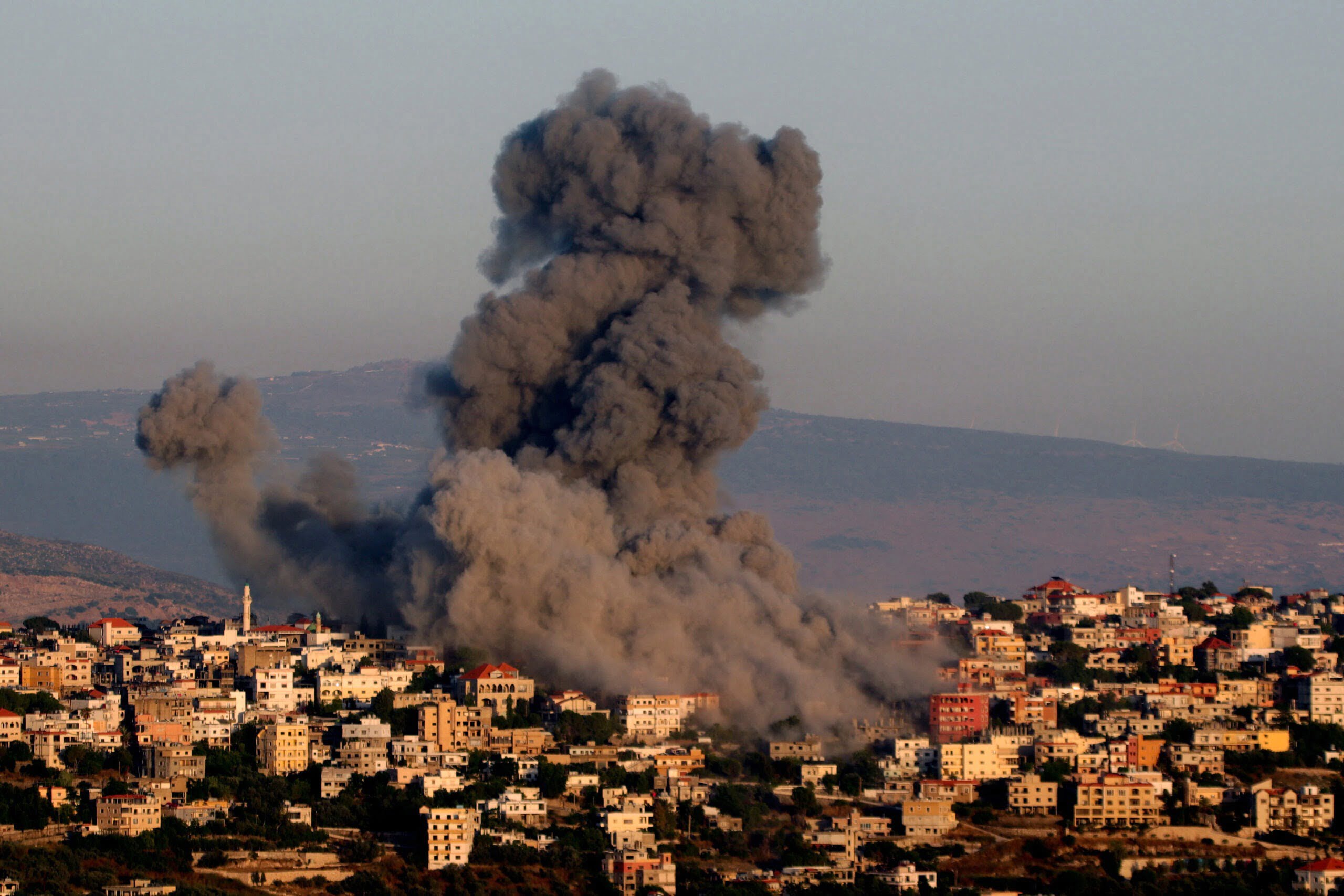
In a fresh escalation of the Israel-Hezbollah conflict, Israeli forces bombed Hezbollah targets in southern Lebanon on September 20, 2024. This action followed a vow of retaliation from Hezbollah after deadly attacks on its operatives. The Israeli Air Force conducted a series of strikes aimed at neutralizing rocket launchers and other military installations in response to a growing threat from Hezbollah.

Hezbollah’s aggressive stance, combined with Israel’s preemptive strikes, has further intensified tensions in the region, raising concerns over a broader conflict. Hezbollah had warned of serious retaliation after explosions hit its operatives earlier, believed to be part of Israel’s ongoing campaign to undermine the group’s military capabilities.
The strikes targeted critical infrastructure, including weapons depots and launchers, primarily in the Bekaa Valley and southern Lebanon, key Hezbollah strongholds. The IDF (Israeli Defense Forces) claimed the airstrikes were necessary to eliminate an imminent threat, with Hezbollah preparing to launch rockets into northern Israel. Despite these measures, Hezbollah remains steadfast in its threats, indicating that it will continue its operations until the Gaza conflict is resolved.
This tit-for-tat exchange is part of a larger conflict involving Israel, Hezbollah, and their allies, with Iran playing a significant role in backing Hezbollah. The escalation has prompted international calls for de-escalation, especially from the United Nations, as the risk of a wider regional war looms.
The Israeli strikes have caused significant damage in Lebanon, with multiple casualties reported. Hezbollah has vowed further retaliation, while Israel continues to prepare for more rocket attacks. The situation remains volatile, with potential repercussions for regional stability. Both sides are engaged in intense military operations, sparking fears that the conflict could spiral out of control.
















Comments 9