


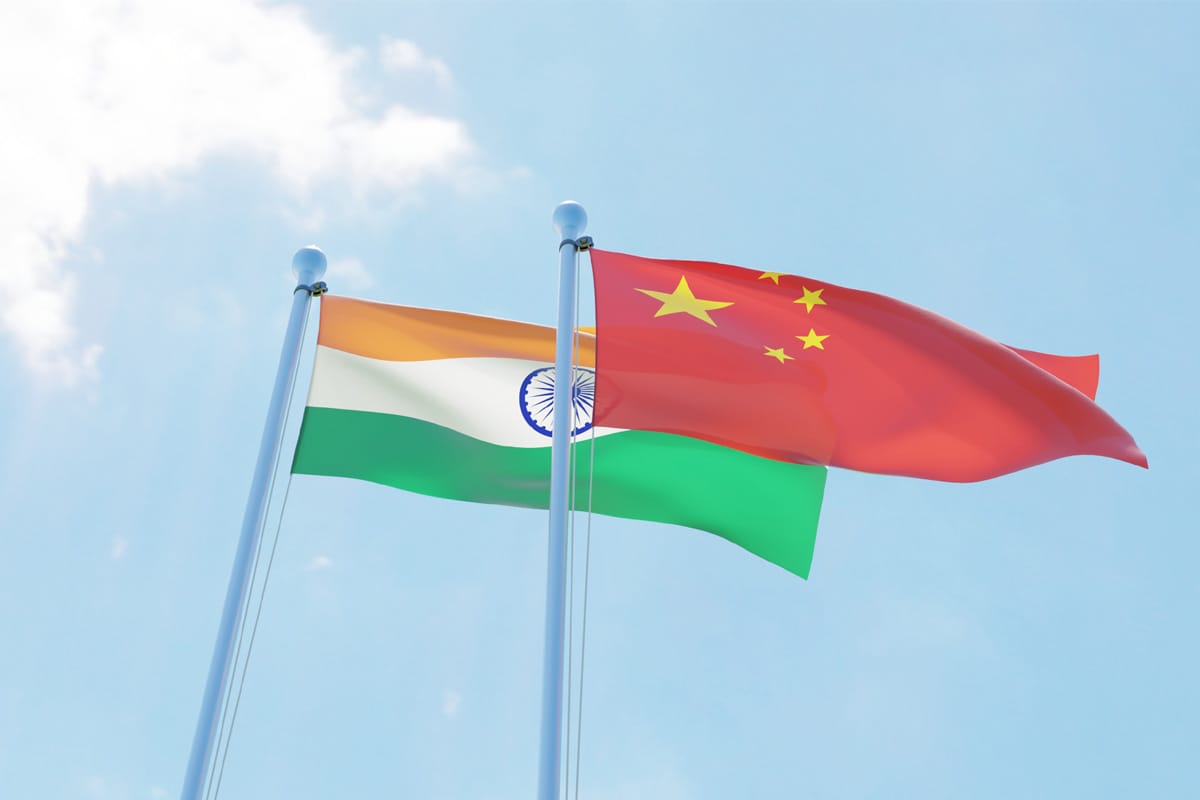
India and China reach breakthrough deal to de-escalate tensions, restoring peace at key border zones.
India and China have recently reached a pivotal agreement to ease border tensions along the Line of Actual Control (LAC), marking a significant step towards de-escalation following prolonged military stand-offs in eastern Ladakh. This agreement, hailed as a “major diplomatic success,” was the result of multiple rounds of negotiations and military talks, primarily aimed at disengaging forces at critical flashpoints, including the Depsang Plains and Demchok regions.
The backdrop of this tension dates back to the 2020 Galwan Valley clash, which led to heightened hostilities and a deadlock along several points of the LAC. The 2020 incident saw the first fatal conflict between Indian and Chinese forces in over four decades, significantly straining diplomatic relations and military postures on both sides. Both countries bolstered their military presence in these regions, leading to periodic skirmishes and a drawn-out standoff.

This recent accord, which comes after disengagement agreements in areas such as Pangong Tso, Gogra, and Hot Springs, paves the way for a more stabilized border situation. Chinese troops will withdraw from key areas where they had previously restricted Indian patrols, particularly at sensitive points like the “Y Junction” in the Depsang Plains. This will allow Indian forces to resume regular patrolling duties, restoring the pre-2020 status quo in these zones.
The agreement signals renewed hope for improved diplomatic ties between the two nuclear-armed neighbors. India’s External Affairs Minister S. Jaishankar commended the success of these patient diplomatic efforts, which began during talks in Moscow in 2020. He stressed that the deal not only de-escalates the immediate tensions but also provides an opportunity for India to advance its infrastructure projects in border areas without the looming threat of conflict. Both sides have agreed to continue military and diplomatic engagements to ensure that tensions do not flare up again, as they have in the past.
This development holds significant implications for regional stability. For India, the resumption of patrols and de-escalation at strategic areas along the LAC is vital for maintaining sovereignty and security in border areas. From China’s perspective, disengaging from contested zones offers a chance to refocus on economic and diplomatic engagements with India without being bogged down by military confrontations.
While the agreement is a breakthrough, experts caution that the India-China border dispute is deeply rooted in historical grievances, and tensions could resurface if future negotiations falter. The countries will need to continue their efforts through military dialogues and high-level diplomatic channels to ensure that the disengagement holds and broader trust-building measures are enacted.
In conclusion, the recent India-China agreement to ease border tensions represents a crucial step toward peace along the LAC. It is a diplomatic success that could redefine bilateral relations, reducing the immediate risk of conflict while opening avenues for further negotiations. However, both nations must continue working together to resolve long-standing issues to ensure lasting stability in the region




















Comments 1