


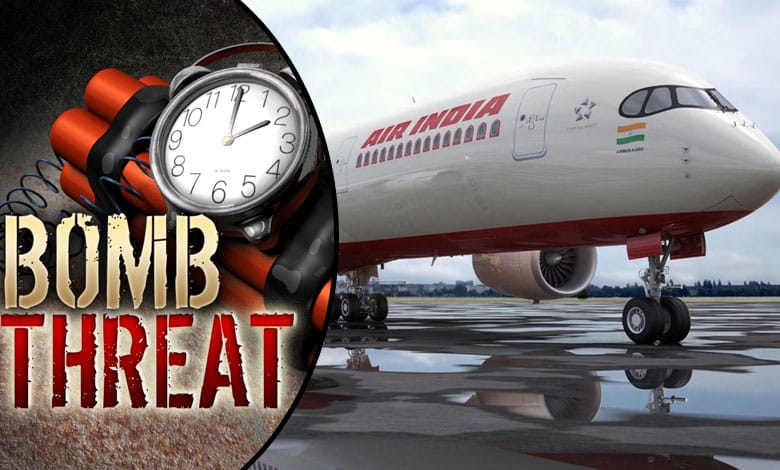
Mumbai’s international flight operations were significantly impacted , when three outbound flights received fake bomb threats. Two IndiGo flights and one Air India flight faced bomb scare hoaxes that led to an immediate halt in their journeys, affecting hundreds of passengers.

Sequence of Events
- Fake Security Threats: The incidents began when authorities received anonymous threats about possible explosives on three outbound flights from Mumbai’s Chhatrapati Shivaji Maharaj International Airport. This triggered panic, resulting in comprehensive security checks for all three planes.
- IndiGo Airlines: Two IndiGo international flights were caught up in the scare. One of these was quickly cleared for takeoff after thorough inspections. The other, however, remained grounded for a prolonged investigation by the airport security teams.
- Air India Involvement: One Air India flight was also involved in the threat. Like the second IndiGo flight, it had not been cleared immediately and was subjected to detailed scrutiny to rule out any potential danger.
Response by Authorities
Authorities acted swiftly upon receiving the bomb threats. The flights were immediately halted, and security protocols were activated. All passengers on the affected flights were evacuated while bomb disposal squads and canine units carried out intensive checks on the planes, their cargo, and baggage compartments.
Passengers were relocated to safe areas of the airport during the inspection. Despite the overwhelming fear that such incidents usually induce, no actual threat was found on any of the flights.
Passenger Disruption and Delays
The grounding of these international flights resulted in severe disruptions. Passengers faced several hours of delays, affecting their travel schedules and creating chaos at the airport. IndiGo issued a public statement, apologizing for the inconvenience caused and ensuring that all necessary precautions were being taken for passenger safety.
While one IndiGo flight was given clearance after a few hours of inspection, the other two flights, including the Air India aircraft, were still under investigation by the time the news broke.
Impact on Flight Operations
The false security alarms resulted in more than just inconvenience for passengers; it disrupted Mumbai’s international flight operations on a larger scale. The airport, one of India’s busiest, was forced to put outbound international flights on hold while the bomb threat was being addressed.
This ripple effect led to numerous delays in subsequent flight schedules, affecting not only those on the three targeted flights but also other passengers waiting for international departures.
Legal and Security Measures
Following these hoaxes, airport authorities and law enforcement agencies intensified their investigations into the source of the threats. Fake bomb threats are taken extremely seriously due to their potential to cause widespread panic and disruption, and they are punishable by law. The hoaxers, once identified, are likely to face severe penalties under Indian law, including imprisonment and heavy fines.
Security measures at Mumbai Airport have been heightened in the aftermath, with stricter screening protocols and additional surveillance to prevent further such incidents.
The Ministry of Civil Aviation has assured the public that there is no cause for alarm and that Indian airports maintain the highest level of security. The incidents serve as a reminder of the vulnerability of aviation systems to such threats and the need for constant vigilance.
Rising Concerns about Aviation Security
These events have reignited concerns about security in India’s aviation sector, particularly in the face of increasing threats, both real and fake. False alarms like these place immense pressure on security personnel, diverting their focus from genuine risks and wasting valuable resources.
In recent years, there have been several cases of bomb hoaxes targeting airports and flights across India. Authorities are exploring ways to improve intelligence and response mechanisms to handle such incidents more efficiently and minimize their impact on operations.
Conclusion
The fake bomb threats on three international flights from Mumbai sent shockwaves through India’s aviation industry. Though no actual explosives were found, the security protocols initiated in response to the hoaxes led to significant delays and panic among passengers. The incidents serve as a stark reminder of the importance of stringent security measures in air travel and the consequences of such threats, both real and fake.
Authorities continue to investigate the source of the threats, while airlines and airports are working together to ensure that future incidents of this nature are dealt with swiftly and effectively, with minimal disruption to passengers.