


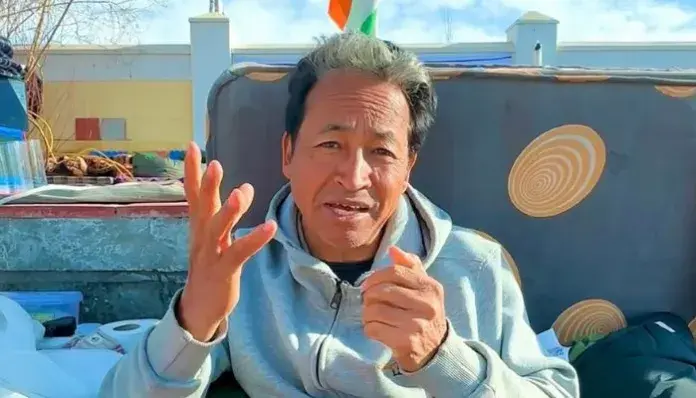
Climate activist Sonam Wangchuk, along with around 120 supporters, was detained by Delhi Police on the night of September 30, 2024, as they attempted to march peacefully to the national capital. The march, titled Delhi Chalo, was organized by civil society groups including the Leh Apex Body (LAB) and Kargil Democratic Alliance (KDA). These organizations have been campaigning for the statehood of Ladakh, the inclusion of the region under the Sixth Schedule of the Indian Constitution, and various other demands, such as job reservations for locals and separate parliamentary seats for Leh and Kargil.

The protestors, including elderly citizens, army veterans, and others from Ladakh, embarked on the march from Leh on September 1 and intended to culminate their protest at Rajghat, the memorial of Mahatma Gandhi, on October 2, Gandhi Jayanti. The Delhi Police cited prohibitory orders and imposed restrictions under Section 144 of the Criminal Procedure Code, banning the assembly of five or more people in the northern and central parts of the city. As the marchers neared Delhi’s Singhu border, police officers, numbering in the hundreds, detained them to prevent further movement.
Sonam Wangchuk expressed his dismay over the detentions via social media, stating that their peaceful march to Bapu’s Samadhi in the “largest democracy” was met with force. He posted videos showing a large deployment of police and claimed that the marchers were initially under the impression they were being escorted, only to realize they were being detained as they approached Delhi. Wangchuk emphasized the peaceful nature of the protest and the involvement of senior citizens, some in their 80s, and army veterans, highlighting their commitment to Ladakh’s future.
The primary demands of the protest revolve around protecting Ladakh’s cultural identity, fragile ecology, and securing constitutional safeguards under the Sixth Schedule. More than 97% of Ladakh’s population belongs to Scheduled Tribes, and residents fear that without statehood or constitutional protections, the region could be vulnerable to exploitation. This concern has been magnified since August 2019, when the special status of Jammu & Kashmir was revoked, and Ladakh was designated as a Union Territory without legislative powers. Wangchuk had previously staged a 21-day hunger strike earlier in 2024, ahead of the Lok Sabha elections, to draw attention to these issues, but the government has yet to address the demands comprehensively.
The detention of the marchers has drawn widespread criticism. Rahul Gandhi, leader of the Congress party, condemned the action, calling it “unacceptable.” He compared it to the treatment of protesting farmers who camped at Delhi’s borders for over a year until the controversial farm laws were repealed in November 2021. Gandhi argued that the government’s continued disregard for peaceful protests would only strengthen the movement, urging the Modi government to listen to Ladakh’s concerns.
The protest also draws attention to the broader concerns of local governance, autonomy, and environmental sustainability in Himalayan regions. Ladakh’s residents fear that the lack of representation and legislative authority could result in unchecked development that threatens both the ecological balance of the region and the livelihoods of its indigenous people. Given Ladakh’s strategic importance, as well as its unique cultural and ecological landscape, the demands for statehood and constitutional safeguards have become increasingly urgent.
Despite the detentions, the marchers remain determined to continue their struggle for Ladakh’s rights. While women participating in the march were not detained, the future of the protestors remains uncertain. The Delhi Police indicated that those detained would be released after some time, though the imposition of prohibitory orders until October 5 suggests that further gatherings or protests may face similar obstacles.
This incident highlights the ongoing tensions between regional activists seeking to protect their land and culture and the central government, which has been criticized for not addressing the specific needs and demands of Ladakh’s people. As the situation continues to unfold, the plight of the Ladakhis and their calls for justice are likely to gain further attention on both national and international platforms.
















Comments 1