


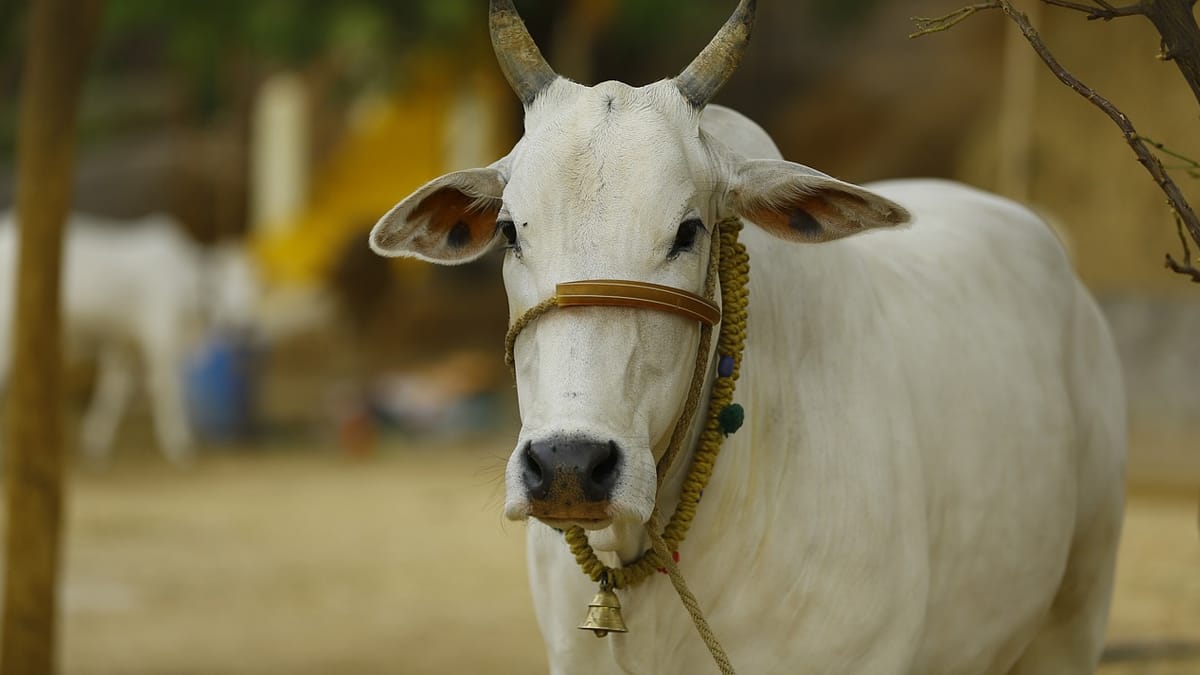
The Maharashtra government has recently declared the indigenous cow, also known as desi cow, as “Rajyamata-Gomata,” emphasizing its historical, cultural, and spiritual significance as outlined in the Vedic texts. This announcement, made on September 30, 2024, was presented by Chief Minister Eknath Shinde’s administration and backed by the state’s Agriculture, Dairy Development, Animal Husbandry, and Fisheries Departments.

The rationale behind this decision is multifaceted. The government highlighted the pivotal role that cows have played in Indian culture since ancient times. According to Vedic literature, cows have been revered as sacred animals, symbolizing nourishment, fertility, and spiritual purity. In this regard, the government’s decision ties back to ancient Hindu practices where cows were integral to daily life, contributing to food, health, and even agriculture through products like milk, ghee, and cow dung, which are used in organic farming and Ayurvedic treatments like Panchgavya therapy.
One of the core motivations for this declaration is the declining population of indigenous cow breeds across India. The government aims to encourage farmers and livestock owners to focus on rearing indigenous breeds, which are seen as vital to sustainable farming practices and rural economies. Indigenous cows are not only valued for their higher quality A2 milk but also for their contribution to environmental sustainability through the use of cow dung in organic agriculture. Moreover, these breeds are considered resilient and well-adapted to India’s climatic conditions, making them ideal for rural farmers.
The announcement also comes at a politically significant time, as Maharashtra gears up for upcoming state assembly elections. The government’s declaration could be viewed as an appeal to conservative and rural voters who hold cows in high regard. By conferring the title of Rajyamata-Gomata, the government taps into the deeply rooted cultural and religious sentiments associated with cow protection in India.
Additionally, the government outlined several initiatives aimed at promoting the welfare of indigenous cows. These include financial incentives for farmers to rear indigenous cows, supporting traditional farming methods that involve cow-based organic fertilizers, and promoting the use of cow-based products in Ayurveda and health treatments.
The decision also aligns with growing efforts to promote organic farming in India, which has been gaining traction in recent years as concerns over chemical fertilizers and pesticides rise. Indigenous cow dung and urine are key components in producing natural fertilizers, helping restore soil health and promoting sustainable agriculture.
Critics, however, have pointed out that while the symbolic value of this declaration is clear, it must be accompanied by tangible policies that support farmers. Merely encouraging cow rearing without adequate subsidies or infrastructure could place additional burdens on rural communities already grappling with economic challenges.
In conclusion, the Maharashtra government’s move to declare the indigenous cow as Rajyamata-Gomata is a blend of cultural reverence and practical policy aimed at promoting sustainable agriculture and rural livelihoods. Whether this declaration will have a lasting impact on indigenous cow protection and rural development remains to be seen, but it certainly underscores the enduring cultural significance of cows in Indian society.
The announcement further cements the cow’s role not just as a spiritual symbol but also as an important player in agriculture and rural economies, making it a key part of both Maharashtra’s cultural identity and its development agenda(Mid-day).