


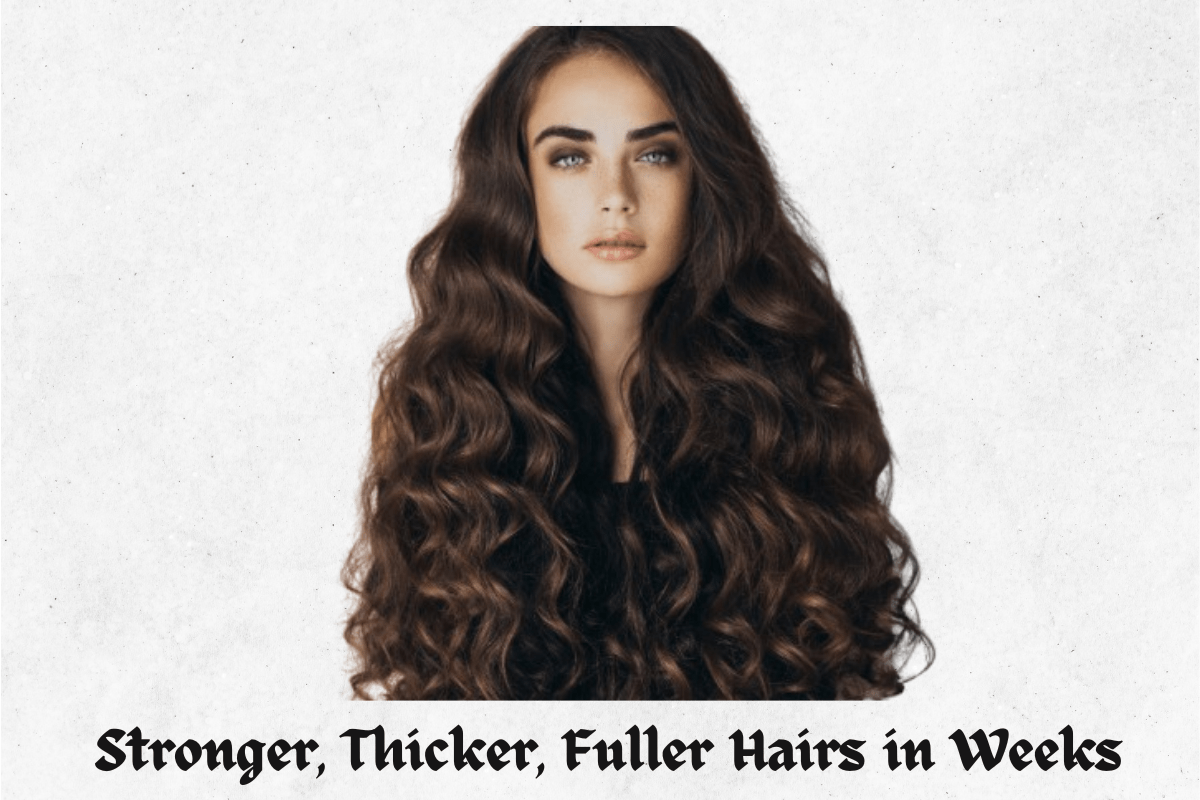
Lustrous, thick, and strong hair is something most people desire, but achieving it can often feel like a challenge. With various factors affecting hair health—ranging from genetics to environmental influences—it can be hard to know where to start. Fortunately, there are several science-backed strategies that can help strengthen hair, promote thickness, and make it look fuller. In this article, we’ll dive deep into essential tips, the role of nutrition, hair care routines, and other key factors that guarantee better hair health.

1. Understanding Hair Growth and Structure
Before exploring solutions, it’s important to understand how hair grows and what affects its thickness. Hair grows in cycles, involving three main stages:
- Anagen phase (growth phase): This is the active growth stage that can last several years.
- Catagen phase (transitional phase): A short phase where the hair follicle shrinks.
- Telogen phase (resting phase): The hair rests before it falls out, making way for new hair growth.
On average, hair grows about half an inch a month, and its health can be influenced by a variety of internal and external factors, including nutrition, genetics, and environmental damage.
2. Nutritional Support for Stronger, Thicker Hair
Your diet plays a critical role in hair health. Nutrient deficiencies can lead to weak, thinning hair, so it’s essential to include key vitamins and minerals in your diet:
Protein
Hair is made up of a protein called keratin, so getting enough protein is crucial for hair structure and strength. Foods rich in protein include:
- Lean meats like chicken, turkey, and beef
- Plant-based sources like legumes, quinoa, and tofu
- Fish and eggs
Biotin
Biotin (Vitamin B7) is known to support hair health and strength. Studies suggest that biotin deficiency can lead to thinning and brittle hair. Biotin-rich foods include:
- https://froods.co.in/Nuts (almonds, walnuts)
- Whole grains
- Eggs
- Bananas
Omega-3 Fatty Acids
Omega-3 fatty acids help nourish the hair, support scalp health, and promote hair growth. You can find them in:
- Fatty fish like salmon, mackerel, and sardines
- Chia seeds and flaxseeds
- Walnuts
Iron
Low iron levels are linked to hair loss, especially in women. Iron helps carry oxygen to the hair follicles, encouraging growth. Iron-rich foods include:
- Spinach
- Red meat
- Lentils
- Pumpkin seeds
Vitamin D
Studies show that Vitamin D helps create new hair follicles and can improve hair density. You can get Vitamin D from:
- Sunlight exposure
- Fortified dairy products
- Fatty fish like salmon and tuna
Zinc
Zinc contributes to repairing hair tissue and helps the oil glands around the hair follicles work properly. Foods rich in zinc include:
- Oysters
- Beef
- Pumpkin seeds
3. Essential Hair Care Practices
While nutrition builds the foundation for healthier hair, your hair care routine can either enhance or weaken your strands. Follow these key tips for thicker, stronger, and fuller hair:
Avoid Overwashing
Washing your hair too often can strip away the natural oils that protect your scalp and strands. For most people, washing hair two to three times per week is sufficient. Adjust this based on your hair type—those with oily hair may wash more frequently, while those with dry or curly hair may wash less often.
Use a Sulfate-Free Shampoo
Sulfates, found in many shampoos, can strip the hair of its natural oils, leading to dryness and damage. Opt for sulfate-free shampoos that gently cleanse while maintaining the hair’s natural moisture balance.
Incorporate a Hair Mask or Conditioner
Using a nourishing conditioner or a deep conditioning hair mask once or twice a week can provide hydration and improve elasticity, preventing breakage. Look for masks containing ingredients like argan oil, coconut oil, or keratin for extra moisture and strength.
Limit Heat Styling
Excessive use of heat tools like blow dryers, curling irons, and straighteners can weaken your hair and cause it to become brittle. If you use these tools regularly, apply a heat protectant spray before styling and aim to use them on a lower heat setting.
Regular Trims
Getting regular haircuts (every 6-8 weeks) helps to eliminate split ends, which can travel up the hair shaft and cause further damage. While trimming doesn’t directly affect hair growth, it ensures that your hair looks healthy and thicker.
4. Supplements for Hair Health
While a balanced diet should provide all the nutrients you need for healthy hair, supplements can help if you’re dealing with specific deficiencies or need a boost. Consider the following:
- Biotin supplements: These are widely available and can help improve hair thickness and strength.
- Collagen supplements: Collagen supports the hair follicle and can promote healthier, stronger hair.
- Hair-specific multivitamins: Look for multivitamins containing vitamins A, C, E, and B, as well as iron, zinc, and folic acid.
5. Minimizing Stress and Its Impact on Hair
Stress is a significant factor that can contribute to hair thinning and hair loss. When you’re under chronic stress, your body can enter a state known as telogen effluvium, where hair follicles prematurely enter the resting phase, leading to shedding. Here are some ways to manage stress for better hair health:
- Exercise regularly: Physical activity can reduce stress and promote better blood flow to your scalp.
- Practice mindfulness or meditation: Both practices can help you manage stress and improve overall well-being.
- Get enough sleep: Quality sleep is essential for cellular repair, including the cells responsible for hair growth.
6. Hair Growth Treatments and Products
Several treatments and products are specifically formulated to promote hair growth and thickness:
- Minoxidil: This over-the-counter treatment is FDA-approved for promoting hair growth in people experiencing hair thinning or baldness.
- Hair growth serums: Some serums contain ingredients like peptides and caffeine that stimulate the scalp and encourage hair growth.
- Essential oils: Natural oils like rosemary oil and peppermint oil have been found to improve hair growth when massaged into the scalp.
7. Conclusion: A Holistic Approach for Guaranteed Results
Achieving stronger, thicker, and fuller hair requires a multi-faceted approach. Focusing on a balanced diet rich in hair-nourishing nutrients, establishing a proper hair care routine, managing stress, and incorporating the right treatments can lead to noticeable improvements. By paying attention to both the internal and external factors that influence hair health, you can achieve long-lasting, healthy, and vibrant hair.
With patience and consistency, your journey to stronger and thicker hair is within reach!