


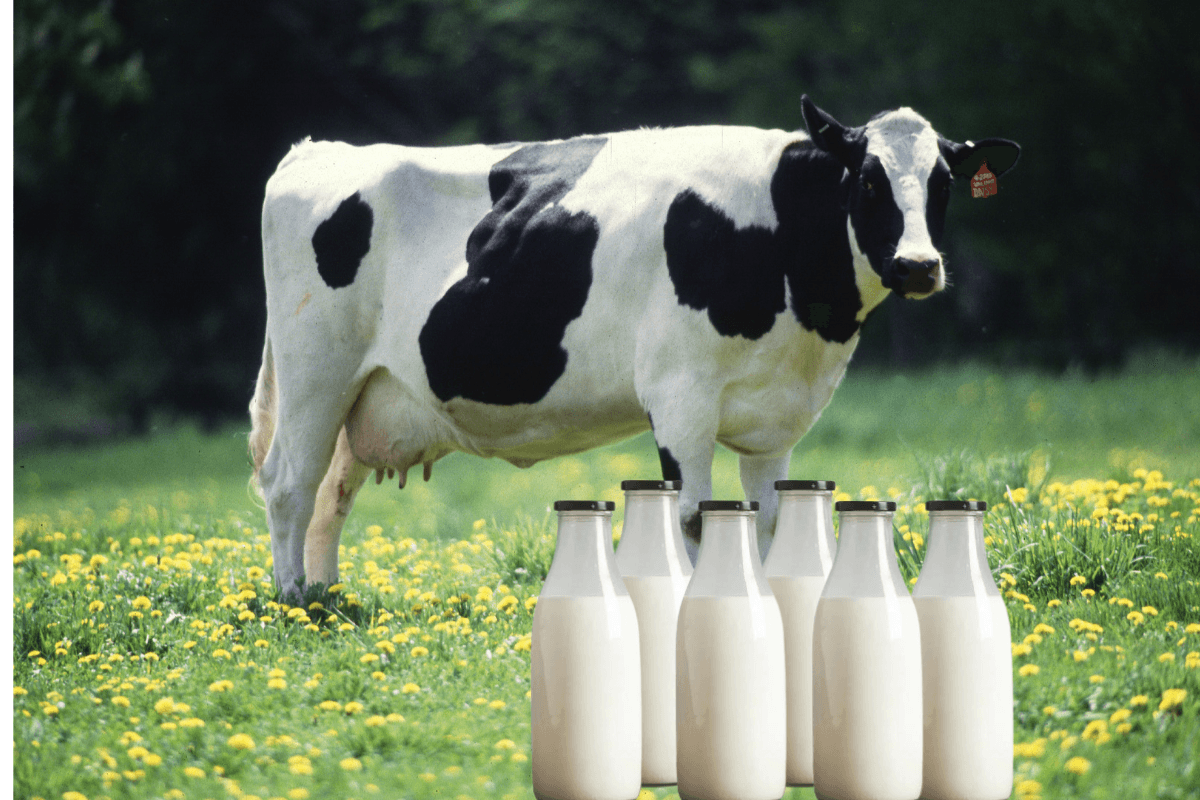
Cow milk has long been a staple in diets across the globe, especially in India, where dairy consumption is central to daily nutrition. Packed with essential nutrients, cow milk offers a wide array of health benefits for people of all ages. However, while cow milk can be highly beneficial, there are some factors to consider when purchasing it, along with certain disadvantages that need attention.

In this detailed article, we will explore the top 10 health benefits of consuming cow milk, tips on what to look out for while buying cow milk, and some potential disadvantages associated with its consumption.
10 Health Benefits of Consuming Cow Milk
1. Rich Source of Calcium: Stronger Bones and Teeth
Cow milk is an excellent source of calcium, which is crucial for the development and maintenance of strong bones and teeth. Regular consumption helps prevent bone-related conditions such as osteoporosis, making it a popular choice for growing children and older adults. Calcium also supports proper muscle contraction, nerve function, and blood clotting.
2. High in Protein: Muscle Growth and Repair
Cow milk is rich in high-quality proteins, including casein and whey, which are essential for muscle growth and repair. The presence of all nine essential amino acids makes cow milk a complete protein source, aiding in the maintenance of lean muscle mass, especially for athletes and those involved in physical activities.
3. Boosts Immunity: Packed with Vitamins A and D
Cow milk contains significant amounts of vitamins A and D, both of which play an important role in boosting the immune system. Vitamin D helps in calcium absorption and contributes to stronger immunity, while vitamin A supports healthy vision and the body’s defense against infections.
4. Improves Heart Health: Balanced Fat Content
While cow milk contains saturated fats, it also provides omega-3 fatty acids in certain varieties, such as milk from grass-fed cows. Omega-3 fatty acids help improve cardiovascular health by reducing cholesterol levels and promoting a healthy heart.
5. Supports Healthy Skin: Contains Biotin and Vitamin B2
Regular consumption of cow milk can contribute to healthy skin, thanks to its biotin (vitamin B7) and vitamin B2 (riboflavin) content. These nutrients help in cell regeneration, hydration, and protection against skin conditions like acne and eczema.
6. Promotes Digestive Health: Source of Probiotics
In its fermented forms like yogurt or buttermilk, cow milk becomes a good source of probiotics, which promote a healthy gut microbiome. These live bacteria aid in digestion, reduce bloating, and can prevent common digestive issues like constipation.
7. Regulates Blood Pressure: High in Potassium
Cow milk contains potassium, an important mineral that helps in regulating blood pressure by counteracting the effects of sodium in the body. This balance is key to reducing the risk of hypertension and maintaining cardiovascular health.
8. Helps with Weight Management: Low-Calorie and Low-Fat Options
For those looking to maintain or lose weight, low-fat or skim milk can be a great option. These versions offer essential nutrients without the extra calories, making it easier to include in a balanced diet.
9. Prevents Type 2 Diabetes: Contains Conjugated Linoleic Acid (CLA)
Cow milk is rich in conjugated linoleic acid (CLA), a compound that has been linked to reduced insulin resistance and a lower risk of developing type 2 diabetes. This makes cow milk beneficial for individuals at risk of metabolic conditions.
10. Improves Mental Health: Rich in Vitamin B12
Cow milk contains vitamin B12, which is essential for brain health. Adequate B12 levels have been associated with improved memory, mood, and cognitive function, making milk a valuable part of a diet for maintaining mental health.
What to Look Out for While Buying Cow Milk
To ensure you’re getting the best quality milk, there are a few important things to consider when purchasing it:
1. Source of the Milk: Grass-Fed vs. Grain-Fed
Milk from grass-fed cows is generally considered healthier because it contains higher levels of omega-3 fatty acids and CLA, both of which are beneficial for heart health and weight management. It’s always a good idea to choose milk labeled as coming from grass-fed cows.
2. Organic Certification
Look for milk that has been organically certified. Organic milk is produced without the use of antibiotics, growth hormones, or pesticides, making it a safer and more environmentally friendly choice.
3. Pasteurization and Homogenization
Ensure that the milk is pasteurized to kill harmful bacteria. Pasteurization is important for reducing the risk of milkborne diseases. Homogenization, on the other hand, breaks down fat molecules in milk, providing a smoother texture. Both processes are standard in high-quality milk products.
4. Check Expiry Date and Storage
Always check the expiry date and ensure that the milk is stored in a cool environment. Milk that is too close to its expiration date may have compromised taste and nutritional quality.
5. Milk Fat Content: Full Cream, Low-Fat, or Skim
Choose the type of milk based on your dietary needs. Full cream milk is ideal for those who need extra calories, such as children or athletes, while low-fat and skim milk are better suited for those looking to control fat intake.
No products found.
Disadvantages of Consuming Cow Milk
Despite its many benefits, cow milk may not be suitable for everyone. Here are a few potential disadvantages:
1. Lactose Intolerance
One of the most common issues associated with milk is lactose intolerance. This condition occurs when the body is unable to digest lactose, the sugar found in milk, leading to symptoms like bloating, diarrhea, and stomach cramps. For those with lactose intolerance, lactose-free alternatives or plant-based milk options like almond or soy milk are recommended.
2. Allergies
Some people may have an allergic reaction to milk proteins, especially in children. Symptoms of a milk allergy include skin rashes, hives, wheezing, and, in severe cases, anaphylaxis. It is important to consult a doctor if any of these symptoms occur after consuming cow milk.
3. High Saturated Fat Content
While milk provides healthy fats, full-cream varieties are high in saturated fats, which can contribute to heart disease if consumed in excess. Those with a family history of cardiovascular disease should opt for low-fat or skim milk options.
4. Hormonal Concerns
Some non-organic milk may contain traces of hormones like recombinant bovine growth hormone (rBGH), which is used to increase milk production in cows. While the FDA has deemed rBGH safe, some consumers prefer to avoid milk containing these hormones due to concerns about potential health effects.
5. Environmental Impact
Dairy farming has a significant environmental footprint, contributing to greenhouse gas emissions, water usage, and land degradation. Choosing sustainably sourced or organic milk can help mitigate some of these environmental concerns.
Conclusion
Cow milk is a nutrient-packed food that offers numerous health benefits, from promoting stronger bones to boosting the immune system. However, it’s essential to choose high-quality milk from trusted sources, especially organic or grass-fed varieties, to maximize its benefits while minimizing potential risks. Individuals with lactose intolerance or allergies should explore alternative milk options, and it’s important to moderate consumption if concerned about heart health or environmental impact.
By making informed choices, you can enjoy the benefits of cow milk while maintaining a balanced and health-conscious diet.
No products found.















Comments 4