

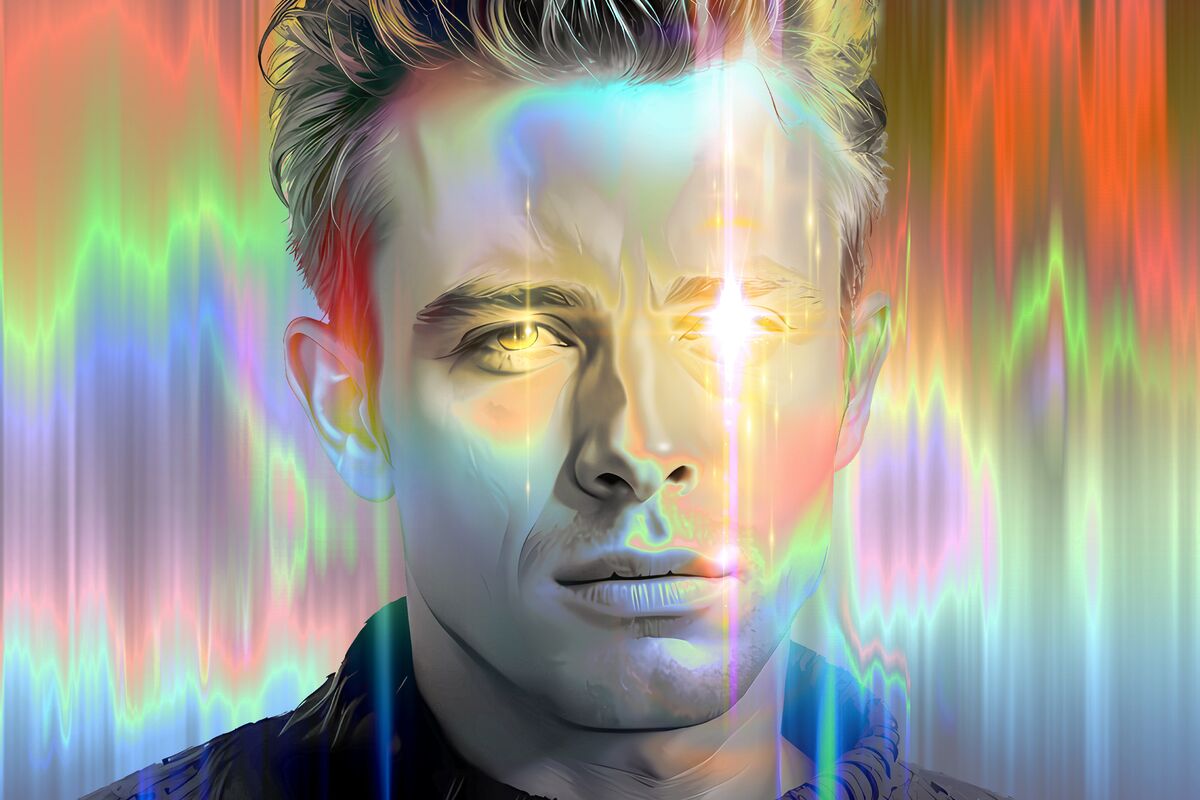
In the age of artificial intelligence, the entertainment industry has found a way to resurrect deceased celebrities, not just in memory but in active, digital roles—generating millions in revenue. Through cutting-edge AI technologies, such as deepfake audio, speech synthesis, and even holograms, stars like James Dean, Judy Garland, and Elvis Presley are back to “work” years after their deaths.

AI companies like ElevenLabs, known for their “iconic voices” project, have partnered with the estates of these celebrities to create lifelike digital avatars and voice clones. For example, James Dean’s voice has been revived through AI to narrate texts like The Legend of Sleepy Hollow, allowing fans to experience his performance once again. Similarly, Judy Garland can now read The Wonderful Wizard of Oz, taking on new voiceover gigs decades after her passing(AllSides)(Vuink.com).
This digital revival is not just limited to voiceovers. Holograms are being used in live performances and virtual concerts. The technology has already seen success with artists like Tupac Shakur, whose hologram performed at Coachella in 2012. These performances, combining visual effects and AI-driven likenesses, provide fans with an experience that feels authentic despite the star’s absence from the real world(Engadget).
The financial impact of this phenomenon is significant. Estates of deceased celebrities, who still hold immense cultural capital, can continue to generate revenue long after the stars have passed. The AI-generated content allows for new streams of income—from virtual concerts to product endorsements. The market for holographic and AI-generated performances is growing, with companies investing heavily to perfect these technologies. AI-generated likenesses are even used for advertising campaigns, with long-dead stars being recreated to promote modern brands(Engadget).
However, this trend raises ethical and legal concerns. The commercialization of a deceased celebrity’s image involves complex intellectual property and copyright issues. Although AI tools can reproduce the likeness and voice of a celebrity, questions about ownership and moral rights remain. For example, should an AI clone of an artist be allowed to perform new content that the person never agreed to in their lifetime? Moreover, AI technology is advancing faster than regulations, and many legal systems are struggling to address these dilemmas
The audience’s emotional connection to a deceased star also plays a key role. While some fans embrace the idea of seeing their favorite celebrities “alive” again, others find it unsettling. The experience of interacting with AI-generated versions of stars lacks the intangible “aura” that comes from real-life performances. Despite the technological wonders, these digital recreations cannot fully replace the original human essence, which often leads to mixed reactions from fans
The future of AI-driven celebrity revivals seems poised for further expansion. With the development of more advanced holograms, avatars, and deepfake technologies, it’s likely we will see more stars from the past making appearances in movies, concerts, and advertisements. As the entertainment industry continues to explore the possibilities, it must also navigate the ethical and emotional complexities that come with bringing the dead back to life.