


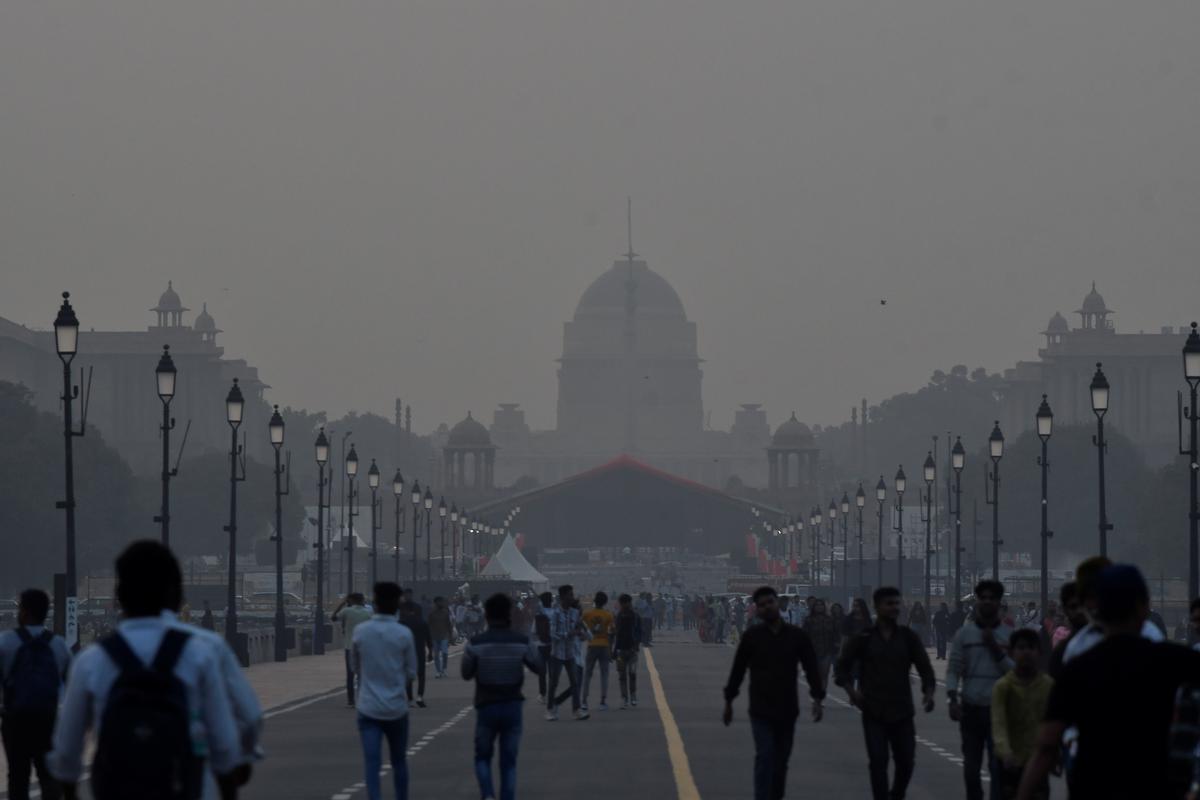
Delhi’s Air Quality Crisis: A Deepening Concern as Pollution Levels Spike

Delhi, the national capital, is once again grappling with a severe air quality crisis as pollution levels have surged dramatically over the past few days. Local residents have expressed their concerns about the deteriorating air quality, citing increasing health issues and the challenges of maintaining a healthy lifestyle in such conditions. This article explores the recent rise in pollution, its causes, the impact on residents, and the urgent measures needed to combat this pressing issue.
The Current Situation
Residents of Lodhi Road and other areas across Delhi have reported a significant increase in pollution levels, particularly over the last two days. One local expressed, “The pollution has increased more in the last two days. We also have to miss our morning walks sometimes. The issues related to breathing have become common.” This statement reflects the growing anxiety among citizens as they navigate their daily lives amidst poor air quality.
The alarming spike in pollution levels can be attributed to a combination of factors, including stubble burning, vehicular emissions, and industrial pollutants. With Diwali approaching, experts warn that the situation could further deteriorate due to increased firecracker usage, adding more pollutants to an already compromised atmosphere.
Understanding the Causes
- Stubble Burning:
One of the primary contributors to Delhi’s air pollution is the practice of stubble burning in neighboring states like Punjab and Haryana. Farmers often burn crop residue to clear fields for the next planting season, releasing vast amounts of particulate matter and harmful gases into the atmosphere. This seasonal practice significantly impacts air quality in Delhi, especially during the post-harvest period. - Vehicular Pollution:
Delhi’s ever-increasing population and vehicle ownership contribute heavily to air pollution. With millions of vehicles on the road, emissions from cars, trucks, and two-wheelers are significant sources of nitrogen oxides and particulate matter. Traffic congestion exacerbates the situation, as idling engines release even more pollutants. - Industrial Emissions:
The presence of various industries in and around Delhi contributes to the air quality crisis. Factories releasing unregulated emissions further compromise the air, especially in industrial areas. Monitoring and regulating these emissions is crucial to improving overall air quality. - Construction Dust:
Ongoing construction projects across the city generate significant amounts of dust and particulate matter. The lack of effective dust control measures at construction sites often leads to increased airborne particles, contributing to respiratory problems among residents.
Health Impacts
The consequences of poor air quality are far-reaching and can have severe health implications. Many residents have reported experiencing symptoms such as coughing, shortness of breath, and aggravated asthma. Vulnerable populations, including children, the elderly, and individuals with pre-existing health conditions, are particularly at risk.
Healthcare professionals have warned that prolonged exposure to polluted air can lead to chronic respiratory diseases, cardiovascular problems, and even premature death. The recent increase in respiratory ailments among locals is a concerning trend, emphasizing the urgent need for action.
Dr. Anjali Mehta, a pulmonologist at a leading hospital in Delhi, stated, “The issues related to breathing have become common. It is necessary to stop this, and precautionary measures need to be taken before the diseases increase.” Her remarks highlight the critical situation faced by residents who are increasingly susceptible to the health effects of pollution.
The Role of Authorities
In response to the rising pollution levels, local authorities and the Delhi government have taken some measures, albeit insufficient in addressing the magnitude of the crisis. Initiatives such as the Graded Response Action Plan (GRAP) have been implemented to tackle pollution during periods of severe air quality deterioration.
However, critics argue that enforcement of regulations is lacking, and more comprehensive strategies are needed to address the root causes of pollution. Measures such as enhancing public transport, promoting electric vehicles, and stricter regulations on industrial emissions are essential for long-term solutions.
Community Initiatives
As the government struggles to combat pollution effectively, community initiatives are gaining traction. Local residents and environmental groups are taking proactive steps to raise awareness and advocate for cleaner air. Efforts include organizing community clean-up drives, promoting tree plantation campaigns, and encouraging individuals to adopt sustainable practices.
Furthermore, residents are urged to minimize outdoor activities during peak pollution days, use air purifiers indoors, and wear masks when necessary. These measures, although not a substitute for systemic change, can help individuals protect their health in the short term.
Looking Ahead: The Diwali Challenge
With Diwali just around the corner, experts fear that air quality may reach hazardous levels due to increased firecracker usage. Traditionally, the festival is marked by celebrations that often include fireworks, which release copious amounts of harmful pollutants into the air. Local authorities and environmentalists are urging citizens to opt for eco-friendly celebrations to mitigate the impending pollution spike.
Delhi’s air quality crisis is a multifaceted problem requiring immediate attention and concerted efforts from the government, industries, and residents. While the increase in pollution levels poses significant health risks, proactive measures can help mitigate its effects. As the city prepares for Diwali, the collective responsibility of all stakeholders will be vital in ensuring a safer and healthier environment for future generations. The residents of Delhi deserve clean air, and it is high time for effective action to protect their right to breathe clean air.

















Comments 1