


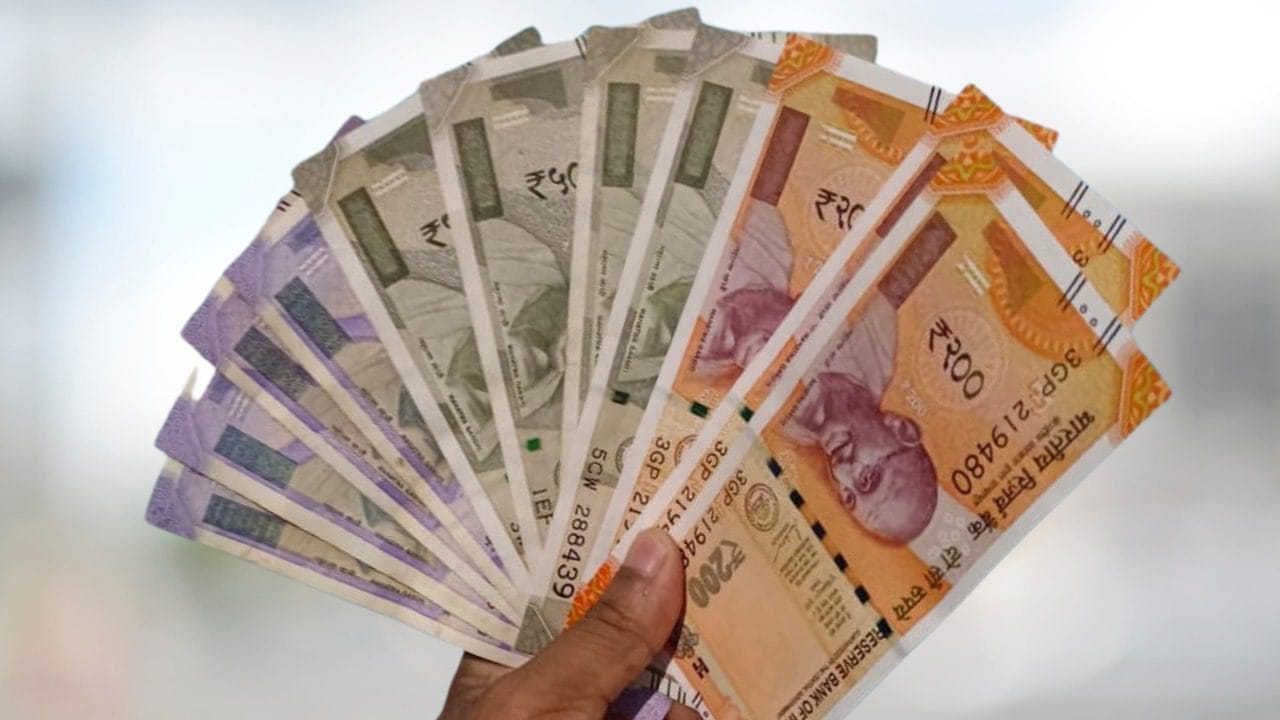
The central government of India has approved a 3% increase in Dearness Allowance (DA), raising it from 38% to 45% for over one crore central government employees and pensioners. This announcement, made just weeks before Diwali, brings financial relief to many ahead of the festive season.

Dearness Allowance is revised biannually based on the Consumer Price Index for Industrial Workers (CPI-IW) to help employees cope with inflation. This latest adjustment will benefit employees with a salary boost, effective retrospectively from July 2024.
Key Highlights of the DA Hike:
- New DA Rate: Raised from 38% to 45%.
- Beneficiaries: Over one crore central government employees and pensioners.
- Timing: Announced ahead of Diwali, providing festive relief.
- Implementation: Retroactively effective from July 2024.
No products found.
What is Dearness Allowance (DA)?
Dearness Allowance is a cost-of-living adjustment allowance paid to government employees and pensioners to mitigate the effects of inflation. The government revises DA twice a year, typically in January and July, based on the Consumer Price Index for Industrial Workers (CPI-IW). It aims to protect employees’ real income from rising prices and maintain their purchasing power.
Calculation and Benefits
The DA percentage is determined by the CPI-IW, which tracks the cost of living and inflation trends. The current increase of 3% will translate into additional income for central government employees. For instance, employees with a basic salary of ₹18,000 will now receive an additional ₹540 per month, while those with a higher salary of ₹30,000 could see their monthly DA increase by ₹900. This increase aims to ensure that salaries remain aligned with inflationary pressures and help government employees manage their financial commitments better during festive periods.
Historical Context and Future Trends
This is not the first time the government has raised the DA this year. In March 2024, the DA had already been increased by 4%, bringing the total to 42%. These revisions are essential as inflation rates fluctuate, and they reflect the government’s attempt to balance public sector wages with market conditions.
The DA hike is expected to inject additional funds into the economy, boosting consumption, particularly during the festive season, when spending typically rises. The timing of the announcement ahead of Diwali is strategic, aligning with the seasonal demand surge that occurs during India’s festival season.
Long-term Impact
Raising the DA has broader implications for the economy. As inflation remains a concern, increasing the disposable income of central government employees and pensioners may help mitigate some of the financial stress caused by rising costs of goods and services. However, the government will need to monitor inflation closely, as future DA hikes depend on changes in the Consumer Price Index. Economists suggest that consistent DA revisions are crucial for sustaining employee welfare in a volatile market.
This article provides an in-depth understanding of the latest Dearness Allowance revision and its implications for central government employees and pensioners. The increase marks a significant financial relief ahead of the festive season, ensuring that employees’ wages keep pace with inflationary pressures.