

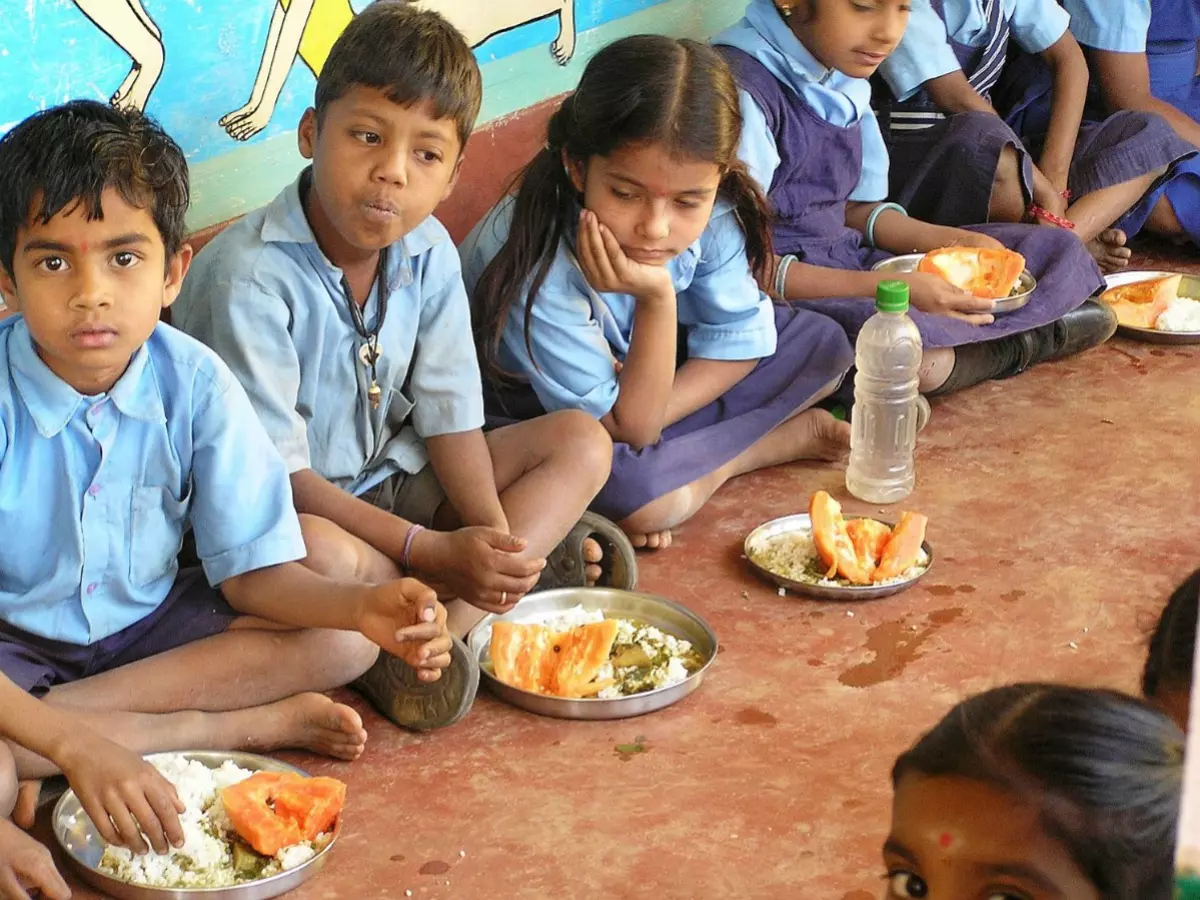
In a bold move to combat malnutrition among children and vulnerable populations, the Madhya Pradesh government has proposed a daily allocation of just ₹12 to address this pressing issue. The initiative has sparked a debate about its efficacy and sufficiency in meeting the nutritional needs of one of India’s most malnutrition-affected states.

The Context of Malnutrition in Madhya Pradesh
Madhya Pradesh has long been grappling with high rates of malnutrition, especially among children under five years of age. According to the National Family Health Survey (NFHS) data, the state has consistently reported alarming figures, with a significant percentage of children facing stunting, wasting, and underweight issues. The socio-economic landscape, compounded by factors such as poverty, lack of education, and inadequate healthcare access, contributes to the prevalence of malnutrition.
The ₹12 Per Day Initiative
The government’s decision to allocate ₹12 per day is aimed at providing nutritional support through the Public Distribution System (PDS) and Anganwadi centers. Officials argue that this initiative is designed to ensure that families can access basic nutrition at a low cost, making it easier for those in poverty to provide adequate meals for their children.
Proponents of the scheme believe that even a small amount can make a difference when it comes to improving dietary diversity and food security. The funds will be utilized to supply fortified food items that can help combat micronutrient deficiencies prevalent in the region.
Criticism and Concerns
Despite the good intentions behind the initiative, many experts and activists have raised concerns about the practicality and impact of the ₹12 allocation. Critics argue that such a nominal amount is insufficient to meet the diverse nutritional needs of children. A comprehensive diet that includes essential proteins, vitamins, and minerals typically costs far more than ₹12 per day.
Nutritionist Dr. Priya Singh emphasized, “A balanced diet for a growing child requires more than just basic staples. Fruits, vegetables, dairy, and protein sources are essential for holistic development. The proposed amount does not reflect the realities of nutritional requirements.”
Additionally, experts highlight the need for sustainable and long-term strategies rather than quick fixes. Nutrition programs need to encompass education on dietary practices, improving agricultural productivity, and enhancing the overall economic conditions of families.
Government’s Perspective
In response to the criticisms, the Madhya Pradesh government has reiterated its commitment to fighting malnutrition. They argue that the initiative is just one part of a broader strategy that includes other programs aimed at enhancing food security, improving healthcare access, and promoting awareness about nutrition.
State officials pointed out that the ₹12 initiative is intended to supplement existing welfare schemes, rather than act as a standalone solution. They also emphasize the role of Anganwadi workers in educating families about nutrition and health, which is vital in ensuring the effectiveness of the initiative.
The Role of Community Involvement
One crucial aspect of tackling malnutrition is the involvement of communities. Grassroots organizations and local health workers play a pivotal role in raising awareness and ensuring that families understand the importance of nutrition. Initiatives that engage community participation are more likely to succeed, as they can tailor their approaches to the specific needs of their local populations.
Experts advocate for a multifaceted approach that not only focuses on financial allocations but also on education, infrastructure development, and healthcare access. Collaboration between government bodies, non-profit organizations, and community leaders is essential for creating sustainable solutions to malnutrition.
Conclusion
While the Madhya Pradesh government’s ₹12 daily allocation represents a step towards addressing malnutrition, the effectiveness of this initiative remains to be seen. The complex nature of malnutrition requires comprehensive and well-rounded strategies that address both immediate needs and underlying causes.
For the initiative to be truly effective, it must be part of a larger commitment to improving nutritional standards across the state. As Madhya Pradesh strives to combat this longstanding issue, the focus should be on creating an integrated approach that prioritizes the health and well-being of its most vulnerable populations.
With the right measures, education, and community involvement, the state can hope to make meaningful progress in its fight against malnutrition, ensuring a healthier future for its children.