


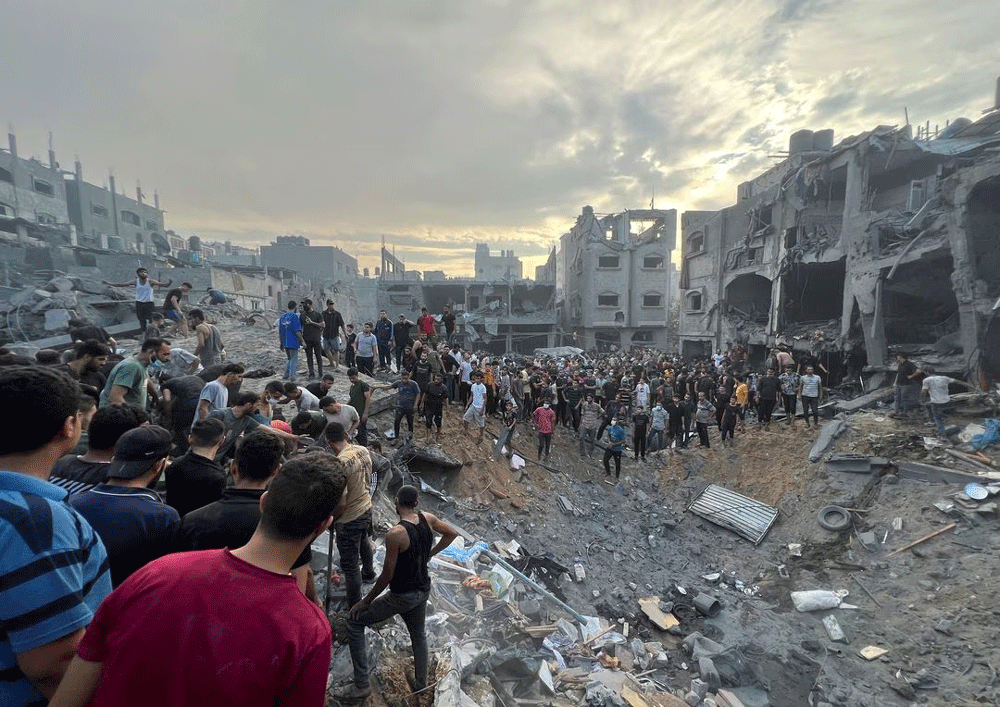
In a dramatic escalation of violence, Israeli airstrikes on Gaza have resulted in the deaths of 61 people over the past 48 hours, according to the Gaza Health Ministry. This recent surge in attacks underscores the intensifying conflict in the region and has prompted an urgent response from international agencies, particularly the United Nations, which is now focused on increasing vaccination efforts in the war-torn area.

Details of the Attacks
The latest Israeli military operations, described as a response to ongoing rocket fire from Gaza, have targeted various sites across the strip. The airstrikes have led to significant casualties and damage, exacerbating the already dire humanitarian situation in Gaza. The Israeli Defense Forces (IDF) have stated that their strikes are aimed at neutralizing militant threats and preventing further rocket attacks on Israeli territory.
According to reports from Gaza’s Health Ministry, the majority of the casualties are civilians, including women and children. The strikes have also damaged residential areas and critical infrastructure, adding to the suffering of the civilian population. Hospitals in Gaza are reportedly overwhelmed with casualties, struggling to provide adequate medical care amid ongoing attacks.
International Response and UN Involvement
In response to the escalating crisis, the United Nations has intensified its efforts to address the humanitarian needs of those affected. The UN has launched a campaign to vaccinate the population against various diseases, which are exacerbated by the conflict. The ongoing violence has disrupted routine healthcare services, leading to increased risks of outbreaks and further health crises.
UN agencies are working to deliver essential medical supplies and vaccines to the region, but logistical challenges and security concerns are complicating these efforts. The organization has called for a ceasefire to allow humanitarian aid to reach those in need and to mitigate the impact on civilian lives.
Global Reactions
The international community has reacted strongly to the recent surge in violence. Many countries and human rights organizations have condemned the high civilian toll and called for an immediate end to the hostilities. The UN Secretary-General has urged both sides to de-escalate the conflict and engage in dialogue to address the underlying issues driving the violence.
Protests and demonstrations have erupted worldwide, with activists and citizens expressing their outrage over the loss of innocent lives and the worsening humanitarian situation. Efforts are also being made to bring the issue to the forefront of international diplomacy, with calls for increased pressure on all parties to seek a peaceful resolution.
The Path Forward
As the situation in Gaza continues to deteriorate, the focus remains on finding a sustainable solution to the conflict. The international community, including the UN and various humanitarian organizations, is working tirelessly to provide aid and support to those affected by the violence. However, without a significant reduction in hostilities and a renewed commitment to peace talks, the path to resolution remains fraught with challenges.
The latest developments in Gaza highlight the urgent need for a comprehensive and lasting solution to the Israeli-Palestinian conflict, one that addresses the humanitarian needs of the civilian population and establishes a framework for long-term peace and stability in the region.



















Comments 3