


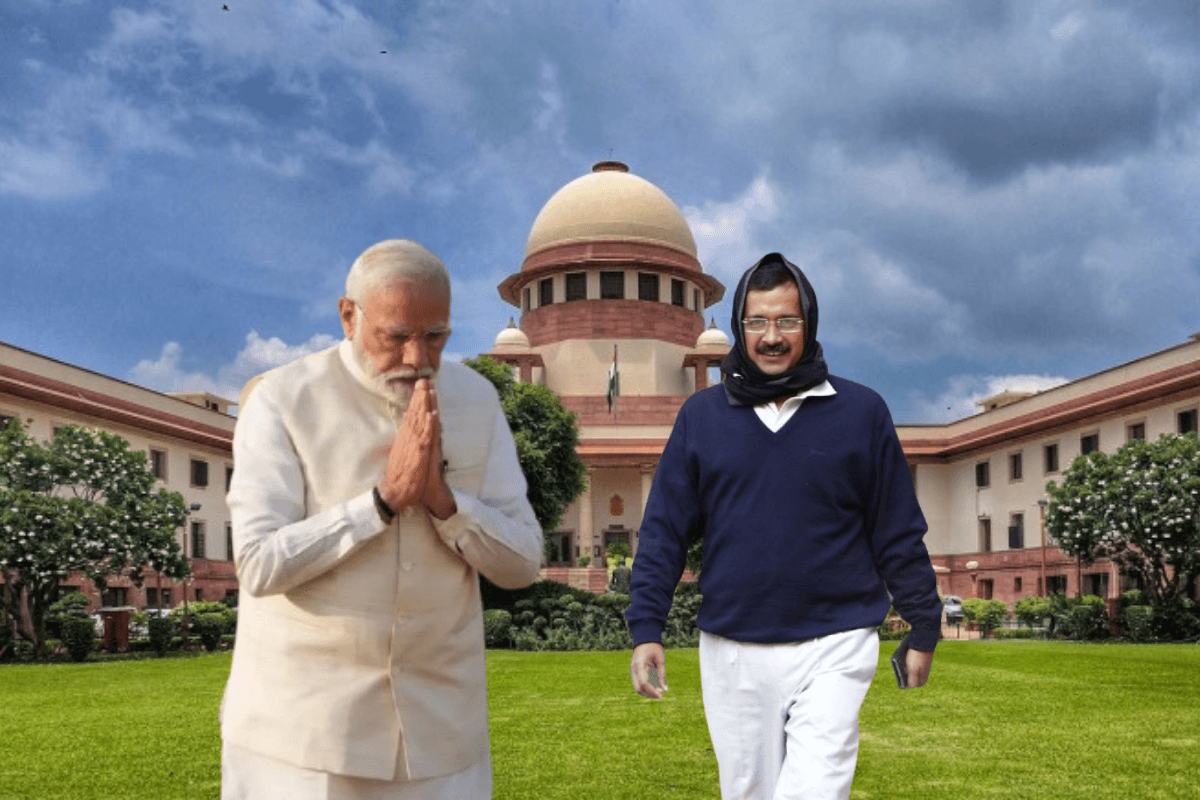
The Supreme Court of India recently dismissed a petition filed by former Delhi Chief Minister and Aam Aadmi Party (AAP) chief Arvind Kejriwal, which challenged a criminal defamation case against him. The case originates from comments made by Kejriwal regarding the educational qualifications of Prime Minister Narendra Modi, specifically questioning the validity of his degree from Gujarat University. The ruling highlights significant issues surrounding freedom of speech, the right to critique public figures, and the implications of defamation laws in India.

Background of the Case
The controversy began when Kejriwal made remarks during public speeches and press conferences that called into question Prime Minister Modi’s academic credentials. He claimed that there were discrepancies regarding the Prime Minister’s educational qualifications, particularly his degree obtained from Gujarat University. Kejriwal’s statements were part of a broader political narrative, often aimed at questioning the legitimacy of Modi’s claims about his educational background.
The comments did not go unnoticed. Gujarat University’s administration, feeling that these remarks tarnished their reputation and misled the public about the integrity of their academic institution, decided to take legal action. The university’s registrar, Piyush Patel, filed a criminal defamation suit against both Kejriwal and AAP leader Sanjay Singh, asserting that their statements were not only false but also malicious, designed to damage the university’s standing.
Supreme Court Proceedings
In the Supreme Court, Kejriwal’s legal team argued that his comments fell within the realm of free speech and were made in the context of political discourse. They contended that questioning a public figure’s qualifications is a legitimate aspect of political debate, especially when such figures hold significant positions of power. They emphasized that the right to criticize public officials is essential in a democracy and should be protected under the framework of free speech.
However, the Supreme Court, in its ruling, upheld the defamation suit filed by Gujarat University. The court stated that while freedom of expression is a fundamental right, it does not grant individuals the right to make unsubstantiated claims that could harm another’s reputation. The bench highlighted the need for balance between freedom of speech and the protection of individual reputations, particularly when it comes to public figures.
Implications of the Ruling
The Supreme Court decision is significant for several reasons. Firstly, it underscores the limits of free speech, especially in the context of political commentary. While political leaders are often expected to engage in vigorous debate, the court has indicated that there are boundaries that should not be crossed. This ruling could potentially deter politicians from making unverifiable statements about their opponents’ backgrounds or qualifications, promoting a more responsible approach to political discourse.
Moreover, the ruling raises questions about the use of defamation laws in India. Critics have argued that such laws are often weaponized by powerful individuals or institutions to silence dissent and suppress criticism. The case against Kejriwal serves as a reminder of the risks faced by political figures who challenge the status quo, particularly when their comments might be construed as defamatory. The court’s stance could embolden institutions and individuals to pursue defamation suits against public figures, thereby potentially chilling free speech in the political arena.
Reactions from Political Leaders
The dismissal of Kejriwal’s petition has drawn varied reactions from political leaders across the spectrum. AAP members expressed disappointment at the ruling of Supreme Court , emphasizing that Kejriwal’s comments were meant to provoke a discussion about transparency and accountability in governance. They asserted that questioning the qualifications of a leader is a democratic right, especially when that leader is in a position to influence significant national policies.
On the other hand, supporters of Prime Minister Modi hailed the decision as a victory for integrity and truth in public discourse. They argued that public figures should be held to account for their words and actions, particularly when they cast aspersions on the qualifications and credibility of respected institutions like Gujarat University.
The Role of Defamation in Political Discourse
This case also brings to light the broader issues of defamation and accountability in political discourse. In a democracy, the ability to question and critique public figures is crucial for a healthy political environment. However, when such critiques cross the line into personal attacks or unfounded allegations, they can lead to a culture of fear and silence among political opponents.
Supreme Court said Defamation laws, while necessary to protect individuals from malicious statements, must be carefully balanced with the need for open dialogue. The challenge lies in defining what constitutes acceptable criticism versus what is defamatory. The Supreme Court’s ruling serves as a reminder that the courts play a crucial role in this balance, but it also raises concerns about the potential for misuse of defamation laws.
The dismissal of Arvind Kejriwal‘s petition by the Supreme Court marks a pivotal moment in the ongoing dialogue about freedom of speech, accountability, and the role of defamation in Indian politics. While the court has reinforced the importance of protecting reputations, it has also highlighted the delicate balance that must be maintained between free expression and accountability.
As India continues to navigate its complex political landscape, this ruling will likely resonate in future debates about the boundaries of political speech. Political leaders must now tread carefully, ensuring that their critiques remain within the confines of verifiable facts, lest they face legal repercussions from Supreme Court . The case serves as a reminder that while democracy thrives on debate, it also demands responsibility and integrity from those who engage in it.

















Comments 1