

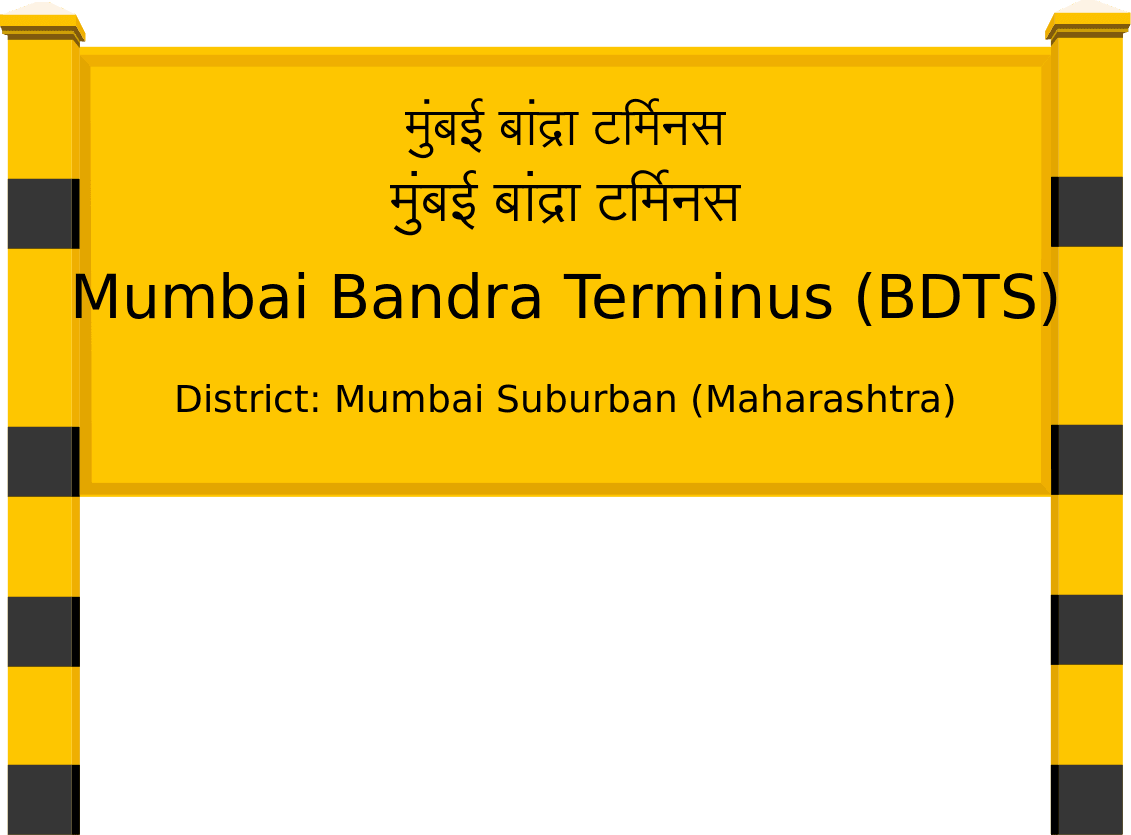
In the early hours of October 27, 2024, a chaotic stampede at Mumbai’s bustling Bandra Terminus injured nine people, including two critically. The incident occurred as passengers, anxious to board the Bandra-Gorakhpur Express scheduled to depart at 5:10 a.m., surged forward on Platform 1, leading to an overcrowded, panicked scene. The crush was triggered when people rushed to secure seats as the train was announced, resulting in a loss of control over the crowd. The injured passengers were taken to Bandra Bhabha Hospital, where Dr. Ritesh, the attending medical officer, confirmed that Noor Mohammad Shaikh, 18, and Indrajith Sahani, 19, are currently in critical condition, while seven others, aged between 18 and 40, remain stable. Names of the injured include Shabhir Abdul Rehman, Parmeshwar Gupta, Ravindra Chuma, and several others.

This incident underscores a major issue for Indian railways: crowd management and safety. Railway stations, particularly in metro areas like Mumbai, frequently witness high traffic volumes, making them susceptible to overcrowding and safety risks. This surge in crowd density has often been attributed to Mumbai’s intense commuter demand, especially during early mornings and late evenings when working professionals, students, and families are all vying for space. Bandra Terminus, a critical junction connecting long-distance trains, is particularly vulnerable during these hours.
The railway authorities quickly responded to the incident by deploying emergency services and additional security to the station. Efforts to manage the crowd were immediately put into place to prevent further issues, and authorities were soon at the scene to investigate. This isn’t the first instance of such accidents in India, as past incidents in other crowded rail stations highlight an ongoing issue in public safety and rail management.
Over the years, Mumbai has seen a rise in similar incidents, particularly as the metropolitan railway stations serve millions of daily commuters. This adds pressure to the railways’ infrastructure, which has struggled to expand at a pace proportional to the city’s growth. With Bandra Terminus handling some of the highest traffic, the issue of overcrowding and poor infrastructure management often comes to the forefront during such events. High-speed boarding, limited seating, and fewer security personnel contribute to creating stressful conditions, especially when large crowds gather for popular or frequent routes.
Many experts argue that the solution lies in a combination of infrastructural changes and digital solutions. In recent years, authorities have introduced initiatives like advance ticketing, digital boards, and pre-boarding queues, but they remain insufficient for the sheer volume of passengers that Mumbai’s rail network carries. Suggestions include implementing entry barriers, expanding platforms, and increasing the number of compartments per train to allow a safer, more organized boarding process. Enhancing public awareness of station protocols and ensuring that announcements for boarding are clear and frequent may also mitigate such chaotic situations.
In response to this incident, railway officials have promised an investigation and are exploring immediate changes, such as installing additional CCTV cameras, deploying more personnel, and optimizing the layout of entry and exit points at key stations like Bandra. Additionally, local government and railway representatives have stated their commitment to upgrading facilities and ensuring commuter safety, although the timeline and specifics of these upgrades remain unspecified.
Mumbai’s commuters, however, continue to express concerns. Many emphasize that crowding issues, while partly unavoidable, could be better managed with more robust crowd-control measures. This sentiment echoes across many Indian metro stations, where the infrastructure often fails to meet growing demands. Many commuters hope this incident will be a turning point, compelling authorities to accelerate station upgrades and prioritize passenger safety.
The Bandra stampede incident serves as a stark reminder of the challenges Indian railways face in ensuring passenger safety amid ever-increasing demand. As Mumbai’s commuter population continues to grow, the call for safer, more efficient railway infrastructure is louder than ever, pressing authorities to prioritize crowd control and passenger well-being as key components of urban planning.