

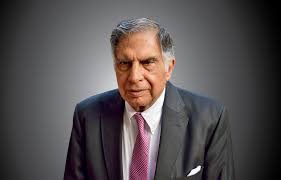
The death of Ratan Tata, the iconic industrialist and former chairman of Tata Sons, marks a profound moment of loss for India and the global corporate world. Tata, revered for his contributions to business, philanthropy, and global leadership, passed away at the age of 86, leaving behind a monumental legacy that spans decades. Tributes have poured in from leaders across industries, highlighting his immense influence on not only India’s corporate landscape but also on the global business community.

Tributes from Indian Business Leaders
Mukesh Ambani, chairman of Reliance Industries, described Tata’s passing as a “very sad day for India and India Inc.” He recalled how every interaction with Tata left him inspired, emphasizing the nobility of Tata’s character. Ambani lauded Tata for transforming the Tata Group into a global powerhouse, taking India to the world stage and bringing the world to India. He extended his heartfelt condolences, calling Tata “a dear friend” whose values and leadership had a profound impact on the Indian economy.
Anand Mahindra, chairman of Mahindra Group, expressed disbelief at Tata’s passing. He stated that Tata’s life had significantly contributed to India’s current economic standing, and his mentorship during these times of transition would have been invaluable. Mahindra noted that Tata’s legacy is defined by his ability to put business success in the service of the global community, praising his ethical approach and contributions to societal good.
Gautam Adani, chairman of Adani Group, hailed Tata as a visionary who embodied the spirit of modern India. Adani remarked that Tata’s legacy transcended business and would continue to inspire future generations. He emphasized Tata’s unwavering commitment to the greater good, calling him a giant whose contributions to India’s development are immeasurable.
Reactions from Global Business Figures
Tata’s contributions were not confined to India alone. His global ventures, including the acquisition of brands like Jaguar Land Rover and Tetley Tea, placed the Tata Group on the world map. International corporate leaders also expressed their sorrow over his passing.
From Elon Musk to Satya Nadella, top tech figures remembered Tata as a pioneer of Indian industry who placed humanity at the center of his business decisions. Nadella, CEO of Microsoft, highlighted Tata’s philanthropic efforts, particularly his focus on education, healthcare, and community development, which resonated with global CSR initiatives.
Political Leaders Pay Homage
Prime Minister Narendra Modi led political tributes, calling Tata a “visionary business leader, a compassionate soul, and an extraordinary human being.” Modi highlighted Tata’s contributions beyond the boardroom, noting how his humility and kindness endeared him to millions. The PM reflected on Tata’s role in modernizing India’s industrial capabilities and providing stable leadership to one of its oldest and most prestigious business houses.
Rahul Gandhi, leader of the Indian National Congress, echoed these sentiments, emphasizing how Tata left an indelible mark on India’s corporate and social fabric. Gandhi pointed out that Tata’s emphasis on ethics, sustainability, and employee welfare made him a unique leader who blended business acumen with a deep sense of moral responsibility.
Legacy of Philanthropy and Social Good
Tata’s philanthropic endeavors have been one of the cornerstones of his legacy. He was instrumental in creating initiatives that addressed pressing social issues such as healthcare, education, and rural development. Under his guidance, the Tata Trusts became one of the largest philanthropic organizations in India, funding numerous projects that aimed to improve the lives of the underprivileged.
His contributions to global causes were also significant, as he supported efforts ranging from environmental sustainability to advancements in technology. Tata’s belief in “giving back” made him a revered figure not only in business circles but also in communities across the world.
Corporate Impact and Innovation
Ratan Tata’s influence extended far beyond traditional business metrics. Under his leadership, the Tata Group ventured into industries ranging from IT and telecommunications to steel and automotive manufacturing. His strategic foresight helped establish Tata Consultancy Services (TCS) as a global leader in IT services, which continues to shape India’s digital economy. His vision of producing the world’s cheapest car, the Tata Nano, aimed to revolutionize affordable transportation, further highlighting his commitment to innovation that benefits the masses.
Tata was also known for his hands-on leadership style, particularly during crises. Whether it was steering the group through the aftermath of the 26/11 Mumbai attacks or handling the challenges posed by the global financial crisis, his calm demeanor and ethical decision-making earned him respect both at home and abroad.
A Personal Connection to Millions
For millions of Indians, Ratan Tata was more than just a business leader; he was a symbol of integrity, humility, and vision. His personal interactions with employees, stakeholders, and the public set him apart from many of his contemporaries. Stories of his humility, like personally visiting families of victims in the 26/11 terror attacks, only cemented his status as a beloved figure.
A Global Inspiration
As the world reflects on Ratan Tata’s legacy, it’s clear that his contributions transcended national borders. He was not only an ambassador for Indian business but also a global statesman who believed in the power of business to drive social change. His ventures across continents, from Europe to the Americas, reshaped how Indian companies were perceived globally, opening doors for future generations of Indian entrepreneurs.
Conclusion: The End of an Era, but a Lasting Legacy
The passing of Ratan Tata marks the end of an era in the world of Indian and global business. However, his values, vision, and commitment to improving society will continue to inspire future generations. Tata’s ability to balance business success with social responsibility remains a model for ethical leadership in the modern world.
Tata’s death has left a void, but his legacy will live on through the companies he built, the lives he touched, and the principles he upheld. As the world bids farewell to this giant of industry, his life serves as a testament to the power of business to make a positive impact on the world.