



In a significant diplomatic and cultural gesture, 297 Indian antiquities were returned to India during Prime Minister Narendra Modi’s visit to the United States in September 2024. This marked a historic moment in the ongoing efforts to repatriate looted and stolen artifacts, symbolizing growing cooperation between the two nations on cultural preservation.

The artifacts, spanning over 2,000 years of Indian history, were handed over by U.S. authorities following extensive collaboration between Indian and American agencies. The collection includes sculptures, religious artifacts, and ancient pieces of art that were illegally exported from India over the past decades. The artifacts have immense historical, cultural, and religious value, showcasing the rich and diverse heritage of India across various time periods.
A Long-Standing Effort to Reclaim Heritage
India has been working actively to recover its stolen cultural treasures for many years, and this latest return is the culmination of years of diplomatic negotiations and legal efforts. Since the Modi administration took office in 2014, India has intensified its push for the repatriation of stolen artifacts from countries like the U.S., Australia, and the U.K.
Among the returned items are sculptures from the Gupta and Chola periods, intricate carvings from sandstone, and bronze figurines. These antiquities, some of which date back to the 1st century CE, had been smuggled out of India and sold to private collectors or museums around the world. Many of these artifacts were traced back through illegal networks operated by infamous smugglers.
The United States, which houses a large number of museums and private collections, has been a key focus in India’s efforts to recover stolen heritage. American law enforcement, particularly the Department of Homeland Security (DHS) and the Manhattan District Attorney’s Office, played a vital role in identifying and seizing the artifacts. The return of these antiquities is a major win in the fight against cultural theft and smuggling.
Highlights of the Repatriated Antiquities
Some of the standout pieces in this collection include:
- A 10th-century sandstone statue of the Hindu god Vishnu, believed to have been stolen from a temple in Madhya Pradesh.
- A bronze Nataraja (dancing Shiva) statue from the Chola dynasty, a classic example of South Indian craftsmanship.
- A 12th-century marble idol of the goddess Parvati, revered for its intricate detail and representation of feminine divinity.
- A rare Buddhist sculpture from the Gandhara period, which highlights the cross-cultural exchanges between India and Central Asia during ancient times.
These artifacts provide insight into the religious, social, and artistic developments of ancient India. Once they return to their homeland, these pieces will likely be placed in national museums, where they will be preserved and made accessible to the public.
Strengthening Bilateral Ties
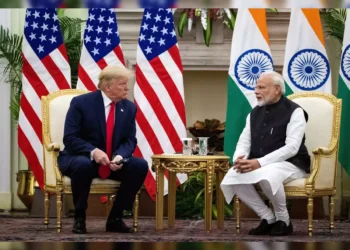
The return of these antiquities also strengthens the growing bilateral relationship between India and the United States. During his visit, PM Modi highlighted the importance of cultural diplomacy in fostering deeper ties between nations. “These artifacts are not just pieces of art; they are a symbol of our heritage and identity,” Modi said during the official handover ceremony. “We appreciate the United States for working with us to bring them back home.”
U.S. authorities emphasized their commitment to combatting the illicit trade of cultural property. “The preservation of cultural heritage is a priority for us,” said a spokesperson from the U.S. Department of Homeland Security. “We are committed to returning stolen artifacts to their rightful owners and will continue to work with countries like India to protect their history.”
Impact on Future Repatriation Efforts
This large-scale return is expected to set a precedent for future repatriation efforts, not only between India and the U.S. but also with other countries. India has been making strides in recovering its looted heritage, with the Modi administration securing the return of more than 450 antiquities from various countries over the past decade. This figure continues to rise, with efforts underway to trace and recover hundreds more.
The returned artifacts are a testament to India’s rich and diverse cultural history, and their homecoming is seen as a victory not just for the government, but for historians, archaeologists, and the Indian public at large. This effort aligns with UNESCO’s international conventions against illicit trade and the protection of cultural property, which India has been a part of since 1970.
Conclusion
The return of 297 Indian antiquities during PM Modi’s U.S. visit marks a significant achievement in India’s mission to reclaim its stolen cultural heritage. The artifacts, representing thousands of years of Indian history, will once again take their place in the cultural narrative of the nation. This collaboration between the U.S. and India signifies a growing commitment to protecting and preserving cultural heritage worldwide, with the potential for more successful repatriations in the future.
As these priceless pieces are reintegrated into India’s historical and cultural fabric, they will serve as a reminder of the country’s glorious past and its ongoing efforts to protect and celebrate its heritage.
















Comments 1