


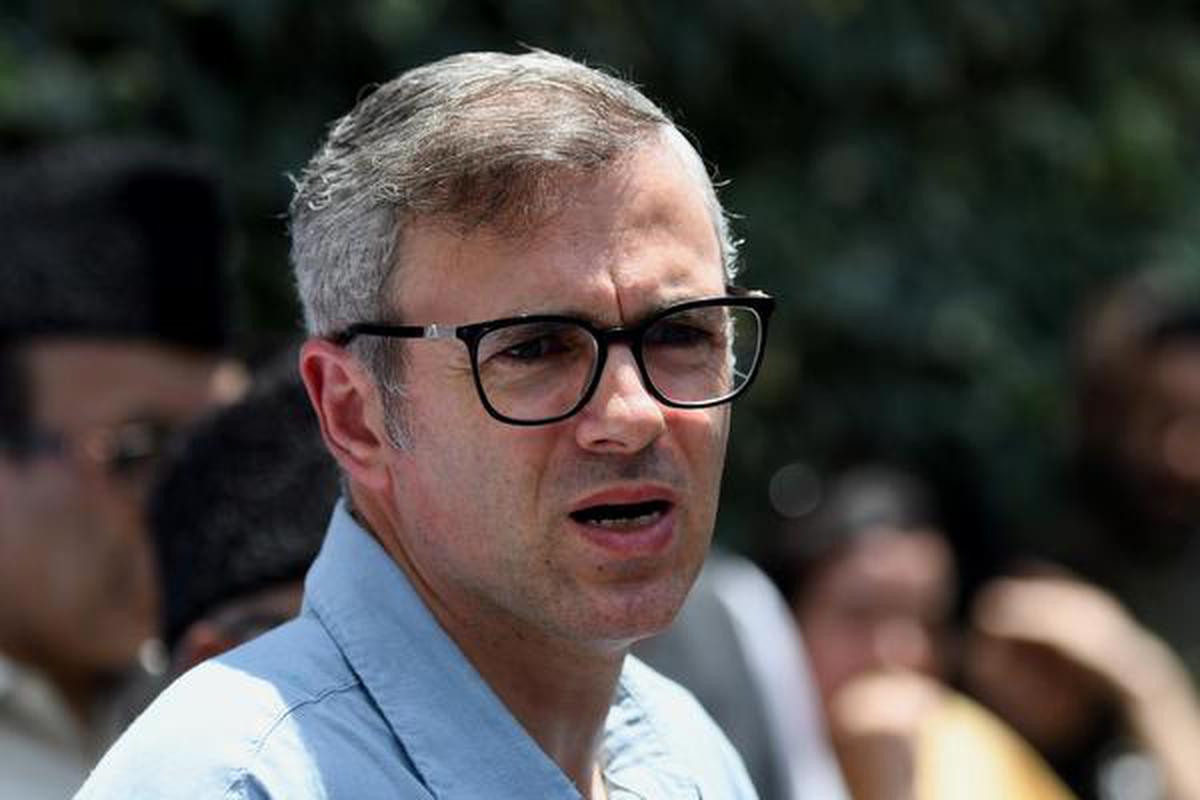
Omar Abdullah Chosen as Legislature Party Chairman: A New Era for Jammu and Kashmir Politics

In a significant political development, Omar Abdullah has been elected as the leader of the Jammu and Kashmir National Conference’s (JKNC) Legislative Party. This appointment positions him as the frontrunner for the Chief Minister role in the newly elected assembly, marking a pivotal moment in the region’s political landscape.
A Unified Front
During a recent meeting at the party headquarters, all members of the JKNC expressed their unwavering support for Abdullah, acknowledging his leadership during a challenging electoral campaign. The National Conference emerged as a crucial player in the recent elections, securing a total of 49 seats, which has bolstered their confidence in forming a government.
In a strategic move to strengthen his coalition, Abdullah has been negotiating with the Indian National Congress (INC) to secure their support. The coalition’s position has been further strengthened by the endorsement of four independent MLAs, bringing the total strength to 42 members. Abdullah plans to formally approach the Raj Bhavan to stake his claim for government formation.
Focus on Statehood and Governance
Abdullah’s primary agenda includes advocating for the restoration of statehood to Jammu and Kashmir, a crucial issue that resonates with the electorate. He has emphasized the need for a dialogue with the central government to address the aspirations and concerns of the people of Jammu and Kashmir. Abdullah stated, “We are committed to fostering a cooperative relationship with the central government to ensure the effective governance of our region”.
His vision for governance also highlights inclusivity. Abdullah has assured that all citizens, including those who abstained from voting and supporters of the Bharatiya Janata Party (BJP), will be represented in his administration. This approach aims to foster unity and peace in a region historically marked by division.
The Political Landscape
Omar Abdullah’s rise as a key political figure comes at a time when Jammu and Kashmir is navigating a complex political landscape post-abrogation of Article 370. The region has witnessed a surge in political engagement, with parties like the National Conference and Congress vying for a significant role in governance. Abdullah’s leadership is seen as a stabilizing force amid these changing dynamics.
As Abdullah prepares to step into this leadership role, he acknowledges the challenges ahead. “It’s not just about forming a government; it’s about restoring faith among the people in governance,” he noted. His commitment to transparent governance and accountability will be crucial in rebuilding trust among the electorate.
Reactions and Expectations
The appointment of Omar Abdullah has sparked discussions among political analysts and citizens alike. Many view his leadership as a potential turning point for the National Conference and a chance to address pressing issues facing the region, including economic development, security, and social harmony. Abdullah’s prior experience as Chief Minister from 2009 to 2015 is expected to inform his approach to governance as he navigates the challenges of leading in a post-Article 370 environment.
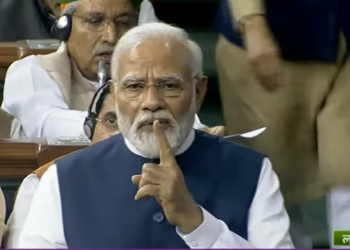
Furthermore, Abdullah’s proactive engagement with Prime Minister Modi has been noted as a sign of his willingness to collaborate for the betterment of Jammu and Kashmir. Their discussions are expected to focus on crucial issues such as infrastructure development, security measures, and the restoration of normalcy in the region.
Conclusion
As Omar Abdullah steps into the role of Legislative Party Chairman and aims for the Chief Ministership, the people of Jammu and Kashmir are keenly watching how he will address their needs and aspirations. His focus on inclusive governance, restoration of statehood, and cooperation with the central government could pave the way for a new era in Jammu and Kashmir politics. The support from independent MLAs and potential collaboration with Congress signifies a united front aimed at addressing the pressing challenges faced by the region.














Comments 2