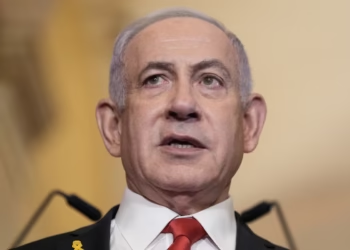


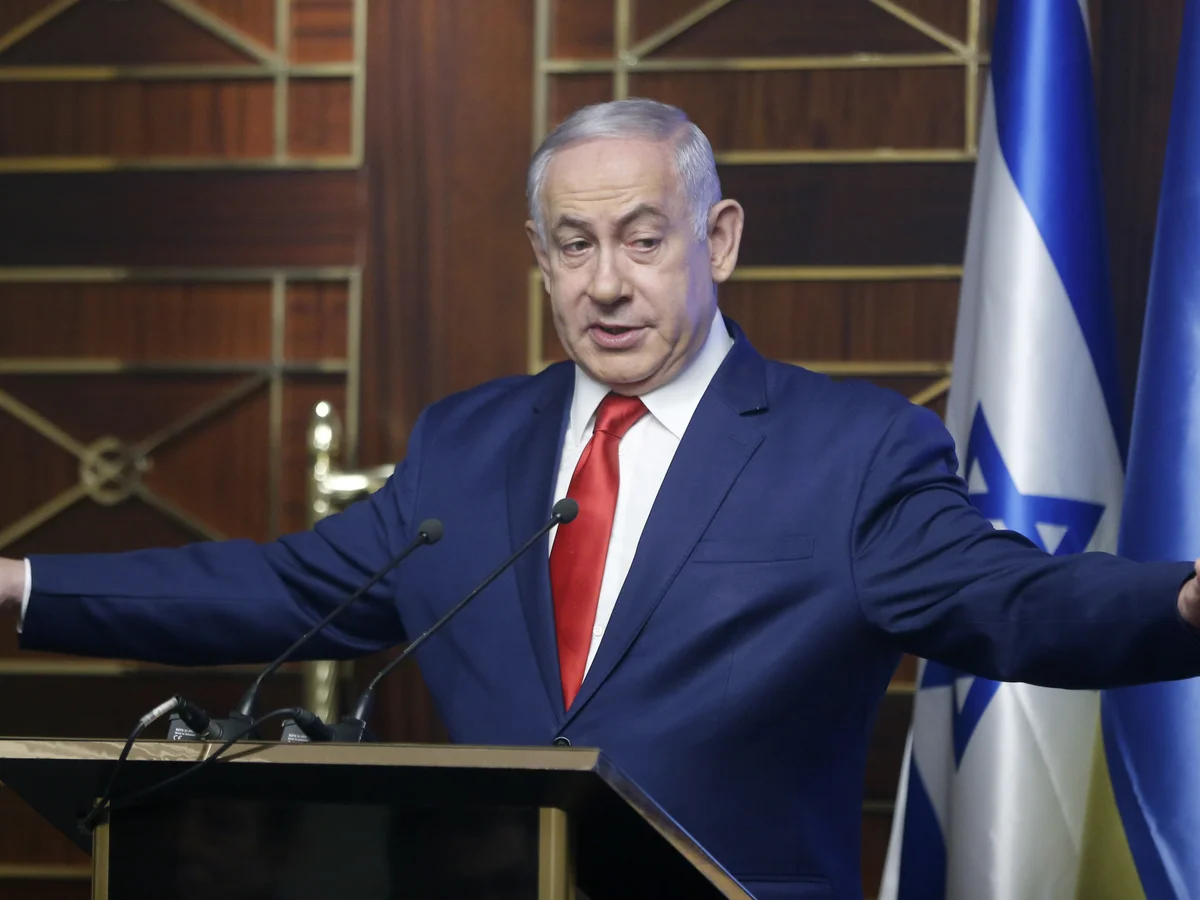
During his address to the United Nations General Assembly on September 27, 2024, Israeli Prime Minister Benjamin Netanyahu delivered a strong message to Iran, asserting that Israel has the capability to strike anywhere in the Islamic Republic. His speech was directed at Tehran’s leadership, particularly emphasizing that if Iran were to attack Israel, it would retaliate with significant force.

Netanyahu declared, “There is no place in Iran that the long arm of Israel cannot reach,” underscoring Israel’s extensive military and intelligence reach across the Middle East. He emphasized Israel’s readiness to defend itself and highlighted its advanced capabilities to strike back against any aggressor. This message comes amidst the heightened tensions between Israel and Iran, particularly over Iran’s nuclear program and regional influence through proxy groups.
The Israeli prime minister also addressed the ongoing conflict with Hamas, vowing that the militant group “has got to go.” He argued that as long as Hamas remains in power, peace in Gaza will remain elusive, stating that the group would repeatedly attack Israel if left unchecked. Netanyahu’s words reflect Israel’s firm stance against allowing Hamas to regroup, reaffirming his commitment to Israel’s security through “total victory” over the militant faction.
His speech was significant not only because of the direct warning to Iran but also due to its broader implications for regional stability. Netanyahu positioned Israel as a leading force in countering what he perceives as threats from Tehran, while also calling on the international community to recognize and support Israel’s security concerns in the volatile Middle East.
This rhetoric follows Israel’s longstanding concerns over Iran’s nuclear ambitions and its backing of proxy forces in the region, such as Hezbollah in Lebanon and various militias in Syria and Iraq. Netanyahu’s mention of Israel’s ability to reach anywhere in Iran signals a continuation of Israel’s policy of preemptive strikes, particularly targeting Iranian military and nuclear sites, as it has done in the past.
The address also coincided with broader global discussions on the Iranian nuclear deal, officially known as the Joint Comprehensive Plan of Action (JCPOA), which Israel opposes vehemently. While the Biden administration in the U.S. has sought to revive the deal, Netanyahu’s speech at the UN reaffirmed Israel’s opposition to any agreement that does not effectively dismantle Iran’s nuclear capabilities.
In his closing remarks, Netanyahu reiterated that Israel will do whatever it takes to ensure its survival and security, sending a clear message to both Iran and the international community about Israel’s readiness to take decisive action if provoked.
This powerful speech by the Israeli leader not only reflects his government’s firm stance on regional security but also signals to the world that Israel’s security measures will continue to include preemptive and far-reaching military actions if necessary.
By invoking the concept of the “long arm of Israel,” Netanyahu aimed to bolster deterrence against Tehran while asserting Israel’s unwavering commitment to defending itself against any threat, no matter how distant.