


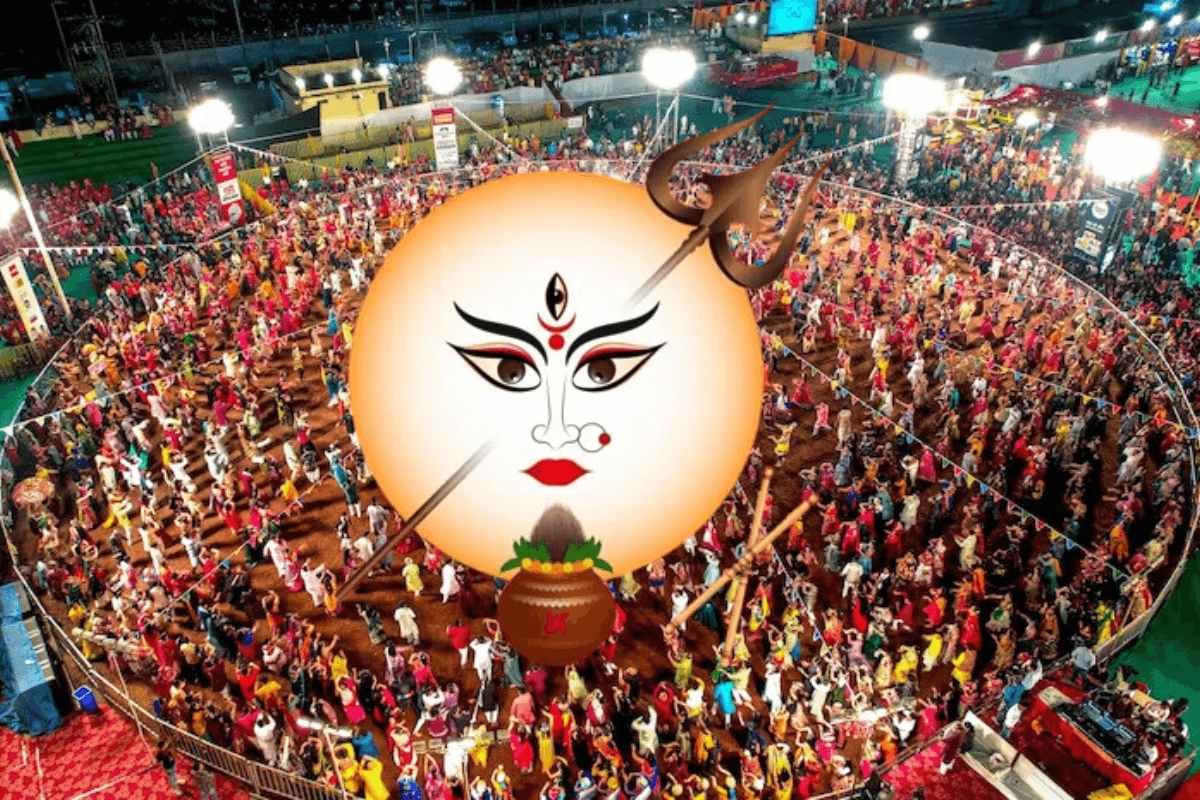
Navratri is one of the most vibrant and revered Hindu festivals, celebrated with immense devotion and grandeur across India and worldwide. In 2024, Navratri will be celebrated from October 3 to October 11. The festival spans nine days, each dedicated to a different form of Goddess Durga, with unique colors and rituals symbolizing various virtues. This guide will walk you through the day-wise color list, goddess names, their significance, and the recommended do’s and don’ts during the festival.

Navratri 2024 Schedule: Day-Wise Goddess and Colors
Each day of Navratri is associated with a specific goddess and color, representing the qualities that devotees seek to imbibe. Here’s a detailed breakdown of the 2024 Navratri schedule:
- Day 1: October 3, 2024 (Pratipada)
- Goddess: Shailaputri – The first form of Goddess Durga, Shailaputri represents strength, purity, and devotion.
- Color: Yellow – Symbolizes joy, positivity, and energy. Wearing yellow on the first day sets an optimistic tone for the entire festival.
- Day 2: October 4, 2024 (Dwitiya)
- Goddess: Brahmacharini – Known for her penance and purity, Brahmacharini embodies devotion and discipline.
- Color: Green – Represents nature, renewal, and growth. Green fosters balance and peace, invoking the blessings of the goddess.
- Day 3: October 5, 2024 (Tritiya)
- Goddess: Chandraghanta – A symbol of bravery and courage, Chandraghanta protects her devotees from evil.
- Color: Grey – Reflects neutrality, balance, and detachment from worldly illusions, helping devotees stay grounded.
- Day 4: October 6, 2024 (Chaturthi)
- Goddess: Kushmanda – Her laughter is said to have created the universe. She represents creativity and joy.
- Color: Orange – A vibrant and lively color that reflects warmth, enthusiasm, and a zest for life.
- Day 5: October 7, 2024 (Panchami)
- Goddess: Skandamata – The nurturing mother of Lord Kartikeya, she symbolizes unconditional love and care.
- Color: White – Symbolizes peace, purity, and serenity, inviting divine blessings of clarity and tranquility.
- Day 6: October 8, 2024 (Shashti)
- Goddess: Katyayani – A warrior goddess, Katyayani is associated with strength, victory, and courage.
- Color: Red – Signifying passion, love, and power, red is a symbol of vitality and determination.
- Day 7: October 9, 2024 (Saptami)
- Goddess: Kalaratri – Known for her fierce and protective nature, Kalaratri removes darkness and fear.
- Color: Royal Blue – Represents richness, depth, and wisdom, encouraging spiritual growth and protection.
- Day 8: October 10, 2024 (Ashtami)
- Goddess: Mahagauri – A form of purity and serenity, Mahagauri brings peace and compassion to devotees.
- Color: Pink – Symbolizes universal love, harmony, and beauty, making it perfect for invoking affection and kindness.
- Day 9: October 11, 2024 (Navami)
- Goddess: Siddhidatri – The goddess of supernatural powers, she bestows her devotees with wisdom and success.
- Color: Purple – Reflects luxury, grandeur, and nobility, perfect for a day of spiritual fulfillment and divine grace.
The Spiritual and Cultural Significance of Navratri Colors
Each color during Navratri holds immense spiritual and emotional significance. Wearing the designated color is believed to enhance the blessings of the respective goddess and bring good fortune. The tradition of wearing specific colors has become deeply rooted in Indian culture, especially in states like Gujarat and Maharashtra, where the festival is celebrated with great enthusiasm. Women wear these colors not only during puja but also while participating in the Garba and Dandiya dances, which add to the festival’s vibrancy.
Do’s and Don’ts During Navratri 2024
To make the most of Navratri and invite divine grace into your life, here’s a list of recommended do’s and don’ts:
Do’s
- Fasting: Many devotees fast during Navratri, consuming only sattvic food like fruits, milk, and light grains such as buckwheat and sabudana. Fasting is believed to purify the body and mind, making one more receptive to divine blessings.
- Offerings: Devotees offer fresh flowers, fruits, and sweets like kheer or halwa to the goddess daily. Each day is associated with specific offerings based on the goddess being worshipped.
- Decorations: Homes are decorated with rangolis, flowers, and diyas to welcome Goddess Durga. Temples and homes set up elaborate altars (ghatasthapana) for Durga Puja.
- Garba and Dandiya: Participate in Garba and Dandiya Raas, traditional dances that symbolize the goddess’s victory over evil and the celebration of life.
- Prayers and Bhajans: Recite Durga Saptashati, a sacred text dedicated to Goddess Durga, and chant mantras like “Om Dum Durgaye Namah” to invoke her blessings.
Don’ts
- Avoid Non-Vegetarian Food: Abstain from eating meat, eggs, and onions during Navratri. It is also advised to avoid alcohol and smoking as a mark of respect for the sacredness of the festival.
- No Cutting or Shaving: It is believed to be inauspicious to cut hair, nails, or shave during the nine days of Navratri, as it is a period of spiritual observance.
- Avoid Anger and Negative Emotions: Navratri is a time for spiritual growth, so avoid anger, envy, and negative emotions. Embrace positivity, devotion, and humility.
- Stay Away from Junk Food: Fasting doesn’t mean indulging in heavy fried or sugary food. Stick to light, sattvic meals to maintain the purity of body and mind.
- Avoid Wearing Black: Black is generally avoided during Navratri as it is considered inauspicious for a festival centered around light, positivity, and victory over evil.
Conclusion: Celebrate Navratri 2024 with Colors and Devotion
Navratri is more than just a festival; it’s a spiritual journey where devotees reconnect with their inner selves while worshipping the divine feminine energy. Embracing the day-wise colors enhances the vibrancy of the celebration, bringing harmony and positivity into one’s life. By observing the do’s and don’ts, devotees ensure that their rituals are aligned with tradition, inviting the blessings of Goddess Durga and her nine forms.
As you prepare for Navratri 2024, remember to immerse yourself in the devotional spirit, observe the cultural traditions, and celebrate with family and friends while spreading joy and positivity throughout the festival.