


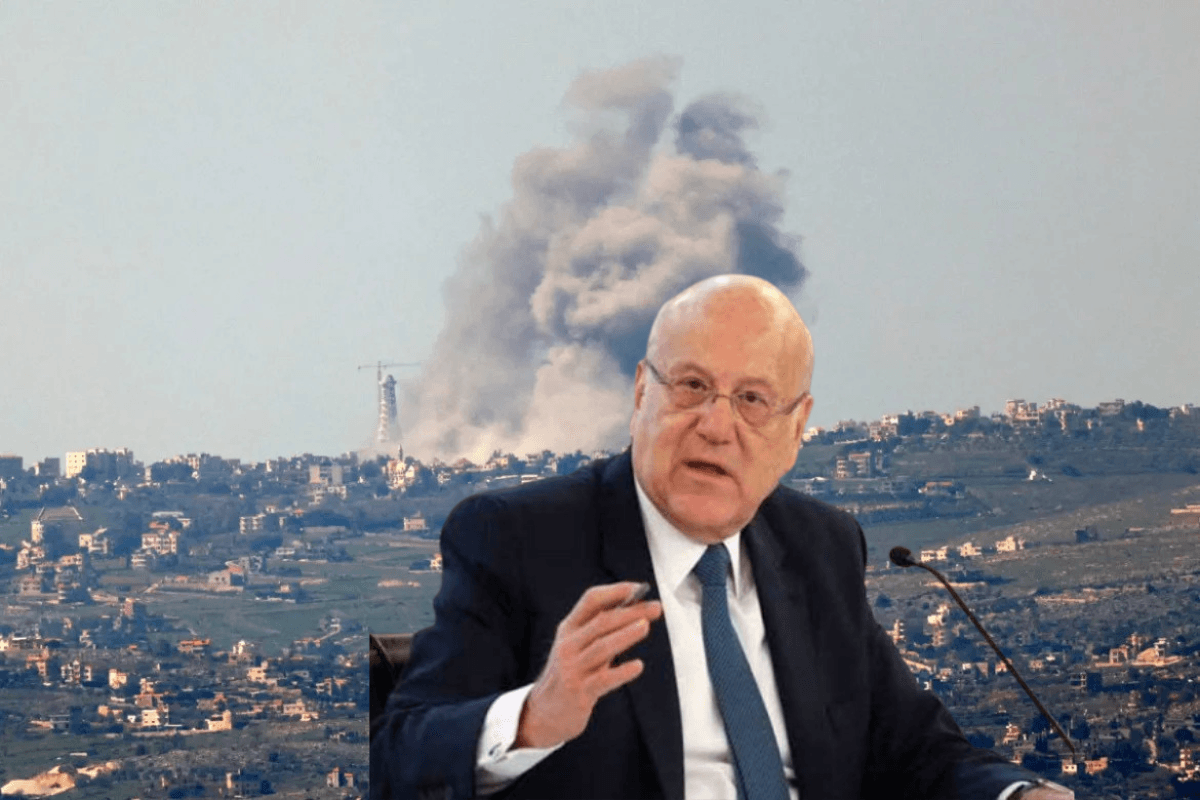
In response to escalating tensions in the region, Lebanon’s Prime Minister Najib Mikati has urgently called for a ceasefire with Israel as military strikes continue to intensify. This appeal comes amid a series of airstrikes launched by Israel that have led to significant civilian casualties and widespread destruction in Lebanon, particularly targeting Hezbollah positions.

Since the beginning of these strikes on September 23, 2024, the situation has worsened, with over 700 people reportedly killed and thousands more injured. The violence has displaced hundreds of thousands of Lebanese civilians, making it one of the most severe escalations since the Lebanese Civil War. Mikati described the Israeli actions as a “war of extermination” and urged for immediate cessation of hostilities, emphasizing the urgent need for humanitarian support for affected families.
The Israeli military, in response, has claimed that its operations are targeted and necessary to neutralize Hezbollah’s military capabilities. Recent strikes have reportedly killed several high-ranking Hezbollah commanders, including a recent operation that eliminated Mohammed Hussein Surour, the head of one of the organization’s air force units.
The Israeli government has rejected the possibility of a ceasefire, insisting that they will not halt operations until their military objectives are achieved.
As the violence escalates, Prime Minister Mikati has called upon the international community to intervene and prevent further bloodshed, highlighting the dire humanitarian crisis unfolding in the region.
The UN and various human rights organizations have echoed this call, urging both sides to de-escalate the conflict and protect civilian lives. However, diplomatic efforts to mediate a ceasefire have so far been unsuccessful.
In summary, the situation remains volatile, with Lebanon facing severe humanitarian challenges while the Israeli military continues its operations against Hezbollah. The international community’s response and potential mediation efforts will be crucial in determining the next steps in this ongoing conflict.














Comments 2