


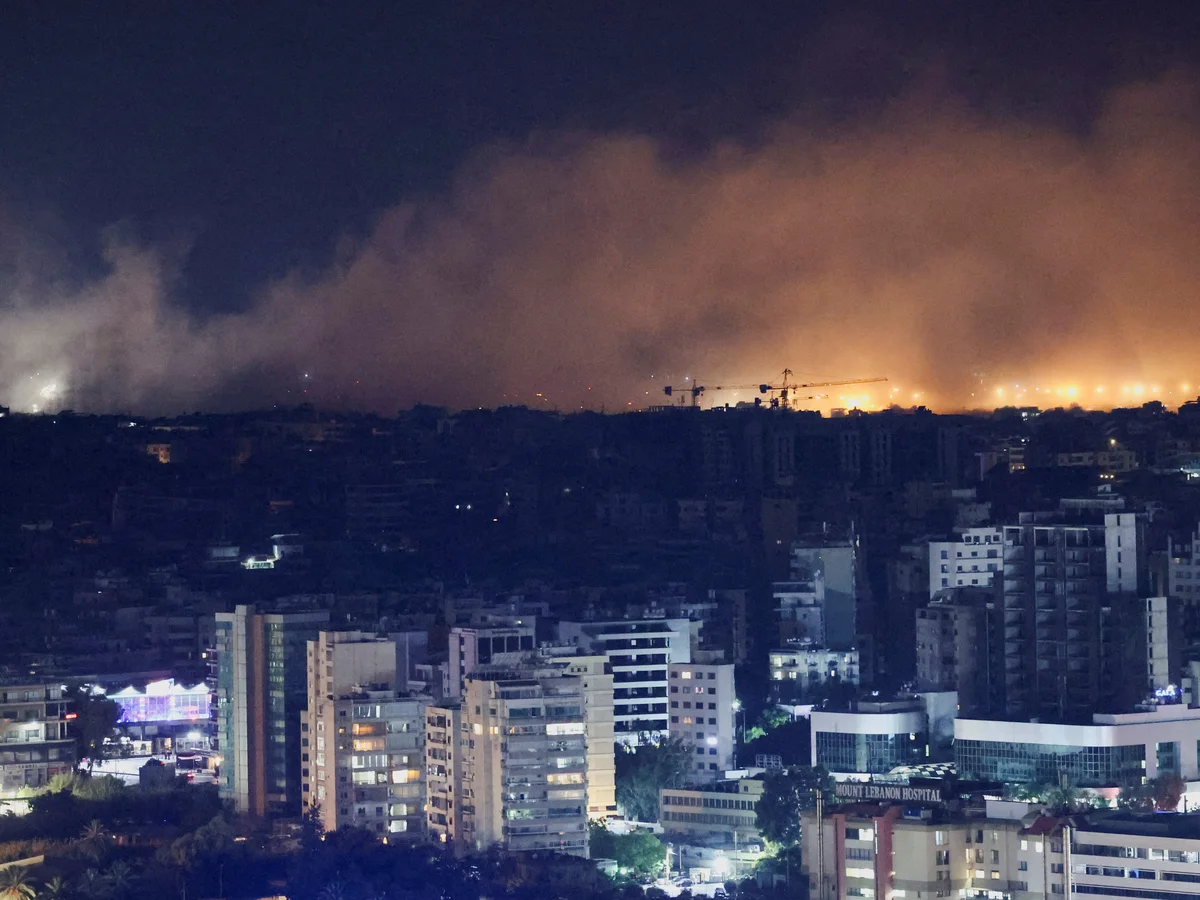
Israel has reaffirmed its commitment to continuing Operation Northern Arrows, a military campaign launched against Hezbollah forces in southern Lebanon. The operation, which started in late September 2024, has escalated into one of the most significant confrontations between Israel and Hezbollah since the 2006 Lebanon War. As Israeli Prime Minister Benjamin Netanyahu stated, the goal is to neutralize Hezbollah’s military capabilities and secure northern Israel, which has been repeatedly targeted by rocket fire from across the Lebanese border.

Background of Operation Northern Arrows
The conflict intensified after Hezbollah began cross-border attacks in solidarity with Hamas following the October 2023 Gaza crisis. Hezbollah launched several rocket and missile attacks into northern Israel, hitting both military and civilian targets. In response, the Israeli Defense Forces (IDF) initiated Operation Northern Arrows, conducting a series of airstrikes and ground incursions targeting Hezbollah positions, infrastructure, and leadership. The operation aims to push back Hezbollah’s forces and dismantle its extensive military networks in southern Lebanon
Scope of the Conflict
According to Israeli military officials, the operation has so far resulted in significant destruction of Hezbollah’s operational capabilities. The IDF has focused on bombing key supply lines, weapon caches, and command centers. In late September, Israeli forces assassinated Hezbollah’s Secretary-General Hassan Nasrallah, further destabilizing the group’s leadership. This assassination has only escalated the conflict, as Hezbollah vowed retaliation, resulting in continuous rocket fire from Lebanon and a spiraling humanitarian crisis on both sides of the border.
As of early October 2024, over 700 Lebanese civilians have been killed, and thousands more have been injured or displaced. On the Israeli side, military casualties have mounted, and towns near the northern border have been evacuated. The Lebanese government has condemned Israel’s actions, calling it a “war of extermination,” while Israel insists its strikes are necessary for self-defense.
Hezbollah’s Response and Israeli Objectives
Despite international calls for de-escalation, Hezbollah has maintained a hardline stance, continuing to launch missiles and deploy guerilla forces against Israeli troops. Israeli Prime Minister Netanyahu, addressing his nation, stated that the operation would continue until Hezbollah is sufficiently weakened and no longer poses a threat to Israel’s northern regions.
The operation marks one of Israel’s largest military engagements since the 2023 Gaza war. Israeli Defense Minister Yoav Gallant noted that the campaign is not just a reactionary measure but a preemptive strike aimed at preventing future Hezbollah incursions. He reiterated that Hezbollah, heavily supported by Iran, poses a long-term threat to Israel’s national security, which the country is determined to eliminate through its ongoing military efforts.
International Reactions and Diplomatic Pressure
The international community has expressed growing concerns over the escalating conflict. The United Nations has urged both parties to seek diplomatic resolutions, but efforts to broker a ceasefire have so far been unsuccessful. The United States has backed Israel’s right to defend itself but has also warned against further destabilizing the region.
Meanwhile, Lebanon’s infrastructure continues to suffer under the weight of Israeli airstrikes, leaving the government struggling to provide aid to displaced civilians. The situation has created a massive humanitarian crisis, with many Lebanese civilians fleeing into Syria to escape the violence. Schools, hospitals, and refugee camps have become overwhelmed as the conflict shows no signs of abating.
Conclusion: Operation to Continue
Israel has made it clear that Operation Northern Arrows will not cease until its military objectives are met. The IDF plans to intensify ground operations, particularly in Hezbollah-controlled territories near the border, supported by airstrikes aimed at dismantling Hezbollah’s entrenched military presence. As the conflict escalates, the potential for wider regional involvement looms large, making diplomatic resolutions increasingly urgent but elusive.
With no immediate end in sight, the conflict continues to place tremendous strain on both Lebanon and Israel, while threatening to spill over into other parts of the Middle East
















Comments 4