


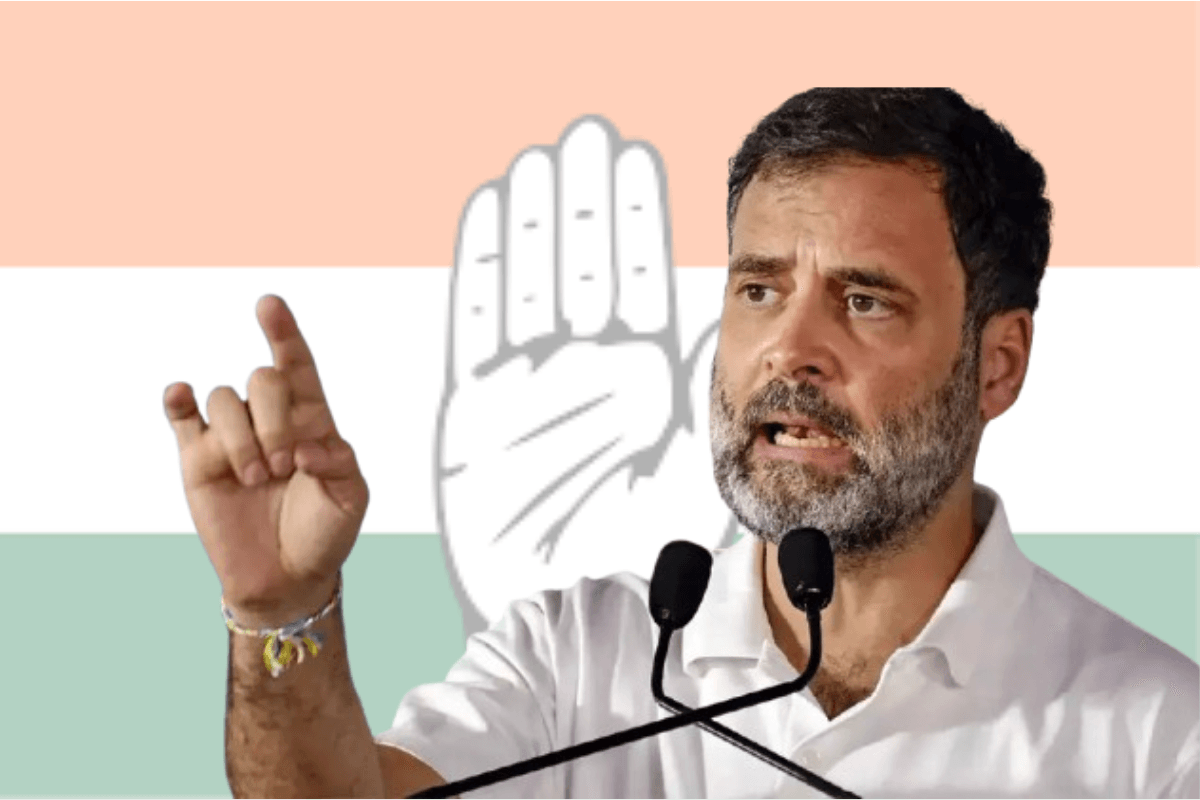
The recent Haryana election results have caused significant turbulence within the Congress party, igniting internal debates and criticisms from both allies and rivals. Rahul Gandhi, the Leader of Opposition in the Lok Sabha, expressed his concerns about the handling of the counting process and announced that the Congress will file formal complaints with the Election Commission. However, the defeat has led to introspection about what went wrong, especially considering the party’s high hopes before the elections.

The Congress party’s loss in Haryana has been described by some as the “art of turning victory into defeat.” Many analysts and political insiders argue that the Congress had positioned itself for a better outcome but failed to capitalize on the opportunity. One of the major criticisms is directed toward overconfidence and a lack of cohesive leadership at the state level. The party’s decision not to align with regional partners, particularly AAP, is also seen as a strategic misstep. AAP leader Arvind Kejriwal indirectly referenced this by highlighting how Congress’s overconfidence backfired, suggesting that the party underestimated the value of alliances in states like Haryana.
Shiv Sena’s editorial in Saamana particularly criticized the Congress leadership for what it called “arrogance and entitlement,” blaming these factors for the party’s failure to connect with voters on the ground. The editorial called on Congress to learn from this defeat and be more cautious ahead of upcoming elections in Maharashtra, where the party is part of a coalition with Shiv Sena and other regional players. Many within the Congress, too, are analyzing whether the leadership’s inability to unite various factions and work cohesively with local parties contributed to the loss. This debacle is being seen as a major blow to the Congress’s influence, especially as it heads into other crucial elections in Jharkhand and Delhi.
Another issue at the heart of Congress’s struggle is its apparent weakness in direct confrontations with the BJP. Despite ten years of anti-incumbency against the BJP in Haryana, Congress was unable to secure a victory. This pattern has been seen in other key states like Madhya Pradesh and Gujarat, where the party’s strategies have consistently fallen short. In contrast, the BJP’s organizational strength, robust campaign strategies, and ability to connect with voters, particularly in rural areas, have kept it dominant, further exposing Congress’s weaknesses.
The failure to win in Haryana could also have repercussions for Congress’s standing within the opposition INDIA alliance. The party’s performance in states like Jammu & Kashmir, where it played a secondary role to the National Conference, and the recent results in Haryana have weakened its position at the negotiating table. Regional partners like Shiv Sena and AAP have become more vocal in their demands, and Congress’s reliance on these alliances to remain relevant is increasingly evident.
Looking ahead, the Congress will need to rethink its electoral strategy, particularly in states where it faces direct competition from the BJP. While Rahul Gandhi has promised an internal review, the party’s leadership will have to work hard to regain the trust of voters and strengthen its alliances with regional parties if it hopes to make a comeback in the upcoming elections.

















Comments 1