

Congress-NC Alliance Marches Ahead in J&K: Trends Show Clear Victory

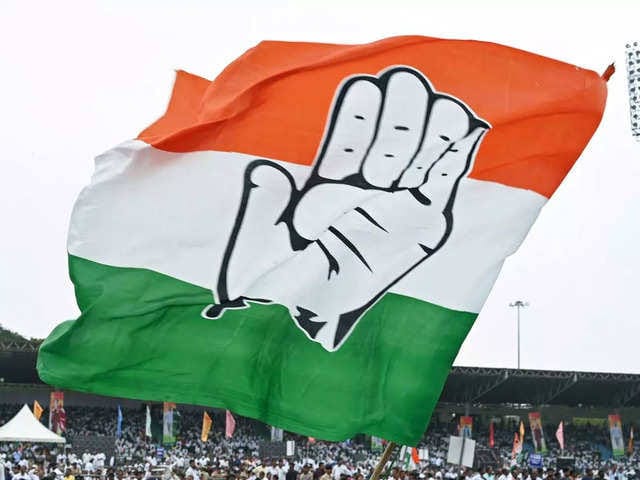
In a significant political shift, the alliance between Congress and the National Conference (NC) is gaining momentum in the ongoing elections in Jammu & Kashmir. Early trends are painting a promising picture, suggesting that the coalition may be on track for a sweeping victory. This development could reshape the political landscape of a region known for its unique and often turbulent political dynamics.
A Strategic Partnership
The Congress-National Conference alliance represents more than just a collaboration of two political forces; it’s a strategic partnership aimed at restoring the democratic process in Jammu & Kashmir. Since the abrogation of Article 370 in August 2019, the region has faced significant changes, including its bifurcation into two Union Territories—Jammu & Kashmir and Ladakh. This move led to unrest and calls for the return of statehood, making the alliance’s mission more critical than ever.
At the forefront of this partnership are prominent leaders like Rahul Gandhi from Congress and Farooq Abdullah from the NC. Together, they aim to offer a viable alternative to the ruling Bharatiya Janata Party (BJP), which has been at the helm of the central government since 2014. Their unified message resonates with many residents who have felt sidelined in recent years.
Early Results and Trends
As the counting of votes progresses, early results indicate that the Congress-NC alliance is leading in key constituencies across both Jammu and Kashmir. The coalition is particularly strong in the Kashmir Valley, which has long been a bastion for the National Conference. In Jammu, the Congress has made notable gains, signaling a broad acceptance of the alliance throughout the Union Territory.
Out of the 90 seats in the Jammu & Kashmir Legislative Assembly, the Congress-NC coalition appears to be ahead in more than half. This early lead is not just a number; it reflects a growing sentiment among the electorate that the alliance’s strategy is resonating with their needs and aspirations.
Key Figures and Campaign Strategy
Central to the success of the Congress-NC alliance are the tireless efforts of its leaders. Rahul Gandhi’s Bharat Jodo Yatra, which traversed through Jammu & Kashmir earlier this year, has played a crucial role in reviving the Congress’s presence in the region. His messages of unity and inclusivity struck a chord with many, especially in the context of the unique challenges faced by the people of Jammu & Kashmir.
Farooq Abdullah, a stalwart in Jammu & Kashmir politics, has been instrumental in rallying support for the coalition. His son, Omar Abdullah, has also campaigned vigorously, focusing on empowering the youth and promising to restore the region’s political and economic autonomy. Their grassroots outreach efforts have undoubtedly contributed to the coalition’s strong performance.
BJP’s Struggles
On the other hand, the BJP, which had hoped to solidify its position in Jammu & Kashmir, seems to be falling short of expectations. Despite Prime Minister Narendra Modi’s repeated emphasis on development projects for the region, the party’s performance has been underwhelming, particularly in the Kashmir Valley, where it continues to struggle for acceptance. In Jammu, the BJP, historically strong, is facing challenges as the Congress-NC alliance has effectively highlighted local issues that resonate with voters.
The BJP’s collaboration with the Apni Party, led by former PDP leader Altaf Bukhari, also appears to be faltering, with early results indicating a lackluster performance. The Gupkar Alliance, which includes the National Conference, has managed to maintain its hold in the Valley, limiting the BJP’s influence.
Restoring Statehood and Article 370
One of the core messages of the Congress-NC campaign has been the demand for the restoration of Article 370, which once granted special status to Jammu & Kashmir. The BJP’s decision to abrogate this provision was intended to integrate the region fully into India, but it also led to widespread unrest and political disenchantment. The Congress-NC alliance has made it clear that they will fight for the restoration of this special status, a message that has resonated strongly in the Valley.
Additionally, calls for the restoration of statehood have gained significant traction. Both Congress and NC leaders have stressed that Jammu & Kashmir’s designation as a Union Territory undermines its historical identity and political significance. This issue has become central to their campaign and has played a crucial role in their current electoral success.
Addressing Local Issues
While the political discourse has focused heavily on statehood and Article 370, local economic concerns have also significantly shaped voter sentiment. The economy of Jammu & Kashmir, heavily reliant on tourism and agriculture, has suffered from prolonged instability, the COVID-19 pandemic, and natural disasters. Unemployment, especially among the youth, remains a pressing concern.
The Congress-NC alliance has promised to prioritize job creation, infrastructure development, and improvements in healthcare and education. Their campaign has focused on the need for local governance to effectively address these pressing issues. In contrast, the BJP’s promises of large-scale development projects have failed to ease local concerns, contributing to their struggles in these elections.
The Road Ahead
As trends suggest a clear victory for the Congress-NC alliance, the political future of Jammu & Kashmir seems poised for a new beginning. These election results could mark the start of a renewed effort for statehood and political autonomy, aspirations that have dominated the region’s conversation since 2019.
A victory for this coalition would not only reshape the political scene in Jammu & Kashmir but also send a powerful message to the central government about the region’s desires. For now, the people of Jammu & Kashmir are watching closely, hopeful that the incoming government will listen to their voices and steer the region toward peace, stability, and prosperity.
Conclusion
With early trends pointing to a decisive victory for the Congress-NC alliance, it’s clear that the people of Jammu & Kashmir are ready for change. Their collective focus on statehood, local economic development, and addressing the aspirations of the youth has struck a chord with voters. As the region stands on the brink of a new chapter in its political journey, the hope is that the voices of its people will be prioritized, leading to a brighter and more inclusive future for Jammu & Kashmir.