


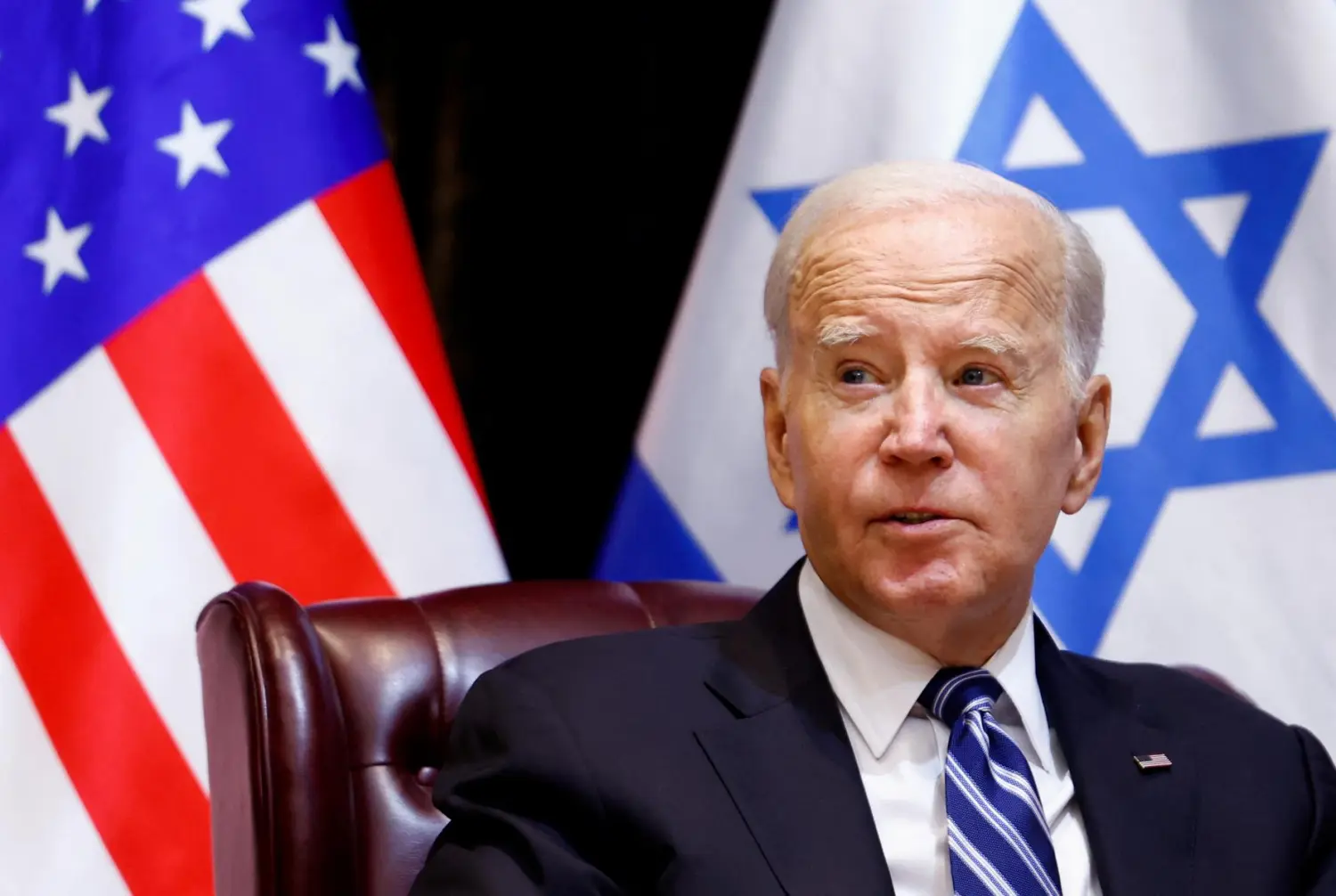
Biden Discusses Possible Israeli Strikes on Iranian Oil Facilities: A Strategic Response Amid Growing Middle East Tensions

In a significant development that could reshape geopolitical dynamics in the Middle East, U.S. President Joe Biden recently acknowledged discussions around possible Israeli strikes on Iranian oil facilities. The remarks come in the wake of heightened tensions between Israel and Iran, particularly after Iran’s missile and drone attacks on Israeli targets, which have escalated fears of a broader regional conflict.
The Context Behind Biden’s Remarks
The Middle East has long been a volatile region, with tensions between Israel and Iran being central to much of the conflict. Iran’s support for militant groups like Hezbollah and Hamas, its nuclear ambitions, and its role in regional proxy wars have placed it at odds with Israel, which perceives Tehran as an existential threat. Over the years, Israel has carried out multiple airstrikes in Syria and other neighboring regions, targeting Iranian militias and weapon supplies to prevent attacks on its soil.
Recently, Iran launched a barrage of missiles and drones, allegedly targeting Israeli military and civilian positions. Israel, known for its swift retaliatory responses, has vowed to strike back. In this context, Biden’s admission that his administration is discussing a potential Israeli strike on Iranian oil facilities adds a significant new dimension to the equation.
Strategic Implications of Striking Iranian Oil Infrastructure
Iran’s oil industry is not only central to its economy but also critical for funding its military operations and regional influence. Targeting oil facilities would likely cripple the Iranian government’s ability to finance its operations, including its support for groups like Hezbollah. A strike on oil infrastructure could serve as a powerful deterrent, signaling to Iran that its aggressive posture will no longer be tolerated.
However, such a move also risks significant repercussions. A strike on Iran’s oil infrastructure would not only destabilize global oil markets but also provoke a harsh response from Tehran. Iran has threatened to retaliate with further missile strikes, potentially escalating the conflict into a full-scale war. The Strait of Hormuz, a vital shipping lane for global oil supplies, could become a flashpoint, with Iran possibly blocking oil tankers as part of its retaliation.
Biden’s Position: Weighing the Costs and Benefits
President Biden’s acknowledgment that the U.S. is discussing potential Israeli strikes on Iranian oil facilities is a notable departure from previous stances. Historically, the U.S. has been more cautious about direct military action against Iran, particularly in recent years as it has sought to negotiate a revival of the Iran nuclear deal, formally known as the Joint Comprehensive Plan of Action (JCPOA).
Yet, the missile strikes from Iran and Israel’s subsequent call for a robust response may have forced Biden’s hand. With Israel being a key U.S. ally in the region, the Biden administration faces the delicate task of balancing its support for Israel with avoiding a broader conflict that could spiral out of control.
The timing of this discussion is also critical. With the U.S. presidential election looming just a month away, Biden’s decisions in the Middle East are under intense scrutiny. A firm stance against Iran could rally support from key voter demographics, especially those concerned about national security and U.S.-Israel relations. However, any misstep that leads to an uncontrollable conflict could have the opposite effect, damaging his foreign policy credentials.
Global Oil Market Reactions
Following Biden’s remarks, global oil prices surged significantly. West Texas Intermediate crude spiked by as much as 5.5%, approaching $74 per barrel, while Brent crude climbed above $77. The market reaction highlights the fragility of global energy supplies, especially when major producers like Iran are involved in conflict.
The surge in oil prices underscores the economic ramifications of any military action targeting Iran’s oil infrastructure. Iran is one of the largest producers in OPEC, and any disruption to its oil output would tighten global supplies, leading to higher energy costs worldwide. For economies already grappling with inflationary pressures, a spike in oil prices could exacerbate the cost of living, adding strain to consumers and businesses alike.
Countries heavily reliant on oil imports, such as India, China, and much of Europe, would feel the immediate effects of such price hikes. These nations may push for diplomatic solutions to prevent the situation from escalating further. On the other hand, oil-exporting countries could benefit from higher prices, although the broader instability in the region could offset any gains.
The Broader Geopolitical Landscape
The prospect of Israeli strikes on Iranian oil facilities also needs to be viewed within the broader geopolitical landscape. Relations between the U.S. and its European allies have been somewhat strained over the years, particularly concerning how to handle Iran. While European powers have generally favored diplomatic solutions and a revival of the JCPOA, the U.S. has taken a more hardline approach under the Trump and Biden administrations.
Russia and China, both of which maintain close ties with Iran, are likely to oppose any military action targeting Iranian infrastructure. For Moscow, the instability in the Middle East offers opportunities to expand its influence, particularly in Syria. Meanwhile, China, which is heavily reliant on Iranian oil, could face significant energy security challenges if the conflict escalates.
Moreover, Iran’s response to any potential strikes could also impact the ongoing Israel-Gaza conflict. Iran has long supported Hamas, the militant group that controls Gaza, and could use its influence to intensify attacks on Israel as part of its retaliation.
Conclusion: What’s Next for U.S.-Israel-Iran Relations?
As President Biden navigates this complex situation, the stakes could not be higher. Any decision to support Israeli strikes on Iranian oil facilities must be carefully weighed against the risks of regional destabilization, global economic repercussions, and the potential for a broader military conflict. While Biden’s comments have sent shockwaves through the oil market and the geopolitical landscape, much will depend on how both Israel and Iran respond in the coming days and weeks.
For now, the world watches closely, with global powers hoping that diplomacy can prevail before the situation spirals into a conflict that could have far-reaching consequences for the Middle East and beyond.














Comments 2