

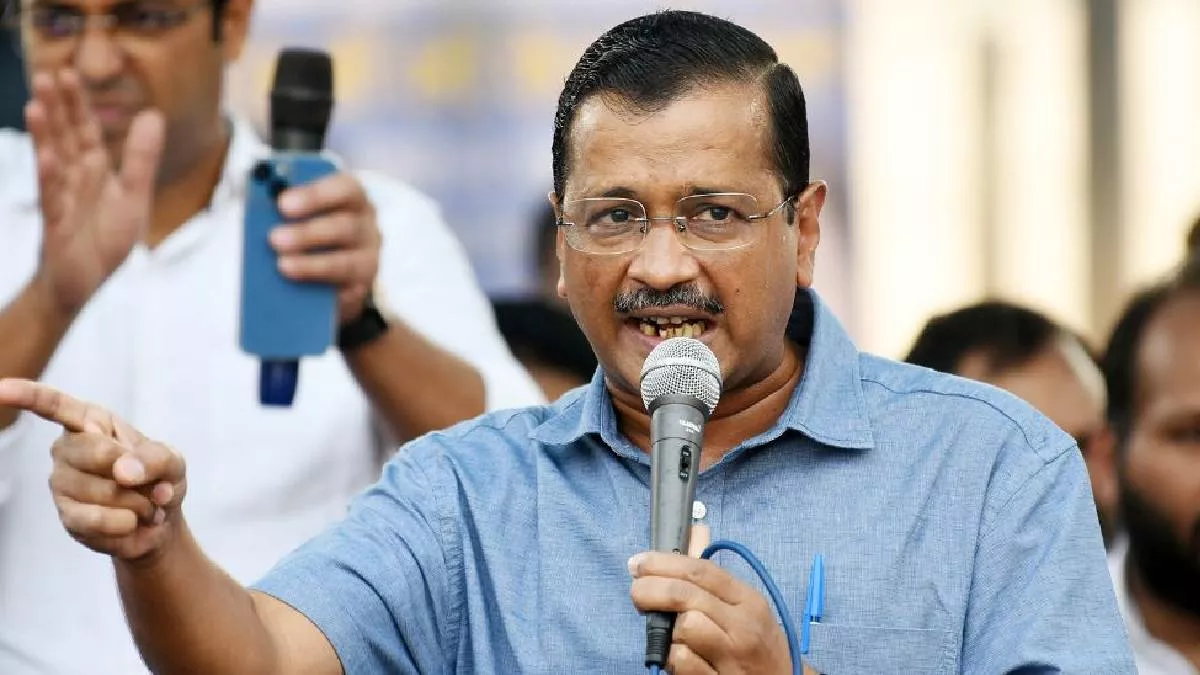
The recent political maneuvering by the Aam Aadmi Party (AAP) has stirred discussions in Indian politics, particularly concerning its support for the National Conference (NC) in Jammu and Kashmir. This move comes on the heels of AAP’s mixed performance in Haryana, where it faced setbacks that have reportedly strained its relationship with the Congress party.

AAP’s Strategic Shift
The decision to back the NC highlights AAP’s strategic approach to strengthen its foothold in Jammu and Kashmir, an area where regional dynamics have historically been complex. By supporting the NC, AAP aims to align itself with a party that has deep roots and significant influence in the region. The National Conference, led by Omar Abdullah, has been a major political player in J&K for decades, and AAP’s partnership signals a desire to tap into that political legacy.
Political Context
In the recent assembly elections, the NC managed to secure a notable victory, winning 42 seats. In contrast, the Congress party has struggled to maintain its relevance, with only six seats to its name. This shift in political power dynamics opens doors for new alliances and partnerships, which AAP seems keen to exploit.
Moreover, Mehraj Malik’s victory in the Doda constituency against the BJP’s Gajay Singh Rana not only marked a significant achievement for AAP but also showcased the changing voter sentiments in Jammu and Kashmir. Malik’s win serves as a testament to the local population’s growing appetite for alternatives to the traditional political parties that have dominated the landscape for years.
Implications for Jammu and Kashmir
This collaboration between AAP and NC is poised to impact governance in Jammu and Kashmir. AAP’s involvement could introduce fresh perspectives and policies that aim to address the unique challenges faced by the region, particularly in areas such as development, education, and public health
The political landscape in J&K is often marred by various issues, including unemployment, infrastructure deficits, and socio-economic disparities. By partnering with the NC, AAP may leverage its governance model from Delhi to implement reforms that resonate with the local populace. Such initiatives could bolster AAP’s image as a viable alternative to established parties, both in Jammu and Kashmir and across India.
Broader Political Ramifications
On a broader scale, decision to support the NC instead of aligning with the Congress in the INDIA bloc is indicative of a potential rift within the opposition alliance. This development raises questions about the future dynamics of the INDIA coalition, especially in light of the upcoming Lok Sabha elections. If they successfully carves out a niche in J&K, it could further complicate the political equations and voter dynamics as parties prepare for the electoral battleground.
The evolving political scenario in Jammu and Kashmir will be closely watched, especially as parties position themselves ahead of the general elections. The AAP-NC alliance could either strengthen opposition unity against the ruling BJP or create further fragmentation within the opposition ranks, depending on how effectively they can collaborate and deliver on their promises to the electorate.
Conclusion
As the political landscape continues to evolve, AAP‘s backing of the National Conference represents a strategic alliance that could reshape the future of Jammu and Kashmir politics. With both parties now in a position to advocate for the needs and aspirations of the local population, it will be intriguing to observe how this partnership unfolds in the coming months and its potential implications on the larger Indian political narrative