

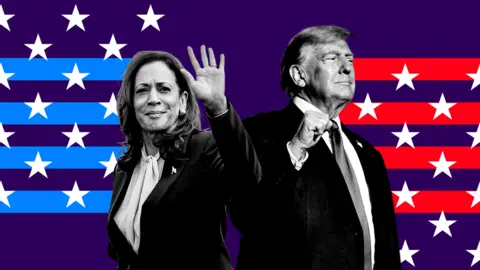
As the U.S. presidential race heats up, world leaders are observing the potential impact of a victory by either Kamala Harris or Donald Trump on global dynamics. Leaders from Moscow to Beijing, and across European and Middle Eastern capitals, have specific strategic concerns regarding the two candidates’ potential policies, shaped by each country’s unique interests and challenges. Here’s an in-depth look at how some major global leaders and regions view the prospects of either a Harris or Trump presidency and what each could mean for international relations.

India’s Interests: Continuity in Defense and Economic Partnerships
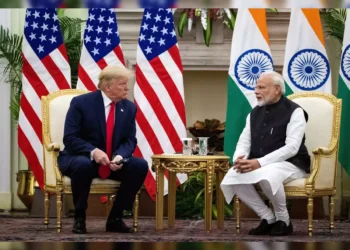
India, under Prime Minister Narendra Modi, has enjoyed strong bilateral relations with the U.S., especially during Trump’s tenure, which saw substantial defense deals and strategic cooperation aimed at balancing China’s influence in Asia. Modi’s administration has often appreciated Trump’s direct style and focus on bilateral trade, which aligned with India’s interest in boosting defense capabilities and economic partnerships.
Harris, of Indian descent, is also seen favorably in India, with expectations that she would support the Biden administration’s Indo-Pacific strategy. This approach, which includes alliances with countries like Japan, Australia, and the Philippines, aims to counter China’s assertive regional policies. Harris’s presidency would likely continue defense cooperation and tech partnerships while promoting climate cooperation, which aligns with Modi’s goals. However, Trump’s past emphasis on direct trade agreements may appeal more to Indian business interests focused on expanding access to U.S. markets.
Russia’s View: Potential Leverage in a Divisive U.S. Climate
Russian President Vladimir Putin’s stance on U.S. leadership is layered, with analysts suggesting that Moscow may lean towards Trump due to his past emphasis on “America First” policies, which could benefit Russia by reducing U.S. influence in NATO. During Trump’s first term, he was perceived as less enthusiastic about NATO, even suggesting at times that the U.S. might withdraw from the alliance if European nations failed to increase their defense spending. This ambiguity toward NATO under Trump’s administration was viewed by Moscow as a potential advantage, potentially allowing Russia more freedom to act within its sphere of influence without U.S. or NATO interference . Deutsche Welle.
However, Russian experts also caution that Trump’s unpredictable policies may not align with Moscow’s interests. Although Putin has maintained an image of diplomatic rapport with Trump, Russia saw limited tangible benefits during his presidency. Meanwhile, Kamala Harris, who advocates for strengthening alliances, would likely maintain a hardline stance on issues like Russia’s actions in Ukraine, ensuring continued U.S. support for NATO and European security. Russia may prefer Trump due to his isolationist tendencies, but Harris could provide greater predictability in diplomatic relations.
China’s Perspective: Balancing Economic and Strategic Concerns
China’s leadership, particularly President Xi Jinping, remains cautious about either candidate. Both Harris and Trump emphasize containing China’s ambitions in Asia, focusing on economic competition and security, particularly regarding Taiwan. Trump has proposed tariffs of up to 200% on Chinese goods if Beijing were to threaten Taiwan, indicating a return to the aggressive trade policies of his first term. Trump’s potential tariffs on Chinese imports could further strain U.S.-China economic ties, with significant repercussions for global trade.
On the other hand, Harris, while expected to maintain Biden’s tough stance on China, could potentially favor a multilateral approach, emphasizing alliances with countries like Japan, South Korea, and Australia. Some Chinese analysts see this as a more predictable, albeit still competitive, stance. Unlike Trump, Harris might pursue a balanced policy that includes open communication channels alongside competition in areas like technology and military expansion in the Indo-Pacific region.
Europe and NATO Allies: Security and Stability in Focus
European leaders, particularly those in NATO, likely view Harris as the preferable candidate due to her commitment to multilateral cooperation. Trump’s previous criticism of NATO funding raised concerns across Europe about the U.S.’s long-term commitment to transatlantic security. European countries facing security challenges from Russia and other regional threats may lean towards Harris, who is expected to reinforce the Biden administration’s support for NATO and European stability.
In recent years, European leaders have aligned closely with the U.S. on issues such as countering Russian aggression and addressing climate change, both of which might be priorities for Harris. Trump’s “America First” rhetoric and sporadic engagement with European allies led to questions about U.S. reliability, particularly concerning military and economic cooperation. Harris’s approach would likely assure European nations of consistent U.S. support, especially as they work to counteract Russia’s influence in Eastern Europe and address rising authoritarianism in the region.
The Middle East: Stability and Defense Agreements
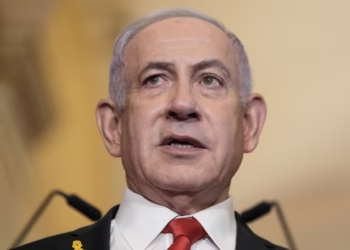
The Middle East remains a region where U.S. policy has had far-reaching consequences, and both Trump and Harris would bring unique approaches to this volatile area. During Trump’s first term, he brokered the Abraham Accords, a historic series of agreements that normalized relations between Israel and several Arab countries. This achievement gained Trump significant favor in countries like Israel, Saudi Arabia, and the UAE, where leaders viewed these accords as a pathway to greater regional stability and cooperation.
Harris, however, is expected to continue Biden’s balanced approach, supporting traditional alliances while emphasizing human rights and cautious engagement. For example, while Harris may maintain defense partnerships with countries like Israel and Saudi Arabia, she could push for dialogue over direct confrontation with Iran. Middle Eastern leaders may thus lean towards Trump for continuity in defense deals, though Harris could appeal to those hoping for a stabilized approach to contentious regional issues like the Israeli-Palestinian conflict.
Latin America: Economic Stability and Immigration Policies
For many Latin American nations, U.S. leadership profoundly impacts economic stability, trade, and immigration. Trump’s hardline stance on immigration and trade policies during his first term sparked tension with countries like Mexico, which faced tariffs and restrictions on exports. Harris’s approach would likely contrast with Trump’s by emphasizing comprehensive immigration reform and regional cooperation on economic and security issues, addressing root causes of migration such as poverty and violence.
Mexican President Andrés Manuel López Obrador and other Latin American leaders might see Harris as a partner for multilateral engagement, focused on improving conditions in Central America through aid and infrastructure initiatives. Trump, conversely, would likely revert to strict border policies, appealing to his domestic base but potentially straining relations with Latin American leaders focused on collaborative solutions.
Africa: Economic Partnerships and Climate Cooperation
Africa’s relationship with the U.S. has often centered on economic partnerships, humanitarian aid, and, more recently, climate change cooperation. Trump’s “America First” approach led to reduced engagement in Africa, as he prioritized domestic policies over foreign aid and withdrew from various global initiatives. Harris, however, is expected to continue Biden’s Africa policy, which emphasizes economic support, trade development, and climate action. African leaders may thus prefer Harris for a consistent, long-term approach to developmental assistance, economic partnerships, and health initiatives.
Trump’s return could bring back a focus on bilateral trade over multilateral aid, appealing to some leaders but potentially sidelining broader development goals. Harris’s presidency would also likely maintain support for Africa’s adaptation to climate change, aligning with many African countries’ urgent needs for infrastructure and resilience initiatives.
Conclusion
As the U.S. election approaches, world leaders are assessing how each candidate’s foreign policy may influence their countries’ interests. While Trump’s isolationist stance appeals to leaders seeking less U.S. involvement in their regions, Harris’s projected support for alliances and multilateralism is preferred by those valuing stability. Ultimately, the next U.S. president’s approach will shape international relations across key regions, with each leader viewing Harris and Trump through the lens of their unique strategic priorities.