

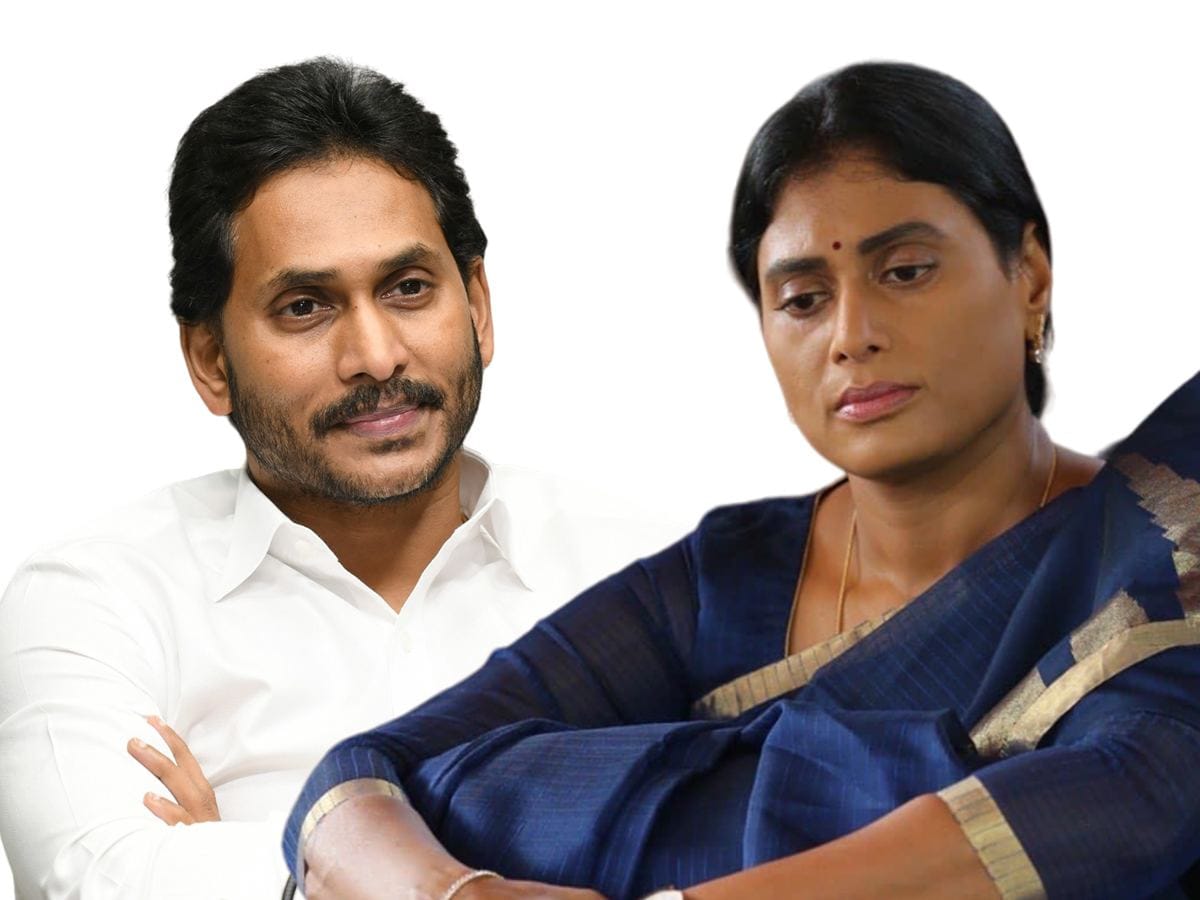
The legal dispute between Y.S. Jagan Mohan Reddy, Chief Minister of Andhra Pradesh, and his sister Y.S. Sharmila centers around control of their family-owned business, Saraswati Power and Industries Private Limited (SPIL). This high-stakes case has gained attention due to both the family drama and its broader implications in Andhra Pradesh politics. Jagan Mohan Reddy has accused Sharmila of unauthorized actions related to shares initially held by their mother, Y.S. Vijayamma. The petition, filed with the National Company Law Tribunal (NCLT), seeks to annul a July 2024 share transfer that allegedly violated the Companies Act, which Jagan asserts was done without the necessary procedural compliance and his knowledge.

Background of the Dispute
SPIL has long been a significant part of the Reddy family’s wealth, with the family’s influence stretching across both political and business landscapes. In July, Jagan became aware of what he describes as an unauthorized transfer of shares, which collectively amount to about 51% of SPIL’s holdings, including those owned by his wife, Bharathi Reddy, and associated companies. Jagan alleges that his mother, Vijayamma, and his sister, Sharmila, executed the transfer without informing him, raising questions about possible breaches of fiduciary duty within the family-run business.
In his legal filing, Jagan claims that the transfer was conducted unilaterally, undermining his stake in the business and bypassing critical procedural mandates required under the Companies Act. Specifically, Jagan argues that the process failed to adhere to essential corporate governance standards that protect shareholder rights. He has petitioned the NCLT to declare the transfer null and void and restore the shares to their original ownership structure. This case not only raises questions about the ownership of SPIL but also touches upon family dynamics that reflect larger themes of power, influence, and control.
Sharmila’s Response
Sharmila, however, has taken a public stance against Jagan’s claims, defending her actions as necessary to secure her and her children’s share of the family’s assets. She has expressed that the assets in question belong to the family as a whole rather than being individually held, thereby challenging Jagan’s interpretation of ownership. In media statements, Sharmila argued that her contributions, both to the family business and her brother’s political ascent, justify her right to a significant share of SPIL. She also emphasized that her claim aligns with traditional Indian values of equal inheritance among family members.
Vijayamma’s Role and the Family Divide
Adding complexity to this case is the involvement of Y.S. Vijayamma, the Reddy family matriarch. Historically, Vijayamma has played a significant role in her children’s political and business lives. Her alignment with Sharmila in this dispute has raised questions about the family dynamics and her shifting loyalties. Vijayamma’s endorsement of the share transfer underscores a deepening rift within the family, highlighting the challenges of navigating wealth and power within a politically influential household.
Jagan’s decision to take the matter to court reflects his intent to uphold corporate governance within SPIL and possibly prevent further familial conflicts. However, it also exposes the extent of the discord between him and his sister. Some analysts argue that the dispute hints at broader political implications, as the family’s internal divisions could impact public perception, potentially influencing voter sentiment in Andhra Pradesh. This case also underscores the tensions that can arise in politically prominent families where business holdings are tied to legacy and power.
Implications for Andhra Pradesh Politics
The Reddy family has long held a prominent position in Andhra Pradesh’s political scene, and the high-profile nature of this case has sparked widespread public and media interest. For Jagan, who is seen as a key figure in Andhra Pradesh’s political landscape, the legal battle risks exposing private family issues to public scrutiny, potentially affecting his political image. Observers suggest that the outcome of this case could have ramifications beyond the courtroom, potentially affecting alliances, party support, and public trust.
Additionally, the case sheds light on larger questions of inheritance rights within influential Indian families, where business interests often intersect with political power. As the dispute unfolds, legal experts believe that the case could set a precedent in how family-owned businesses handle inheritance disputes, especially within politically connected families. The decision made by the NCLT will be watched closely, as it could influence similar cases in the future.
Next Steps and Public Interest
The NCLT is scheduled to hear the case on November 8, 2024. Both sides are expected to present extensive evidence to support their claims, with Jagan’s legal team likely focusing on procedural lapses in the share transfer process, while Sharmila’s defense may center on her right to an equitable share of family assets. The outcome will not only determine the future of SPIL but may also redefine the power dynamics within the Reddy family and potentially impact the broader political landscape of Andhra Pradesh.
This case serves as a reminder of the complexities involved in managing family-owned enterprises, particularly when multiple members are involved in politics and business. For the public, the dispute offers a rare glimpse into the challenges and conflicts within one of India’s most prominent political families. As the case progresses, it remains to be seen how the family will reconcile these differences—or if this legal dispute will mark a permanent division within the Reddy family .
READ MORE : Deccan Chronicle