

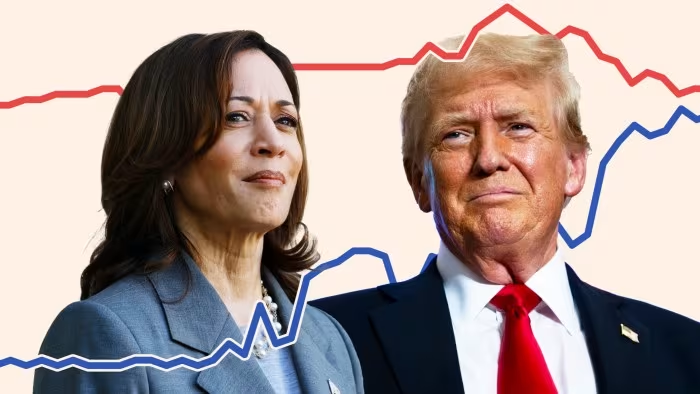
Kamala Harris Faces Tough Challenge as Trump Closes the Gap
As the 2024 U.S. presidential election approaches, Harris is rapidly losing ground to Donald Trump, with polls signaling a tightening race. In the past few months, Harris’s lead over Trump has narrowed significantly, and recent surveys indicate the two are now locked in a dead heat in key battleground states. This shift has Democrats on high alert as Trump capitalizes on economic concerns, inflation, and voter frustrations with the current administration.

Harris vs. Trump: A Tightening Race
Earlier in the campaign, Vice President Kamala Harris maintained a small but consistent lead over Trump. However, as the race enters its final stretch, polls released in 13 October 2024 show Harris’s lead has either diminished or disappeared altogether. According to polls conducted in key states like Michigan, Arizona, Nevada, Pennsylvania, and Wisconsin, Harris holds a slim 1-3 point lead over Trump—well within the margin of error. In Georgia, Trump has taken a slight lead of 2 points, showing that the race is far from secure for Harris.
The Swing States Hold the Key
Swing states, which historically determine the election outcome, are once again proving pivotal. Kamala Harris shrinking lead in these states is alarming for Democrats, particularly given the importance of swing states in deciding past elections. In states such as Michigan, Pennsylvania, and Wisconsin—where Biden narrowly won in 2020—Trump has aggressively campaigned, focusing on issues like inflation, national security, and economic stability.
Harris, meanwhile, has struggled to break through with a unified message that resonates with voters. Despite her efforts to highlight key policies on healthcare, social justice, and climate change, voter concerns about rising costs and economic uncertainties seem to be playing into Trump’s hands. For many voters, particularly in battleground states, economic issues remain the most pressing concern, and Trump’s messaging has increasingly focused on promising to restore economic growth and job stability.
Economic Concerns Drive Poll Shifts
The U.S. economy has been a central issue in this election, and it is no surprise that it is shaping voter preferences. Inflation, rising fuel costs, and concerns about the long-term economic outlook have become focal points for the Trump campaign. Trump’s ability to portray himself as the candidate who can “fix” the economy has resonated with many voters who are frustrated by the challenges they’ve faced in recent years.
In contrast, Harris has faced difficulties gaining traction on these issues, often facing criticism for being part of an administration struggling to address inflation. While the Biden-Harris administration has made progress on jobs and recovery programs, voters seem more focused on immediate economic concerns. Trump’s campaign has been adept at seizing on these concerns, framing Harris as part of the problem and positioning himself as the solution.
Trump’s Resurgent Campaign
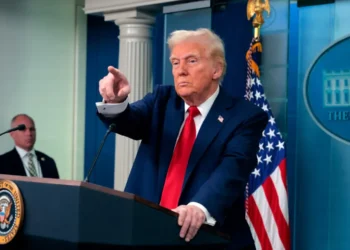
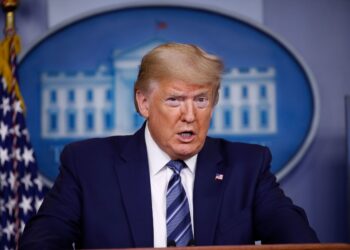
Donald Trump has been on the offensive in recent weeks, leveraging his core support base and expanding outreach in swing states. His rallies, which emphasize economic growth, immigration control, and strong national defense, have drawn large crowds, suggesting he continues to energize his voter base. Trump’s populist appeal and his ability to tap into voter frustration have made him a formidable opponent, especially in states that were considered leaning toward Harris earlier in the year.
Trump’s campaign has also benefited from targeted digital advertising, designed to appeal to voters in rural and suburban areas—demographics that tend to lean conservative but were critical for Biden’s 2020 victory. These ads emphasize Trump’s promises to lower inflation, reinvigorate manufacturing, and protect American jobs, tapping into voter fears about the future of the economy under Harris’s leadership.
Harris’s Fight to Regain Momentum
Vice President Kamala Harris is not without strengths in this race. She has made strides with key demographic groups, including women, minorities, and younger voters, all of whom played a significant role in the 2020 election. Harris’s policies on healthcare reform, climate action, and expanding social safety nets have appealed to many of these voters, though her ability to turn out these groups in the numbers necessary to counter Trump’s strong rural and conservative base remains in question.
Moreover, Kamala Harris team is working hard to capitalize on the endorsement of prominent Democratic figures, grassroots campaigning, and voter outreach efforts. The Democratic campaign is increasingly focusing on issues like reproductive rights, gun control, and climate change to energize the base. Harris has also stressed the importance of unity and democratic values, warning voters about the potential consequences of another Trump presidency, including threats to institutions and civil liberties.
The Importance of Turnout
As the final weeks of the campaign unfold, both sides are pouring resources into key states, aiming to sway undecided voters and maximize turnout. The outcome of the 2024 election will likely come down to turnout in battleground states. In 2020, Biden’s success hinged on a robust turnout effort, particularly in urban areas and among younger and minority voters. Harris will need a similar surge to stave off Trump, especially given the shifting poll numbers.
For Trump, the challenge is ensuring his base turns out in record numbers, especially in swing states where he narrowly lost in 2020. Both candidates are focusing their efforts on high-stakes voter drives and campaign rallies, hoping to mobilize support in the critical final days.
Conclusion: A Race Too Close to Call
With less than a month to go, the race between Kamala Harris and Trump is far from settled. Polls suggest that the once clear lead Harris held has evaporated, leaving the race in a near deadlock. As economic concerns dominate voter priorities, Trump has seized the opportunity to make gains in key battleground states. On the other hand, Harris’s team remains focused on energizing key demographic groups and maximizing turnout in the hopes of pulling off a victory.
Ultimately, this election may be determined by a razor-thin margin, with every vote in battleground states playing a crucial role in shaping the future direction of the United States. Both Harris and Trump are intensifying their campaigns as they head into the final weeks, making it clear that this will be one of the closest elections in recent history.