


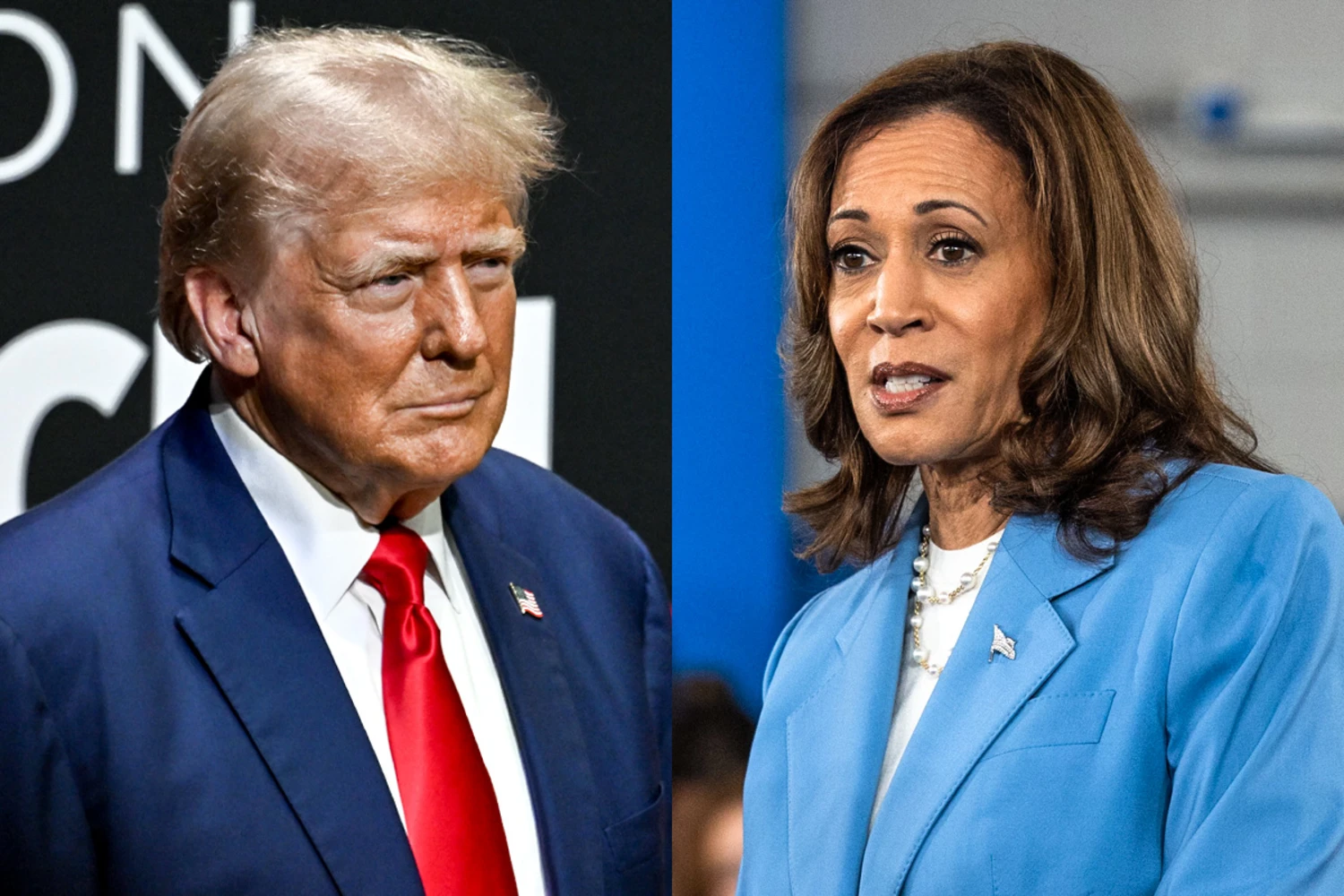
Kamala Harris’s recent surge among suburban voters has been a significant talking point in the 2024 U.S. presidential race, as it reflects a larger trend of political realignment in key regions. Suburban voters, often seen as the swing demographic, are crucial in deciding the outcome of national elections. In the 2020 election, Joe Biden managed to secure suburban counties with a six-point lead over Donald Trump. Today, that advantage seems to be shifting further in favor of Democrats, with Harris taking the lead among this vital electorate.

The Significance of Suburban Voters in 2024
Suburban voters represent nearly half of the U.S. electorate. These areas have changed dramatically over the years, becoming more diverse in terms of race, education, and political ideology. No longer dominated by affluent, white conservatives, the suburbs now reflect the nation’s racial diversity, making them a key battleground in any national election. This demographic shift is crucial for Democrats, as these areas often determine swing states and have the power to tilt the Electoral College results in their favor.
Kamala Harris’s rise in popularity among suburban voters marks a significant turn in the election race. Recent polls, such as the one conducted by PolCom Lab, show Harris with a 49% approval rating compared to Trump’s 45%. This is a reversal from earlier in the year when Trump held a slight edge over Harris in suburban regions. The vice president has particularly made gains among independent suburban voters, a group that tends to be more fluid and responsive to candidates’ policies and messaging. In contrast, Trump’s base appears to have solidified but has seen little growth beyond hardline conservative voters.
Why Suburban Voters Matter
Suburbanites are a mix of young professionals, middle-class families, and diverse racial groups who tend to be focused on issues such as education, healthcare, and economic stability. These voters are less likely to be swayed by polarizing culture wars and more interested in practical solutions that improve their day-to-day lives. In the 2024 race, Harris has targeted suburban voters by addressing these key issues, which has resonated with this demographic.
Kamala Harris’s policies on healthcare expansion, education reform, and middle-class tax relief have been central to her campaign. These are topics that suburban voters care deeply about, particularly as they grapple with rising costs of living, educational challenges, and healthcare affordability. Furthermore, Harris’s focus on racial equality and women’s rights aligns with the more progressive stance seen among younger suburban voters, especially women and minorities.
Trump’s Challenges in the Suburbs
Donald Trump, on the other hand, faces an uphill battle to regain his 2016 support among suburbanites. In the 2020 election, many suburban voters, particularly women, turned away from Trump due to his polarizing rhetoric and mishandling of the COVID-19 pandemic. Although Trump retains a loyal base, his ability to expand his support in suburban counties remains in question.
Trump’s messaging has largely focused on themes of nationalism, immigration, and law and order—issues that resonate well with his rural and conservative base but may not have the same appeal in suburban areas, where economic concerns and social services take precedence. Suburban voters, especially women and minorities, have expressed dissatisfaction with Trump’s divisive rhetoric and policies that they feel do not align with their priorities.
Kamala Harris’s Strategy for Success
Kamala Harris’s campaign has carefully targeted suburban areas with policies that directly address voters’ concerns. Her emphasis on affordable healthcare, job creation, and support for education has been well-received, particularly among middle-income families. Moreover, her campaign has focused on promoting unity and inclusivity, which stands in stark contrast to Trump’s often polarizing approach. This strategy has been successful in winning over a significant portion of suburban voters who were previously undecided or leaning towards Trump.
Another factor contributing to Harris’s success is her ability to appeal to younger suburban voters. With millennials and Generation Z making up a growing portion of the electorate, Harris’s progressive stances on climate change, LGBTQ+ rights, and racial justice have found a receptive audience. These voters are increasingly looking for leaders who represent their values and are committed to addressing the long-term challenges facing the country.
Independent Voters and Harris’s Growing Lead
One of the key factors behind Harris’s lead among suburban voters is her growing popularity with independents. In a political landscape where party loyalty is less rigid, independent voters often swing elections. Recent polls have shown that Harris has gained significant ground with this group, particularly in suburban areas where independents make up a sizable portion of the electorate. In contrast, Trump has struggled to make inroads with independent voters, many of whom are turned off by his aggressive style and controversial policies.
In particular, independent suburban women have increasingly shifted towards Kamala Harris, citing her focus on healthcare, education, and economic stability as reasons for their support. These voters have expressed concern over Trump’s handling of key issues and are looking for a candidate who offers practical solutions rather than partisan rhetoric.
The Impact on the 2024 Election
As the 2024 election approaches, the battle for suburban voters will likely intensify. Both parties understand the importance of winning over these key voters, and we can expect to see increased campaigning in suburban areas. For Harris, maintaining her lead among suburban voters will be critical to her success, while Trump will need to find a way to regain the support he lost in 2020.
The suburbs have become the new battleground for U.S. elections, and Kamala Harris’s current advantage among these voters puts her in a strong position heading into the final months of the campaign. However, with the race still close and many undecided voters yet to make up their minds, the outcome remains uncertain.
In conclusion, Kamala Harris’s lead among suburban voters marks a significant development in the 2024 presidential race. Kamala Harris ability to connect with these voters on key issues like healthcare, education, and economic stability has given her an edge over Donald Trump, who continues to face challenges in regaining his support in suburban areas. As the race unfolds, the battle for suburban voters will remain a focal point, with both candidates vying for this critical demographic.