

As Israel nears the one-year anniversary of the devastating October 7, 2023, attack by Hamas, the country is on high alert. For Israelis, the memories of that day—marked by rocket fire, terror, and a staggering loss of life—remain raw. Nearly 1,200 people died in what is now remembered as one of the deadliest days in Israel’s history.

The Day That Shattered Peace
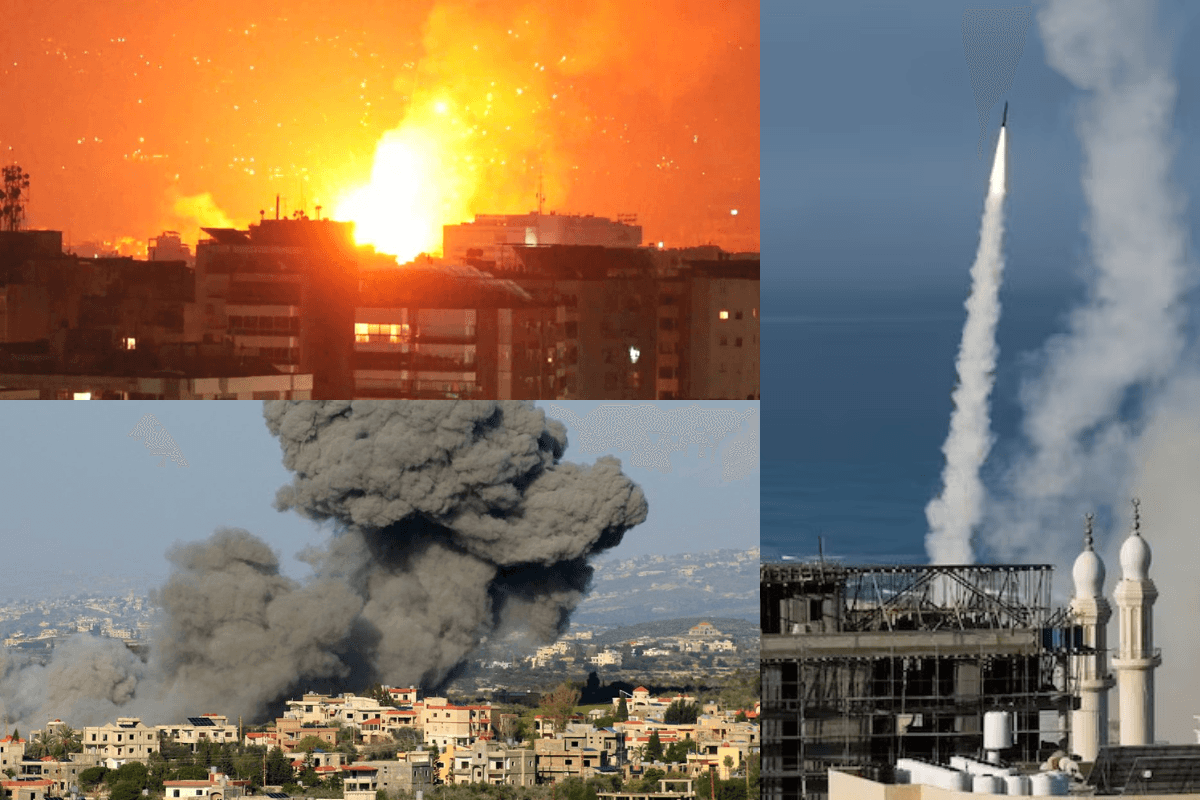
The assault on October 7, 2023, was not just an attack; it was a coordinated assault on both Israel’s defenses and its sense of security. Hamas, the militant group ruling the Gaza Strip, unleashed thousands of rockets, targeting key locations in southern and central Israel. But the rockets were just the beginning. Militants broke through the heavily guarded Gaza-Israel border, wreaking havoc in border towns and even taking civilians hostage. One of the most horrific moments occurred at a music festival near Re’im, where over 250 people were killed or captured.
The attack was a watershed moment, described by many—including U.S. President Joe Biden—as “the deadliest day for Jews since the Holocaust.” Israel responded swiftly with a military counteroffensive, launching airstrikes and a ground operation into Gaza. The response, though forceful, led to widespread devastation and thousands of Palestinian deaths, with much of Gaza left in ruins. The humanitarian crisis that followed has only deepened, as residents of Gaza continue to endure hardship and loss.
The Tension That Lingers
A year later, Israel finds itself preparing for the worst. The security presence has been dramatically increased in anticipation of a possible resurgence of violence. Checkpoints and military patrols dot the landscape, especially around Gaza, the West Bank, and Israel’s northern borders. The fear of renewed attacks, whether from Hamas or allied groups such as Hezbollah, weighs heavily on the population.
But the scars from last year’s conflict are not just physical; they run deep through the fabric of Israeli society. Many Israelis remain haunted by the horrors of that day, particularly the families of those taken hostage. Despite international mediation efforts, a significant number of hostages remain in Gaza, their fates unknown. The anguish felt by their families has led to growing unrest and protests demanding more decisive action from the Israeli government.
Israeli Society: Divided by Grief and Politics
The attack has also exposed deep political and social divisions within Israel. Initially, there was a surge of national unity, with citizens standing together in solidarity against the violence. But as time has passed, divisions have reemerged. The debate over how to address the ongoing conflict has split the public. Some argue that military force is the only solution, while others call for a diplomatic approach that addresses the underlying tensions between Israelis and Palestinians.
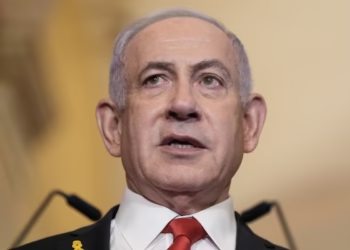
Prime Minister Benjamin Netanyahu’s government has been steadfast in its military response, asserting that Israel’s security must come first. However, his administration has faced growing criticism for its handling of the hostage crisis and the heavy toll the war has taken on civilians in Gaza. The blockade imposed on Gaza has drawn international criticism, but many Israelis believe it is necessary to prevent future attacks. Yet, this hardline stance has not come without a cost. The Israeli public, weary of war and loss, remains deeply conflicted.
Hamas and the Anniversary
For Hamas, the upcoming anniversary presents a symbolic moment. Over the past year, the group has faced the full brunt of Israel’s military force, but it remains defiant. Hamas leaders have used the anniversary to renew calls for resistance, even as Gaza continues to reel from the destruction. The death toll in Gaza, which includes thousands of women and children, has only fueled the fire of resentment and rebellion among Palestinians. Despite the hardships, Hamas retains significant support within Gaza, bolstered by external allies such as Iran and Hezbollah.
As the anniversary approaches, there is a palpable sense that Hamas may attempt to strike again, whether to commemorate the attack or to regain lost momentum. Regional powers like Iran have continued to provide material support to the group, complicating Israel’s efforts to contain the threat. The possibility of Hezbollah’s involvement from Lebanon adds another layer of complexity, with fears of a broader regional war on the horizon.
The Global Stage: Calls for Peace Amid Continued Violence
The international community has watched the unfolding crisis with a mix of concern and frustration. Diplomatic efforts to broker a ceasefire have stalled, with both sides unwilling to make significant concessions. The United Nations and various humanitarian organizations have condemned the high civilian death toll in Gaza, urging both Israel and Hamas to prioritize human rights and the protection of non-combatants.
At the same time, countries like the United States have remained firm in their support of Israel. President Biden has reiterated that Israel has the right to defend itself, though he has also called for restraint to minimize civilian casualties. European nations, too, have taken a more measured approach, balancing their support for Israel’s security with concerns about the growing humanitarian disaster in Gaza.
Looking Ahead: A Region on Edge
As the anniversary of the October 7, 2023, attack approaches, both Israelis and Palestinians are bracing for what could come next. For Israel, the focus remains on preventing another deadly assault, with security forces on high alert. Meanwhile, the people of Gaza are left to rebuild from the rubble of a conflict that shows no signs of ending.
The cycle of violence in the region is a grim reminder of the long-standing tensions that have plagued Israelis and Palestinians for decades. While leaders on both sides continue to speak of victory, it is the civilians—those caught in the crossfire—who bear the heaviest burden.
Conclusion: A Year of Heartache and Uncertainty
The legacy of the October 7 attack is one of heartache, loss, and uncertainty. As Israel prepares to commemorate the darkest day in its modern history, the shadow of further violence looms large. With no clear path to peace in sight, the future remains fraught with danger. For Israelis, the memories of that day will linger for years to come, and for Palestinians, the conflict is a daily reminder of the deep divisions that keep peace elusive. Both sides are trapped in a cycle of retaliation and fear, with no easy way out.