

Escalating Israel-Iran Conflict: A Grim Toll of Lives and Destruction
As of October 2, 2024, the conflict between Israel and Iran has intensified, resulting in significant casualties on both sides, including soldiers and civilians. The situation has escalated primarily due to Israeli operations against Hezbollah, an Iran-backed militia in Lebanon, and retaliatory strikes from Iran.

Casualties Mount in Lebanon and Israel
The Israeli Defense Forces (IDF) reported the deaths of eight soldiers during intense clashes with Hezbollah militants in southern Lebanon. Hezbollah claims to have destroyed three Israeli Merkava tanks near the border, showcasing the growing intensity of the ground combat in the region(
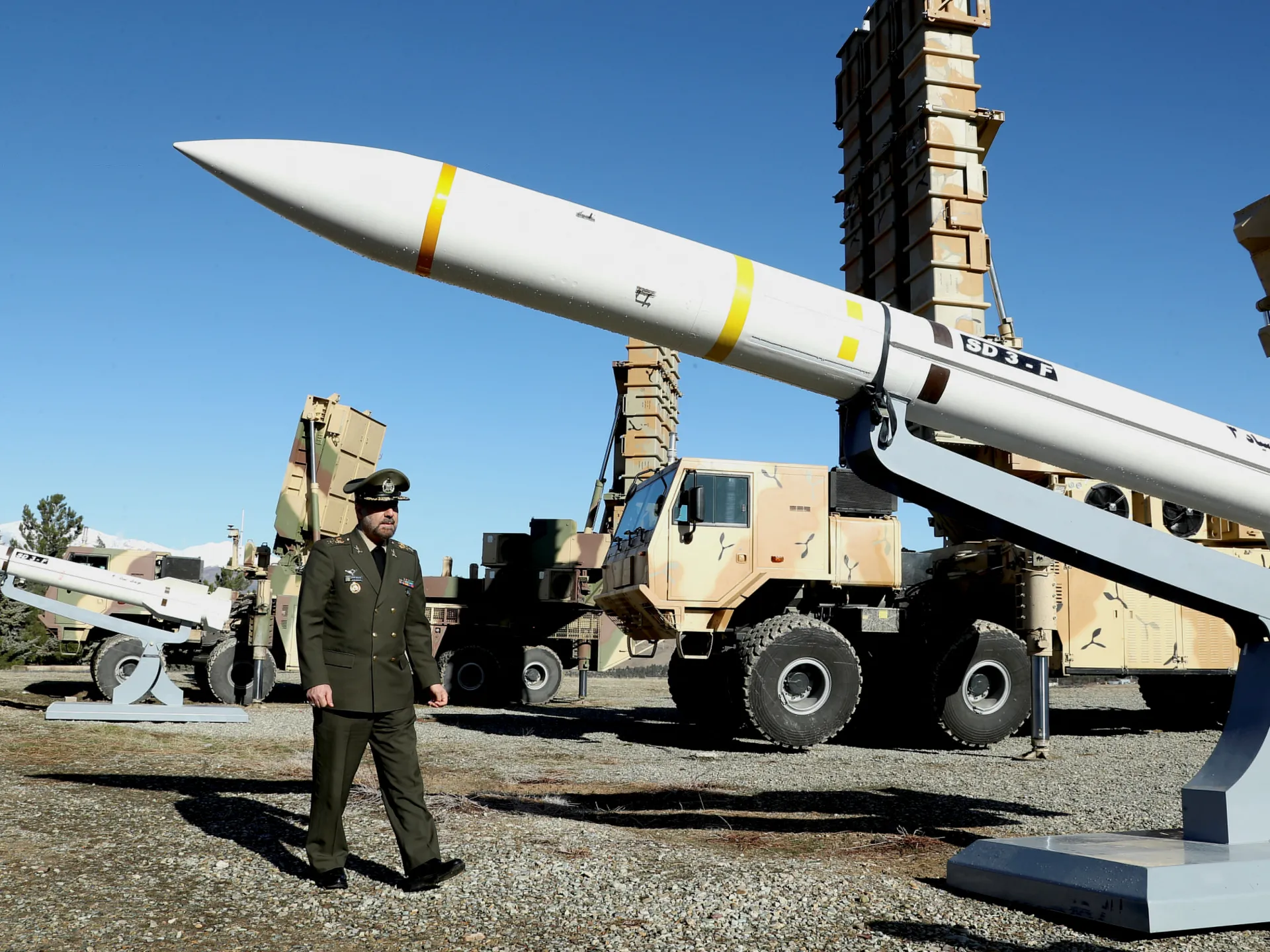
Meanwhile, Israel has been conducting extensive airstrikes across the region, targeting Hezbollah strongholds and Iranian positions. In response, Iran fired approximately 180 ballistic missiles at Israel on October 1, prompting air-raid sirens across Israeli cities, including Tel Aviv and Jerusalem. Although Israel’s Iron Dome defense system successfully intercepted most of these missiles, several hit populated areas, leading to further casualties.
Civilian Toll in Syria and Lebanon
Civilian casualties have also increased dramatically. In Damascus, Syria, Israeli airstrikes hit residential areas, killing three civilians and injuring several others. These strikes are part of Israel’s ongoing operations to dismantle Iranian military presence in Syria, a conflict that has been ongoing since the early days of the Syrian civil war.
In Lebanon, civilians are bearing the brunt of the fighting. The Lebanese border town of Maroun al-Ras has witnessed severe clashes, with civilians caught in the crossfire. International organizations have called for immediate humanitarian assistance, as the region is on the verge of a full-scale humanitarian crisis.
Diplomatic Struggles and International Response
The conflict is not just limited to military confrontations. The United Nations Security Council met urgently to discuss the crisis, with the United States strongly condemning Iran for its missile attacks on Israel. The US has warned Iran and its proxies against further escalations, emphasizing the need for Iran to face “serious consequences” if it continues its aggressive actions
. Meanwhile, France has urged its nationals to leave Iran due to the worsening situation, highlighting the risk of a broader regional conflict.
Additionally, the G7 nations have called for a diplomatic solution, stressing that continued military escalation is in no one’s interest. However, Israeli Prime Minister Benjamin Netanyahu remains firm, promising that Iran will “pay a price” for its missile attacks, while reaffirming Israel’s commitment to its national security
The Human Cost
The war’s human toll is becoming devastating. Israel has reported the deaths of at least eight soldiers, while Hezbollah and Iranian-backed groups have suffered substantial losses as well. On the civilian side, casualties are mounting across Lebanon, Israel, and Syria, with hundreds displaced from their homes due to constant bombardments. The conflict is also affecting economies, with large swathes of infrastructure in ruins and global oil markets reacting nervously to the intensifying violence in the Middle East.
Outlook
As of today, the conflict shows no signs of de-escalation. The Israeli military continues to retaliate against Hezbollah in Lebanon, while Iran remains defiant, despite global calls for a ceasefire. With Iran’s missile capabilities and Israel’s advanced air defenses, both nations are locked in a precarious standoff that could rapidly spiral into a broader regional war.
The world watches closely as diplomatic efforts persist, but with each passing day, the cost of human life and the risk of a wider conflict grow more apparent.