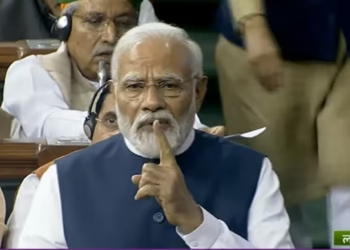


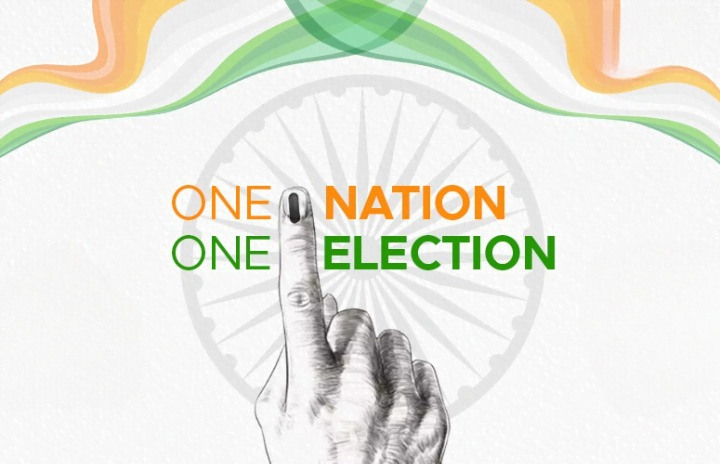
The Union Cabinet, led by Prime Minister Narendra Modi, has approved the “One Nation, One Election” proposal on September 18, 2024, marking a significant step toward synchronizing elections for the Lok Sabha and state assemblies. This reform, which has been under consideration for some time, is aimed at streamlining the electoral process and reducing the frequency of elections across India.

The move comes after a high-level committee, chaired by former President Ram Nath Kovind, submitted its comprehensive report to the government. The report is based on consultations with 47 political parties, of which 32 were in favor of the concept. Additionally, the panel gathered insights from legal experts, former Chief Justices, and Election Commissioners to assess the constitutional and logistical challenges involved.
Key Details of the Proposal
The main objective of the “One Nation, One Election” initiative is to align the electoral cycles of the national and state-level elections, reducing the burden of repeated polling on the country. Currently, elections in India are staggered, which not only consumes a significant amount of resources but also hampers governance and economic growth due to the frequent enforcement of the Model Code of Conduct.
The bill, which is expected to be tabled in the upcoming winter session of Parliament, will require several constitutional amendments. Key legal provisions, such as Articles 172 and 356, which govern the terms of state legislatures and the imposition of President’s Rule, respectively, would need to be altered. Additionally, the Representation of the People Act, 1951, which outlines the conduct of elections, will also require amendments to accommodate simultaneous elections.
Support and Criticism
While the ruling BJP supports the proposal as a way to streamline governance and save costs, opposition parties like the Congress have voiced strong objections. Congress leaders argue that holding simultaneous elections is not practical due to India’s diversity and the complex nature of federalism. They claim that such a move could undermine state autonomy and centralize power in the hands of the ruling party at the national level.
The Election Commission of India (ECI) has also expressed concerns about the logistical challenges of managing simultaneous elections. Aligning state and national polls would require a substantial increase in resources and manpower, as well as legislative reforms to ensure the integrity of the electoral process. Despite these challenges, proponents of the reform argue that the long-term benefits, including cost savings and improved governance, outweigh the difficulties.
Next Steps
With the Cabinet’s approval, the proposal will now move to Parliament, where it will likely face extensive debate. If passed, the changes could reshape India’s electoral landscape, impacting the political dynamics at both the state and national levels. However, the bill’s implementation timeline remains uncertain, given the legal and logistical hurdles that must be overcome.
This decision marks a pivotal moment in India’s democratic evolution, with potential implications for how elections are conducted and governance is managed across the country.