


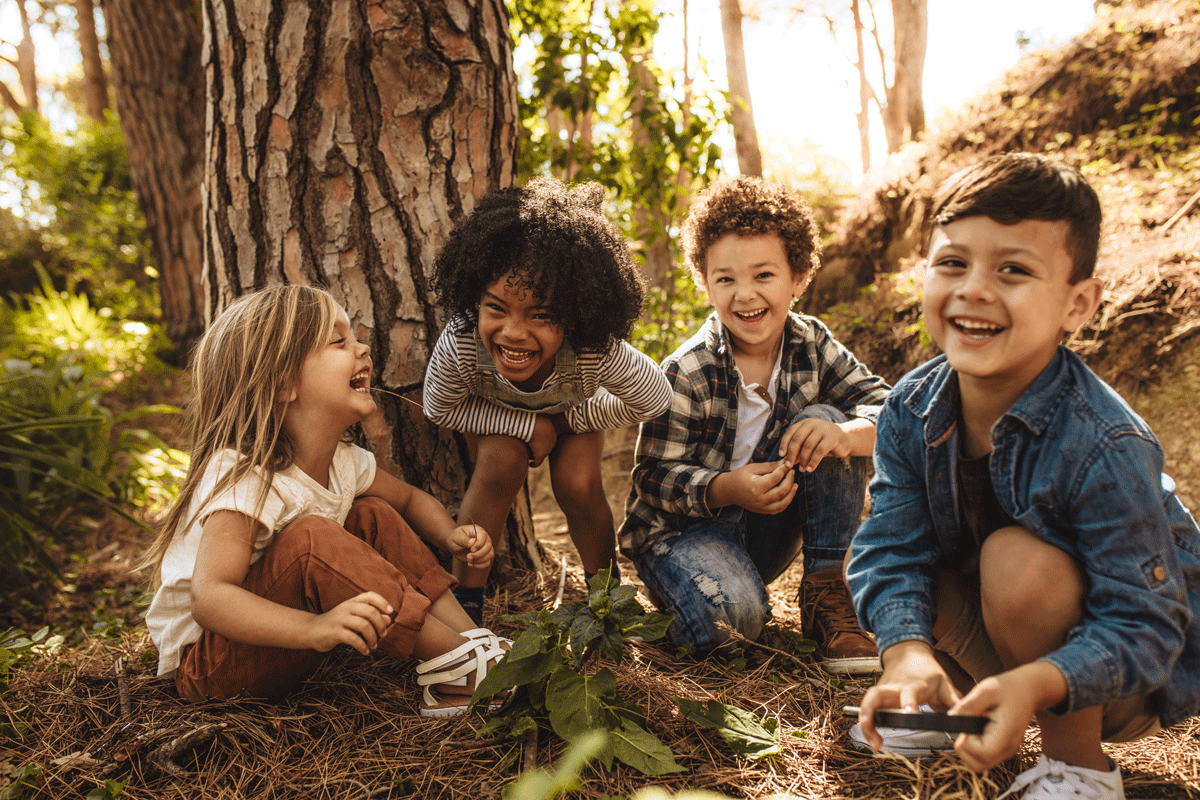
How Playing is as Important as Studying for Children: A Holistic Approach to Child Development

In today’s fast-paced world, children face immense academic pressure. Parents and educators alike often emphasize the importance of studying and achieving high academic standards. However, recent studies and child development experts highlight that playing is just as crucial as studying for children’s growth. Playtime not only fosters creativity and social skills but also enhances cognitive development, emotional well-being, and physical health. The key to a balanced childhood is understanding that playing and studying are complementary, not contradictory.
Why Play is as Important as Studying for Children
The traditional mindset prioritizes studying over playing, often perceiving the latter as a mere leisure activity. However, numerous long-term studies and research papers reveal that play is an essential part of a child’s learning process, contributing significantly to their overall development. Here are some key reasons why play is just as vital as study for children.
1. Enhances Cognitive Development
Play is a fundamental activity that engages the brain in unique ways. Games, puzzles, and imaginative play stimulate children’s brains, helping them develop problem-solving skills, creativity, and logical reasoning. According to a study by the American Academy of Pediatrics, children who engage in unstructured play show better cognitive growth, improved attention spans, and increased ability to manage complex tasks. Whether it’s a game of chess that encourages strategic thinking or free play that fosters imagination, these activities contribute to building essential cognitive functions.
2. Boosts Emotional Intelligence and Resilience
Playing allows children to explore their emotions, build friendships, and practice empathy. Group activities and games help children learn about winning, losing, and managing emotions like frustration or excitement. These experiences help them develop emotional intelligence and resilience, which are just as important as academic achievements. Through play, children encounter challenges that encourage them to persevere, fostering a growth mindset.
In contrast, children who only focus on studying may develop performance anxiety or become overly focused on academic results, neglecting the emotional intelligence needed to handle real-world problems. Playtime encourages children to explore different social roles and teaches them how to manage interpersonal relationships, making it an important aspect of emotional development.
3. Improves Physical Health
Children today face a growing risk of childhood obesity due to sedentary lifestyles driven by technology and academic pressures. Play, particularly outdoor and physical activities, encourages children to stay active. Running, jumping, cycling, or participating in sports not only promotes physical fitness but also develops motor skills, coordination, and balance. Moreover, engaging in physical activities at a young age instills lifelong habits of exercise, reducing the likelihood of developing lifestyle diseases later in life.
A well-rounded child’s schedule should include a balance of study and active play. Physical activity during play has also been linked to better concentration and focus in school, as children burn off excess energy and come back to their studies refreshed.
4. Fosters Creativity and Problem-Solving Skills
Free play, especially imaginative and creative play, helps children develop innovative thinking and problem-solving abilities. When children play make-believe games, they create scenarios, explore different outcomes, and engage in abstract thinking. These activities train the brain to approach problems from various angles, which is essential for academic success and life skills.
Studies show that children who engage in regular creative play exhibit better problem-solving abilities later in life. Whether building with blocks or creating a game from scratch, children learn how to adapt to situations, solve problems, and work with others, which are critical skills in today’s competitive world.
5. Builds Social Skills and Teamwork
Playing with peers allows children to practice cooperation, negotiation, and teamwork. Whether it’s playing a team sport or organizing a game with friends, children learn how to communicate effectively, resolve conflicts, and collaborate toward shared goals. These social skills are vital for success both in school and later in life, where teamwork and effective communication are essential in the workplace.
Play also teaches children about boundaries, rules, and the consequences of actions within a safe environment. Social play encourages children to empathize with others, enhancing their ability to form healthy relationships.
6. Reduces Stress and Promotes Mental Well-being
Today, children are under immense pressure to perform academically, leading to stress and anxiety. Play is a natural stress reliever, allowing children to unwind and enjoy the moment. Engaging in play activities releases endorphins, the body’s natural mood enhancers, which help in reducing stress and anxiety.
Research has shown that play, especially outdoor and free play, positively impacts mental well-being by giving children a break from structured tasks and offering a sense of freedom. It’s important to remember that a child’s mental health is just as important as their physical health and academic success.
The Role of Parents and Schools in Balancing Play and Study
Balancing play and study is crucial to a child’s development. Parents and educators play a significant role in creating environments where children can thrive both academically and through play. Here are some ways parents and schools can strike this balance:
- Encouraging Play at Home: Parents can create an environment that promotes both structured and unstructured play at home. Designating time for creative activities, outdoor play, and social games ensures that children get the best of both worlds. Setting aside time for fun helps reduce academic burnout and encourages children to explore their creative sides.
- Schools Promoting Play-Based Learning: Schools should focus not only on academic achievement but also on play-based learning. Many progressive schools incorporate play into the curriculum, using games and activities to teach essential concepts. This makes learning more enjoyable and meaningful for children.
- Limiting Screen Time: In today’s digital age, it’s easy for children to get absorbed in screen time, which limits physical and imaginative play. Parents should establish boundaries on screen usage, ensuring that children have enough time for physical and social play.
- Incorporating Sports and Physical Activities: Schools and parents should encourage children to engage in sports and physical activities. Whether it’s enrolling in team sports, dance classes, or martial arts, these activities promote fitness, teamwork, and emotional resilience.
Conclusion: The Need for a Balanced Childhood
While academics are crucial for a child’s success, so is play. Both studying and playing are necessary for the holistic development of children, encompassing physical, cognitive, social, and emotional growth. Parents and educators must work together to ensure children are given ample opportunities to engage in both structured learning and free play. Balancing these two aspects will not only make children more well-rounded individuals but also more prepared for the challenges of the future.
In the end, the true key to a child’s success lies not in choosing between playing and studying but in recognizing the importance of both. A balanced childhood where play and learning go hand in hand will lead to happier, healthier, and more successful adults.















Comments 2