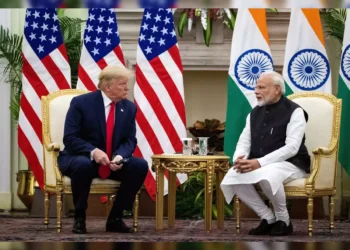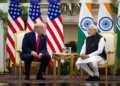



The U.S. Mission to India has opened an additional 250,000 visa appointments for Indian travelers, which include tourists, skilled workers, and students. This expansion is part of ongoing efforts to reduce the backlog of visa applications and enhance travel between the two nations. It follows a commitment made by President Joe Biden and Prime Minister Narendra Modi during recent bilateral discussions, aiming to improve the visa process for Indian citizens.

This move reflects the deepening U.S.-India relations, especially in the wake of increasing demand for U.S. visas among Indian travelers. In 2024 alone, over 1.2 million Indians traveled to the U.S., and this new batch of visa slots will address the growing interest and ease the strain on the visa application system.
The new appointments are not just for tourists but also for skilled professionals and students, with a particular emphasis on facilitating education and work-related travel. The U.S. Embassy’s move is expected to boost people-to-people connections, which serve as a foundation for bilateral relations. This development also comes alongside the U.S. Mission’s efforts to strengthen its consular operations, with additional staffing and resources being deployed to process visas efficiently.
Furthermore, during Modi’s visit to the U.S., India announced the opening of two new consulates in Boston and Los Angeles, adding to the existing ones in New York, Chicago, Houston, and Atlanta. These expansions underline the importance of fostering better diplomatic and people-to-people ties between the two countries.
While this announcement is good news for those awaiting their visa interviews, it’s important to remember that visa wait times, particularly for tourist visas, have historically been lengthy. The added appointments should help reduce these wait times significantly. Indian travelers are advised to monitor updates from the U.S. Embassy regarding the new slots and schedule their appointments promptly, as demand remains high.
This initiative marks another step in streamlining travel processes for Indian citizens, emphasizing the importance of educational, cultural, and professional exchanges between the two nations.