


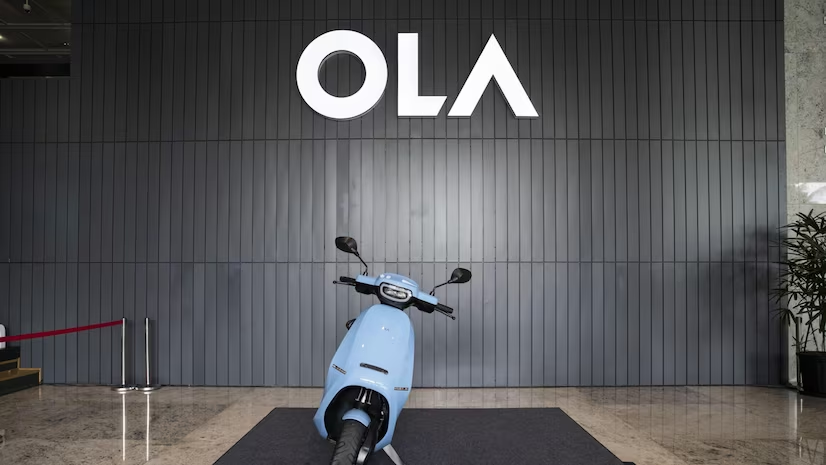
Ola Electric is currently experiencing a downturn as their shares dropped over 8%, reflecting deeper issues beyond the stock market. The fall in share prices comes after a surge of customer complaints regarding their electric scooters’ performance and after-sales service. Ola’s market share fell to 27% in September, down from 39% in July. This decline is largely attributed to recurring customer issues such as software glitches, malfunctioning scooters, and delays in repairs.

The backlash was amplified on social media, with comedian Kunal Kamra’s tweet bringing attention to the brand’s shortcomings. Kamra, along with other users, voiced concerns about poor customer service, frequent technical problems, and slow responses. Such dissatisfaction has been simmering for months, with many customers reporting unresolved issues like breakdowns, software bugs, and delayed service appointments.
Ola Electric, once lauded as a leader in the electric two-wheeler market, now faces stiff competition from players like Ather Energy, Bajaj Auto, and TVS Motors. These companies have capitalized on Ola’s recent missteps, offering better customer service and more reliable products, which has drawn away potential buyers.
Adding to the pressure, Ola Electric’s sales have declined significantly over the past few months. In September, they sold 23,965 units—down from 26,928 in August and 40,814 in July. This sharp drop indicates a larger issue in customer trust and product reliability. Ola’s slow response to these challenges is particularly damaging in an industry where customer feedback spreads rapidly, and word-of-mouth can significantly impact sales.
The company’s stock took a hit, closing below Rs 100 for the first time since its listing in August. While the stock was initially buoyed by the company’s ambitious vision and aggressive pricing, investor sentiment has since shifted due to a string of negative news and customer complaints.
Behind the scenes, Ola Electric has been trying to stabilize its financial performance. The company’s revenue grew marginally in Q1 FY25, reaching Rs 1,644 crore, a modest 2.8% increase from the previous quarter. However, the company’s losses still remain high. While Ola managed to reduce losses by 16.6% in Q1 FY25, they are still operating at a loss of Rs 347 crore for the quarter.
The challenges facing Ola Electric reflect a broader issue in the Indian EV market: after-sales service. In a rapidly growing industry like electric vehicles, customer satisfaction is key to retaining buyers. However, Ola’s lack of attention to its service network and customer experience may have a lasting impact on its reputation. For a brand that had been considered a trailblazer, these challenges are a reminder that innovation alone isn’t enough—customer care and reliability are just as important.
To regain its footing, Ola needs to focus on improving product quality, ramping up customer service efforts, and being transparent with consumers about ongoing efforts to fix these issues. In the competitive world of electric vehicles, this may be their only chance to stay ahead of the curve. Addressing customer complaints swiftly and launching initiatives to improve service quality will be crucial in winning back both customers and investors.
If Ola Electric can overcome these hurdles, it still has the potential to be a key player in the EV industry. However, the clock is ticking, and the brand’s next steps will determine whether it can regain the trust of consumers or risk losing its edge to competitors.














Comments 1