


Israel’s Precision Strike: Hezbollah Leader’s Successor Targeted in Successful Operation

In a significant development in Israel’s ongoing conflict with Hezbollah, Israeli Defense Forces (IDF) successfully carried out a high-profile operation targeting the successor to Hezbollah’s leader Hassan Nasrallah. The mission, part of a broader escalation in hostilities between Israel and Hezbollah, underscores the increasing tension in the region and Israel’s commitment to neutralizing Hezbollah’s leadership.
Background of the Operation
The operation, dubbed Operation New Order, was meticulously planned over months, capitalizing on extensive intelligence gathering. Israeli authorities had been tracking the movements of Hassan Nasrallah and his successor for a long period, waiting for the opportune moment to strike. The operation was greenlit amidst rising tensions following Hezbollah’s support for Hamas in its conflict with Israel since October 2023. Hezbollah had been launching a series of attacks on Israeli towns along the northern border, resulting in casualties and significant damage.
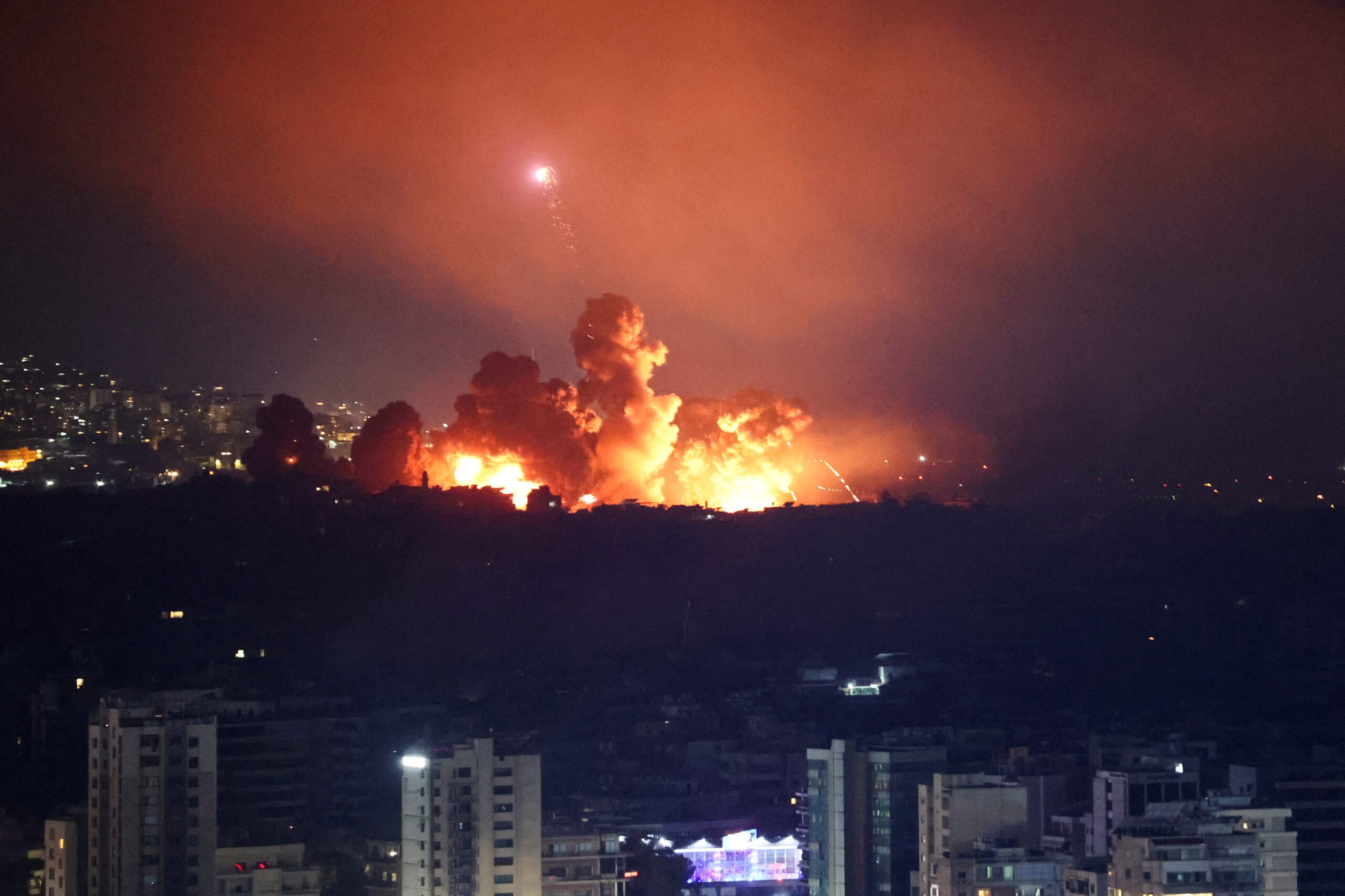
The decision to strike came after intense discussions among Israel’s top military and political leaders. The Israeli Air Force’s 69th Squadron, renowned for its precision strikes, played a pivotal role in the operation. Utilizing F-15 fighter jets and advanced weaponry, the strike targeted Hezbollah’s underground command center located in a heavily populated residential area of Beirut. The headquarters, which had been hidden under multiple apartment complexes, was completely destroyed during the mission.
Details of the Strike
The success of Operation New Order hinged on the precise execution of airstrikes aimed at Hezbollah’s high command. Over 80 one-ton bombs were used in the attack, designed to penetrate deep into Hezbollah’s underground bunker. The bombs not only obliterated the command center but also eliminated several high-ranking Hezbollah officials, significantly weakening the organization’s leadership.
The strike was carried out in the Dahiyeh district of Beirut, an area known for housing Hezbollah’s top leadership. The Israeli military had monitored the area for weeks, and the operation was timed to coincide with a high-level meeting of Hezbollah officials. Nasrallah’s successor, Abu Salah, along with several other senior commanders, was reportedly present during the attack, marking a major blow to Hezbollah’s operational capabilities.
Implications of the Operation
Israel’s precision strike on Hezbollah’s leadership has far-reaching implications, both strategically and politically. The operation signals Israel’s determination to dismantle Hezbollah’s infrastructure and disrupt its chain of command. In addition to killing Nasrallah’s successor, the strike significantly reduced Hezbollah’s ability to launch attacks on Israel, which had been escalating since the October 2023 conflict began.
Hezbollah had been using its extensive arsenal of rockets, missiles, and drones to target Israeli towns near the northern border. However, Israel’s military response, which included airstrikes and ground operations, has severely diminished Hezbollah’s offensive capabilities. According to Israeli sources, many of Hezbollah’s weapons depots and launch sites have been destroyed, limiting the group’s ability to inflict damage on Israeli civilians.
The successful targeting of Nasrallah’s successor is also a psychological victory for Israel. Hezbollah, which has long relied on its leadership’s ability to evade Israeli strikes, suffered a major setback with this operation. The death of Abu Salah, Nasrallah’s aerial forces commander, is expected to create a leadership vacuum within the organization, complicating its ability to coordinate future attacks.
Global Reactions and Future Prospects
The international community has reacted cautiously to the news of the strike. While U.S. officials expressed concern over the potential escalation of violence in the region, Israeli Prime Minister Benjamin Netanyahu defended the operation, stating that it was a necessary measure to protect Israeli citizens from Hezbollah’s aggression. Netanyahu emphasized that Israel would continue to target Hezbollah’s leadership and military infrastructure as long as the group posed a threat to Israel’s security(All Israel News).
The Biden administration, while initially muted in its response, has since acknowledged Israel’s right to defend itself against Hezbollah’s attacks. However, there are concerns about the potential for the conflict to spiral into a larger regional war, particularly given Hezbollah’s ties to Iran. Iran, a key backer of Hezbollah, condemned the strike and vowed to support Hezbollah in its fight against Israel.
As for Hezbollah, the organization has yet to issue an official statement on the strike, though Lebanese media outlets close to the group have reported heavy losses among its leadership. There are fears that Hezbollah may retaliate with further attacks on Israel, potentially leading to a broader conflict in Lebanon and beyond. However, Israeli officials have stated that they are prepared for any retaliation and have mobilized additional forces to the northern border to defend against potential incursions(The Times of Israel).
Conclusion
Operation New Order marks a significant victory for Israel in its ongoing battle against Hezbollah. By successfully targeting Hassan Nasrallah’s successor, Israel has not only disrupted Hezbollah’s leadership structure but also sent a clear message that it will continue to strike the group’s key figures and infrastructure. While the operation has reduced Hezbollah’s immediate ability to launch attacks, the long-term impact on the organization remains to be seen.
With the situation in the region remaining tense, both Israel and Hezbollah appear to be preparing for further conflict. For now, Israel’s military has the upper hand, but Hezbollah’s ability to regroup and retaliate could reignite hostilities in the near future. The international community will be watching closely as the situation unfolds, with hopes for de-escalation tempered by the reality of an ongoing, high-stakes conflict.

















Comments 3