

The arrest of Nasir Ahmad Tawhedi, an Afghan man accused of planning an ISIS-inspired terror attack on Election Day in the U.S., has shaken public confidence in security ahead of the election. Tawhedi, who entered the U.S. under a special immigrant visa, had allegedly been radicalized online and sought to carry out an act of violence in support of ISIS. His meticulous preparation, including the sale of his family home and online communications with extremist elements, highlights the persisting threat of lone-wolf terrorism, despite ISIS’s diminished global presence.

A Personal Path to Radicalization Tawhedi’s radicalization is believed to have stemmed from his frustration with ongoing conflicts in his home country. Afghan nationals, displaced and disconnected from their homeland due to wars and foreign intervention, are often vulnerable to extremist narratives that exploit their grievances. Tawhedi, living in the U.S. since 2021, likely felt alienated, a feeling further aggravated by online propaganda. This sense of isolation is what ISIS and similar groups frequently prey upon, offering disillusioned individuals a false sense of purpose and belonging through violent means.
Tawhedi’s case demonstrates how individuals, once integrated into the West, can become disconnected and eventually fall prey to extremist ideologies. Law enforcement noted his heavy online engagement with ISIS materials, which glorified acts of terror and framed violent jihad as a form of redemption. His radicalization highlights the ongoing challenge faced by Western governments in dealing with the long-term effects of foreign intervention and how it contributes to radicalization, even within the borders of safer countries like the U.S.
The ISIS Threat and Online Radicalization While ISIS may have lost significant territory in the Middle East, the group continues to thrive online, using social media and encrypted messaging platforms to reach a global audience. Tawhedi’s online activity underscores the critical role the internet plays in radicalizing individuals who may feel isolated or disconnected from their local communities. These online networks often provide a sense of identity and purpose, as seen in Tawhedi’s case. His communications with suspected ISIS affiliates reflect a broader trend where vulnerable individuals are drawn into extremist circles via the internet, which remains a significant challenge for counter-terrorism efforts.
In his defense, Tawhedi’s legal team is likely to argue that his exposure to extremist propaganda was not matched with concrete plans to execute the attack. Nonetheless, his purchase of ammunition, donations to ISIS-affiliated groups, and preparations to relocate his family all point to an escalation of radical behavior, leading law enforcement to intervene before the plot could materialize.
National Security and Immigration Debate Tawhedi’s case has sparked renewed debate over U.S. immigration policies, particularly in light of the special immigrant visa he used to enter the country. This visa program was designed to help Afghans who aided U.S. forces during the war in Afghanistan, but it has now come under scrutiny following Tawhedi’s arrest. Critics argue for stricter vetting processes for individuals from conflict zones, fearing that terrorists could exploit refugee and visa programs to enter Western countries.
However, advocates for Afghan refugees warn against generalizing the actions of one individual to the broader refugee community. Most Afghan immigrants and refugees, they argue, are fleeing violence, not seeking to perpetuate it. Tawhedi’s case, while alarming, should not lead to a blanket policy that penalizes those genuinely in need of refuge. Experts recommend focusing on integration programs that help immigrants find purpose and community in their new countries, reducing the risk of radicalization.
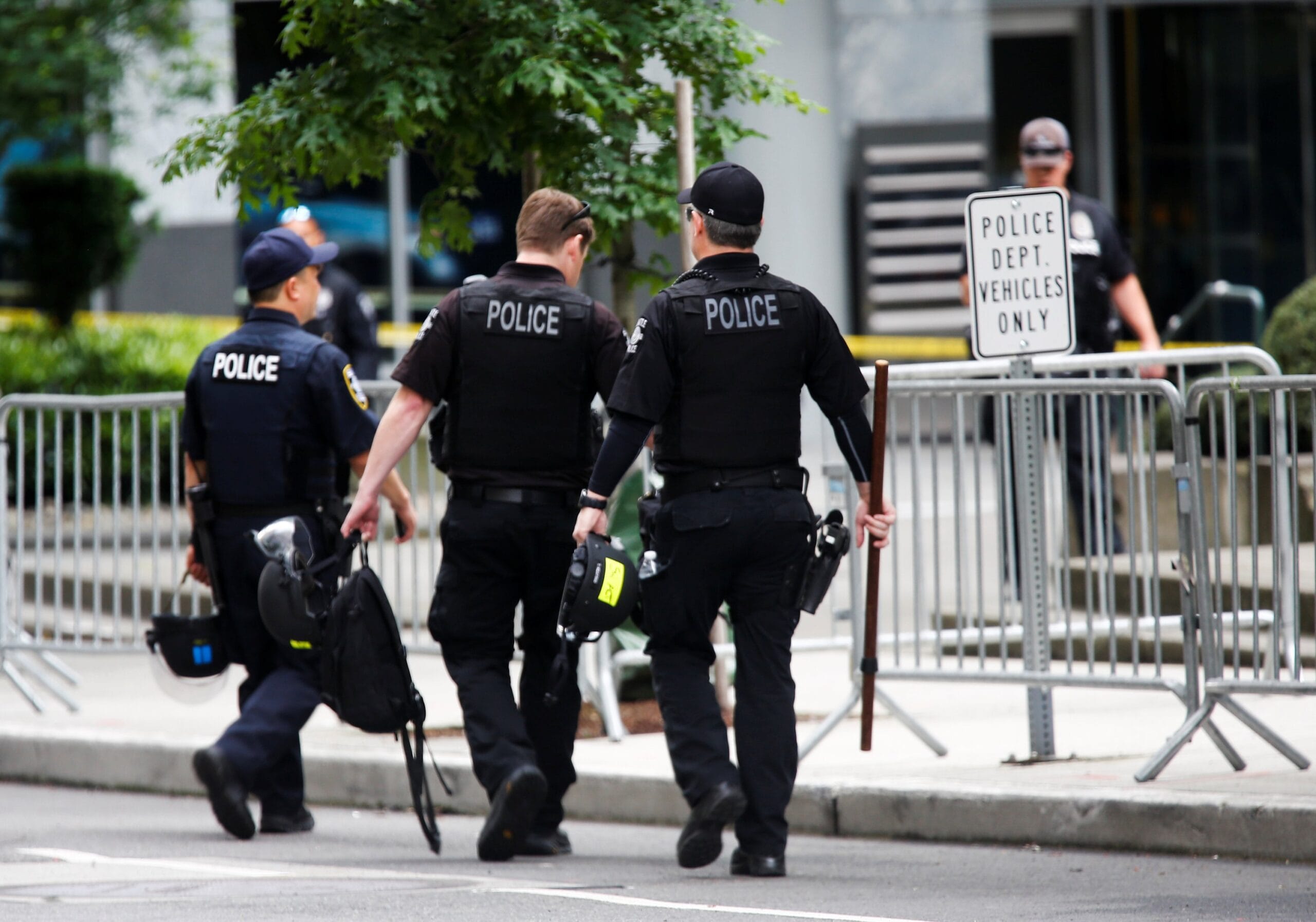
Heightened Election Security In the wake of Tawhedi’s arrest, federal authorities have increased security measures ahead of the upcoming election, particularly at polling stations and other significant sites. Tawhedi’s plan to attack on Election Day highlights the symbolic importance of democratic institutions as targets for terrorism. Law enforcement agencies across the country are on high alert, urging the public to report any suspicious activity as they work to prevent any similar attacks.
The FBI and other agencies are also focusing on monitoring online activity, recognizing that ISIS and other extremist groups continue to use social media platforms to spread their message and recruit individuals for attacks. This case serves as a reminder of the critical need for vigilance, both online and offline, especially in the context of elections when public institutions and national security are at their most vulnerable.
A Global Issue While Tawhedi’s case is specific to the U.S., the broader issue of ISIS-inspired terrorism remains a global challenge. Countries around the world are grappling with the rise of homegrown terrorism, fueled by online propaganda and extremist networks that transcend national borders. The threat is no longer limited to specific regions; it has become a global phenomenon, requiring international cooperation to combat.
The arrest of Nasir Ahmad Tawhedi provides a crucial reminder of the evolving nature of terrorism and the need for continued efforts to counter radicalization, both online and in communities. As the U.S. moves forward with its election security plans, the case highlights the importance of addressing the underlying factors that lead to extremism and ensuring that individuals like Tawhedi are not left vulnerable to the influence of violent ideologies.