

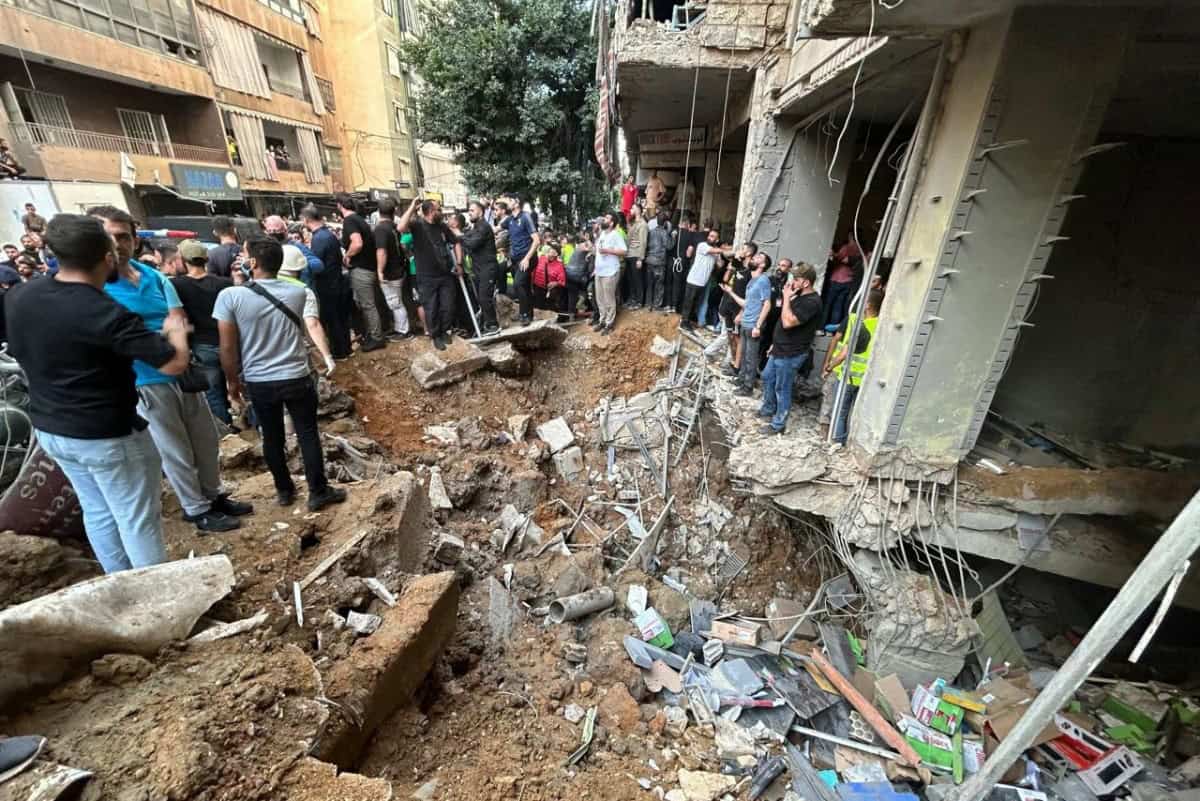
In a fresh wave of Israeli airstrikes on southern Beirut, a Hezbollah commander, Ibrahim Qubaisi, was killed along with five other Hezbollah members. The attack, which occurred in the Dahiyeh district, a stronghold of Hezbollah, is part of escalating hostilities between Israel and the Iran-backed militia. The Israeli Defense Forces (IDF) confirmed that the strike targeted senior Hezbollah figures, accusing them of planning further attacks on northern Israel.

The Lebanese Health Ministry reported a broader toll, with 31 people dead, 68 injured, and numerous civilians missing under the rubble. This strike follows a deadly week of intensifying violence in the region, with both sides trading attacks. Israel claims Akil played a pivotal role in Hezbollah’s elite Radwan Force, which has been involved in cross-border conflicts with Israel, including rocket fire into northern Israel.
Hezbollah, a key player in Lebanon’s political and military landscape, has been involved in frequent clashes with Israel since its inception. In response to the recent airstrikes, Hezbollah launched rocket attacks on Israeli territory, heightening fears of a broader conflict between the two nations. The rising tension comes amid international concerns that the ongoing Israel-Hezbollah confrontations could spiral into a full-scale war, pulling in neighboring countries and destabilizing the Middle East.
Both Lebanon and Israel have sustained casualties over the past several weeks, with civilian infrastructures, including homes and hospitals, suffering significant damage. The situation remains volatile, as both sides appear poised for further military escalation.
International bodies like the United Nations have called for restraint, urging both nations to avoid actions that could lead to a larger conflict. However, given the deep-rooted animosities and Hezbollah’s close ties with Iran, the conflict has regional implications, potentially drawing in other actors like Syria and Iran, who have vested interests in Hezbollah’s activities.
This latest strike signals a turning point in the ongoing Israeli-Hezbollah conflict, as Israel targets key leadership within the militant group. Hezbollah, known for its retaliatory actions, may intensify its attacks in response, fueling an already tense situation. As the international community watches, the potential for a broader Middle Eastern conflict looms, making the coming days critical for peace efforts in the region.
The conflict continues to displace thousands of Lebanese civilians, who are fleeing from the southern parts of the country. Israel, too, is on high alert, reinforcing its northern border as skirmishes persist. The prospect of ceasefire talks seems distant, as both sides remain resolute in their objectives, and the death toll continues to rise.