


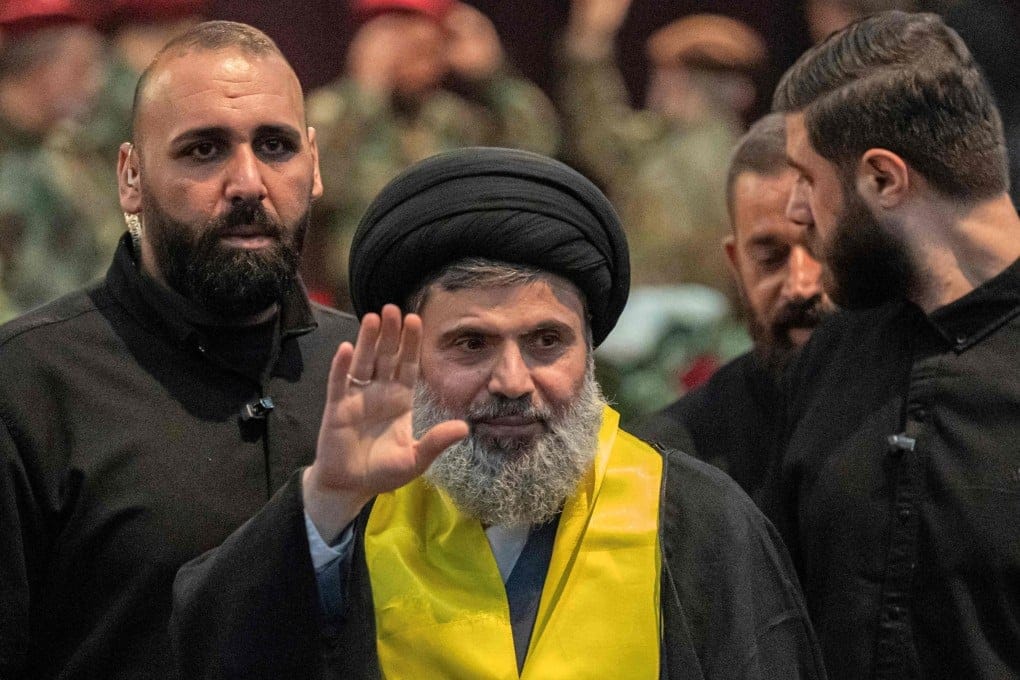
In a significant escalation of tensions between Israel and Hezbollah, the Israeli military confirmed on Tuesday that it had successfully eliminated Hashem Safieddine, a top Hezbollah leader and a potential successor to Hezbollah Secretary-General Hassan Nasrallah, during a targeted strike in southern Beirut three weeks ago. The strike also resulted in the death of Ali Hussein Hazima, Hezbollah’s head of Intelligence, along with several other high-ranking commanders within the group.

Safieddine, who led Hezbollah’s Executive Council, was responsible for overseeing the group’s political and administrative operations and had a close familial tie to Nasrallah as his cousin. His elimination marks a significant blow to Hezbollah’s leadership structure at a time when the organization is heavily involved in both Lebanon’s internal politics and its military operations against Israel.
The Israeli Defense Forces (IDF) revealed that the attack targeted a meeting of senior Hezbollah leaders in Beirut’s southern suburb, Dahieh, an area known for its strong Hezbollah presence. Although Hezbollah has yet to officially acknowledge Hashem Safieddine death, Israeli Prime Minister Benjamin Netanyahu alluded to the operation earlier this month without explicitly naming the Hezbollah leader. Netanyahu has consistently asserted Israel’s right to defend itself and take proactive measures to neutralize threats from its adversaries, including Hezbollah.
The Importance of Hashem Safieddine
Hashem Safieddine played a key role in shaping Hezbollah’s strategic and military policies, particularly concerning its relations with Iran and Syria. His responsibilities within Hezbollah’s Executive Council gave him significant influence over the group’s financial and political decisions. The U.S. State Department designated him as a terrorist in 2017, accusing him of coordinating Hezbollah’s operational and financial support from Iran, a relationship that has been crucial for Hezbollah’s growth as a military force.
His death leaves a significant void in Hezbollah’s leadership at a time when the organization is already facing internal pressures from the Lebanese political crisis and external military pressure from Israeli strikes. Analysts believe that Safieddine was being groomed to succeed Nasrallah, making his elimination a strategic gain for Israel in its long-standing conflict with Hezbollah.
Israel’s Military Campaign
The strike on Hashem Safieddine comes amid escalating hostilities between Israel and Hezbollah, which have been at the forefront of the regional proxy war between Israel and Iran. Over the past month, Israel has intensified its military operations against Hezbollah positions in southern Lebanon and the suburbs of Beirut. These airstrikes have been part of a broader Israeli effort to dismantle Hezbollah’s military infrastructure, which includes weapons depots, intelligence centers, and rocket launch sites.
The IDF has also expanded its ground operations along the Lebanon-Israel border, deploying additional troops to push Hezbollah fighters away from the border region. Hezbollah, in response, has launched numerous rocket attacks on northern Israeli cities, including Haifa, which have been largely intercepted by Israel’s Iron Dome defense system.
The Regional and Global Implications
The killing of Hashem Safieddine is expected to further heighten tensions not only between Israel and Hezbollah but also across the wider Middle East. Hezbollah’s strong ties to Iran mean that any significant loss in its leadership could provoke retaliation from Iran, which views Hezbollah as a critical component of its regional influence. Israel, on the other hand, is determined to neutralize Hezbollah’s military capabilities to prevent the group from launching significant attacks on Israeli territory.
The United Nations has expressed concern about the escalating violence, warning that the situation in Lebanon is deteriorating rapidly. UN Secretary-General António Guterres has called for restraint from both sides, emphasizing that the region is on the brink of an “all-out war” that could have devastating consequences. However, Israel has remained resolute in its stance, with Netanyahu stating that Israel’s military actions will continue until Hezbollah and other threats are neutralized.
Hezbollah’s Next Move
With the death of Safieddine, it remains unclear who will fill the leadership vacuum within Hezbollah. While Nasrallah is still the group’s top leader, his health has been the subject of speculation, and his potential successors within Hezbollah are now in question. The group’s ability to quickly reorganize and maintain its military operations will be tested in the coming weeks, especially as Israeli airstrikes continue to target key Hezbollah positions.
Although Hezbollah has not yet officially commented on Safieddine’s death, the group is known for responding to such losses with military retaliation. This could lead to further escalation along the Lebanon-Israel border, which has already seen increased skirmishes over the past few months .Jerusalem Post.
Conclusion
The confirmed killing of Hashem Safieddine marks a pivotal moment in the ongoing conflict between Israel and Hezbollah. For Israel, the elimination of a key Hezbollah leader is a significant victory in its broader campaign to weaken the group’s military and political influence. For Hezbollah, Safieddine’s death is a major blow that could disrupt its internal hierarchy and potentially spark a new wave of hostilities with Israel.
As the situation in the Middle East grows increasingly volatile, international observers fear that the conflict could spill over into a wider regional war, drawing in neighboring countries and destabilizing the already fragile political landscape in Lebanon. How Hezbollah and its allies respond in the coming days will likely determine the next phase of this decades-long conflict.














Comments 2