

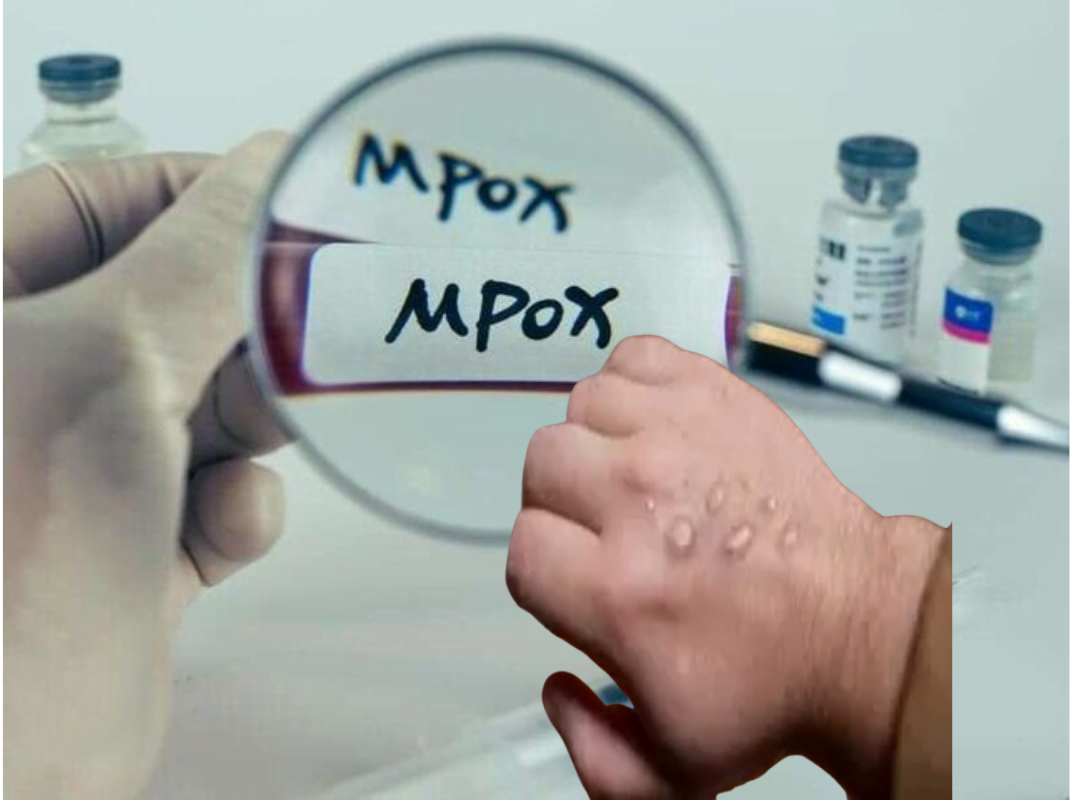
In light of growing concerns over the re-emergence of Mpox (formerly known as monkeypox) cases in India, the Union government has issued an urgent advisory to states and Union territories. The Centre has called on them to identify health facilities, prepare trained personnel, and bolster resources to handle suspected and confirmed Mpox cases. This push for preparedness follows an uptick in cases that prompted the World Health Organization (WHO) to declare Mpox a Public Health Emergency of International Concern in August 2024.

The Union Health Secretary, Apurva Chandra, emphasized the importance of a swift and coordinated response to combat the potential spread. States have been advised to implement strict infection control measures, enhance public awareness campaigns, and conduct immediate testing for individuals presenting Mpox symptoms. Samples from suspected cases are to be sent to designated laboratories, with any confirmed positive results forwarded to the Indian Council of Medical Research (ICMR) and National Institute of Virology (NIV) for genome sequencing to track the viral clades.
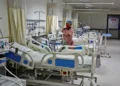
In addition to the health infrastructure, the Centre’s directive also focuses on training healthcare personnel to manage Mpox cases. This includes isolation protocols, clinical management, and handling of potentially contaminated materials. With the possibility of human-to-human transmission, especially in urban settings, the government has highlighted the need for states to prepare for an increase in cases and ensure healthcare facilities are equipped to handle severe cases.
India has seen sporadic outbreaks of Mpox, but global trends suggest that the virus is spreading across new territories. The ongoing outbreak has already impacted 122 countries, with over 100,000 confirmed cases worldwide. While the majority of cases have involved a less severe strain of the virus, the Centre’s advisory underscores the need for vigilance, given the virus’s ability to mutate and affect broader populations.
The WHO has also warned of the importance of international cooperation in tracking the virus. India, being a key player in the global health arena, is expected to take significant steps in addressing the virus domestically and coordinating with global health bodies to mitigate risks associated with cross-border transmission.
In line with the WHO guidelines, the Centre has urged states to maintain robust surveillance systems and educate the public on preventive measures, including vaccination and safer health practices. Early detection and isolation are considered critical in preventing large-scale outbreaks, as is the dissemination of accurate information to combat misinformation about the disease.
Experts believe that with the right strategies, India can avoid a significant outbreak, but the immediate focus must remain on rapid response capabilities, especially in states with weaker health infrastructure. As the situation unfolds, states are encouraged to keep communication lines open with the Centre to ensure they receive timely resources and support