


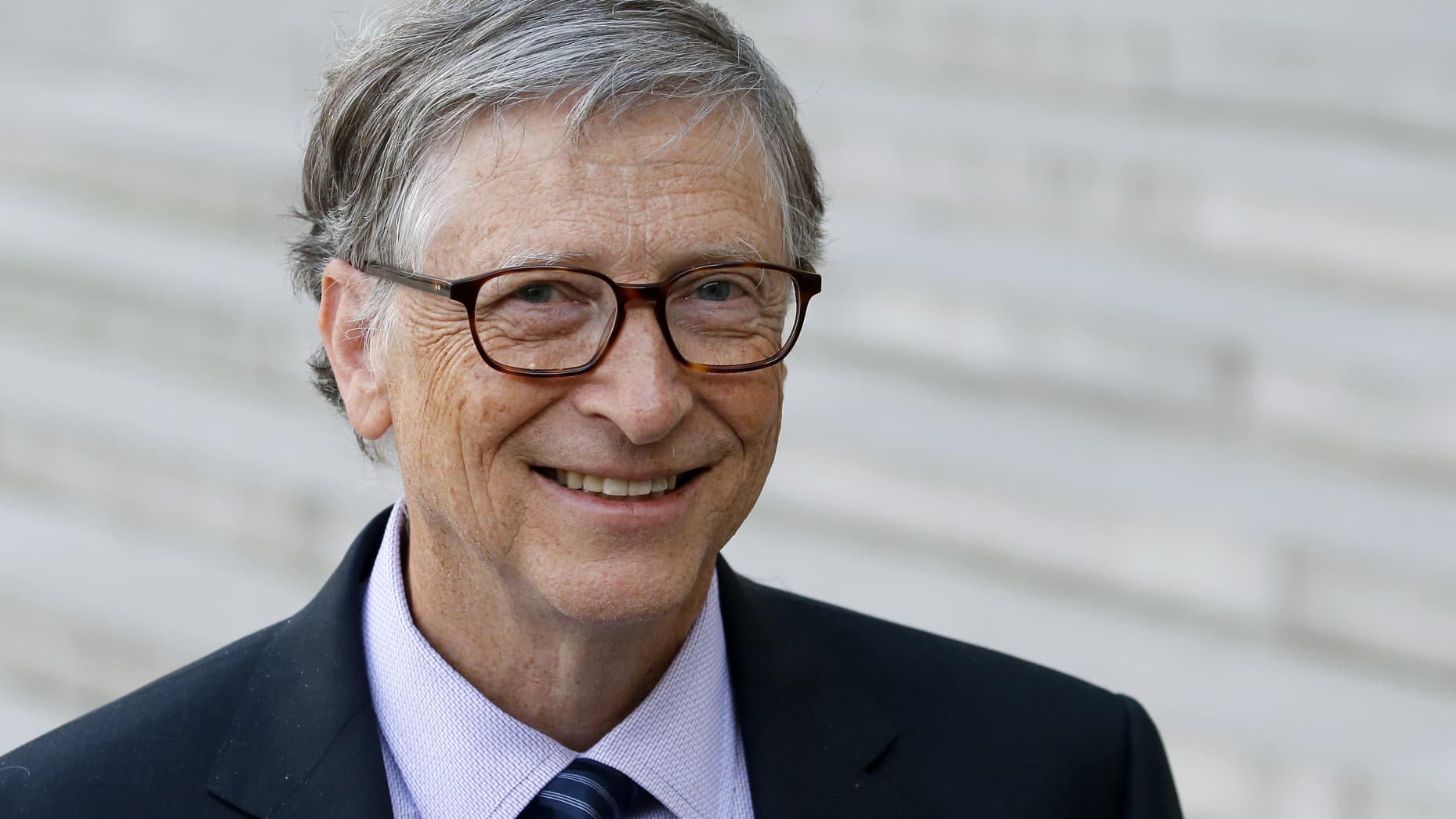
Bill Gates Backs Kamala Harris with $50 Million Donation Amid Trump Concerns
In a significant move that underscores the high stakes of the upcoming U.S. presidential election, billionaire Bill Gates has quietly donated $50 million to Future Forward, a nonprofit organization backing Kamala Harris’ presidential campaign. This substantial contribution, revealed in reports by the New York Times, comes at a critical time as the election on November 5, 2024, draws near. While Gates has refrained from publicly endorsing Harris, his financial support signals his concerns about the implications of a potential second term for Donald Trump.

The Context of the Donation
Bill Gates donation was initially intended to remain under wraps, highlighting the delicate nature of political contributions from influential figures in the business world. According to sources close to Gates, the tech mogul has expressed worries about the potential consequences of Trump’s return to power, particularly regarding funding for global health and family planning initiatives. The Bill & Melinda Gates Foundation, which Gates co-chairs, has been at the forefront of addressing global health challenges, and there are fears that Trump’s policies could lead to significant cuts in programs critical to the foundation’s mission.
In a statement to the New York Times, Gates remarked, “This election is different,” emphasizing the unprecedented significance he attributes to the current political climate. He noted that he supports candidates who demonstrate a commitment to improving healthcare, reducing poverty, and combating climate change—issues he believes will be crucial for both the United States and the wider world in the years to come.
Concerns About a Trump Presidency
Bill Gates apprehension about a potential second Trump presidency is rooted in the former president’s track record on various issues that align closely with the Gates Foundation’s objectives. Under Trump’s administration, there were attempts to cut funding for international health programs and family planning initiatives, which Gates has fought to promote globally. The billionaire is particularly worried about how such cuts could undermine progress made in combating diseases and improving health outcomes in developing countries.
Moreover, Bill Gates concern reflects a broader anxiety among philanthropic leaders and the scientific community regarding Trump’s approach to healthcare and public health policies. During his first term, Trump’s administration was marked by significant rollbacks of regulations and funding that many health experts viewed as essential to safeguarding public health. These experiences have led Gates and others to conclude that a second Trump presidency could pose serious risks to ongoing global health initiatives.
A Shift in Political Support
Historically, Bill Gates has positioned himself as a neutral player in U.S. politics, donating to candidates from both major parties. However, his recent financial backing for Harris indicates a shift in his approach, driven by the urgent need to protect critical health and social initiatives. In the past, Gates has contributed to Republican candidates, such as Alaska Senator Lisa Murkowski and Arizona’s Charles Horne. Nevertheless, his donations in the last two years have predominantly favored Democrats, including Joe Biden, Pete Buttigieg, Elizabeth Warren, and Cory Booker.
This pivot towards supporting Democratic candidates is indicative of the changing landscape within U.S. politics, particularly as issues such as climate change and public health gain more traction among the electorate. Gates’ support for Harris is not merely a reflection of party affiliation; it is also an acknowledgment of the existential challenges posed by climate change and the need for a government that prioritizes science-based policies.
Contrasting Philanthropic Approaches
Bill Gates backing of Harris stands in stark contrast to fellow billionaire Elon Musk, who has pledged to spend $140 million to support Donald Trump’s re-election campaign. Musk’s aggressive financial commitment highlights a growing trend among wealthy individuals to leverage their financial resources in an attempt to influence political outcomes. This contrast illustrates the stark division in priorities among the wealthiest Americans, with Gates focusing on global health and social issues, while Musk has aligned himself with a more populist, pro-business agenda.
Musk’s support for Trump has drawn criticism, especially given the latter’s history of questioning scientific consensus on climate change and public health. This divergence in philanthropic strategy raises questions about the role that billionaires play in shaping U.S. political discourse and policy, particularly during such a contentious election cycle.
Implications for the 2024 Election
Gates’ $50 million donation to Future Forward not only highlights his personal convictions but also serves as a bellwether for the increasing involvement of business leaders in political campaigns. As the election approaches, it is clear that Gates is not alone in his concerns; other influential figures in the business community are also becoming more vocal about the implications of the upcoming election.
The tech industry has historically maintained a somewhat ambiguous relationship with politics, often seeking to remain apolitical to avoid alienating customers and stakeholders. However, as political issues become more intertwined with business operations—especially concerning regulation, labor practices, and social responsibility—figures like Gates are stepping forward to assert their influence. This trend suggests that the 2024 election may see more substantial financial contributions from the tech sector, reflecting a growing recognition of the political landscape’s impact on business and philanthropy.
As the election draws nearer, the implications of Gates’ donation will likely extend beyond the immediate financial support for Harris’ campaign. It signals a growing recognition among philanthropists of the importance of political engagement in safeguarding the progress made in various fields, including healthcare, education, and environmental sustainability.
The choices made by voters in the upcoming election will have long-lasting consequences not only for the United States but also for the global community, particularly in areas like public health, education, and poverty alleviation. Gates’ involvement underscores the interconnectedness of these issues and the urgent need for leadership that prioritizes science, public health, and social responsibility.
In conclusion, Gates’ significant donation to Kamala Harris reflects a broader trend among the wealthy elite in the United States to actively participate in the political process. As the stakes rise and the November 2024 election approaches, the influence of figures like Gates will be crucial in shaping the political discourse and determining the future direction of key issues facing the nation and the world. With the eyes of many on the outcome, it remains to be seen how these dynamics will play out in the coming months and beyond.














Comments 1