


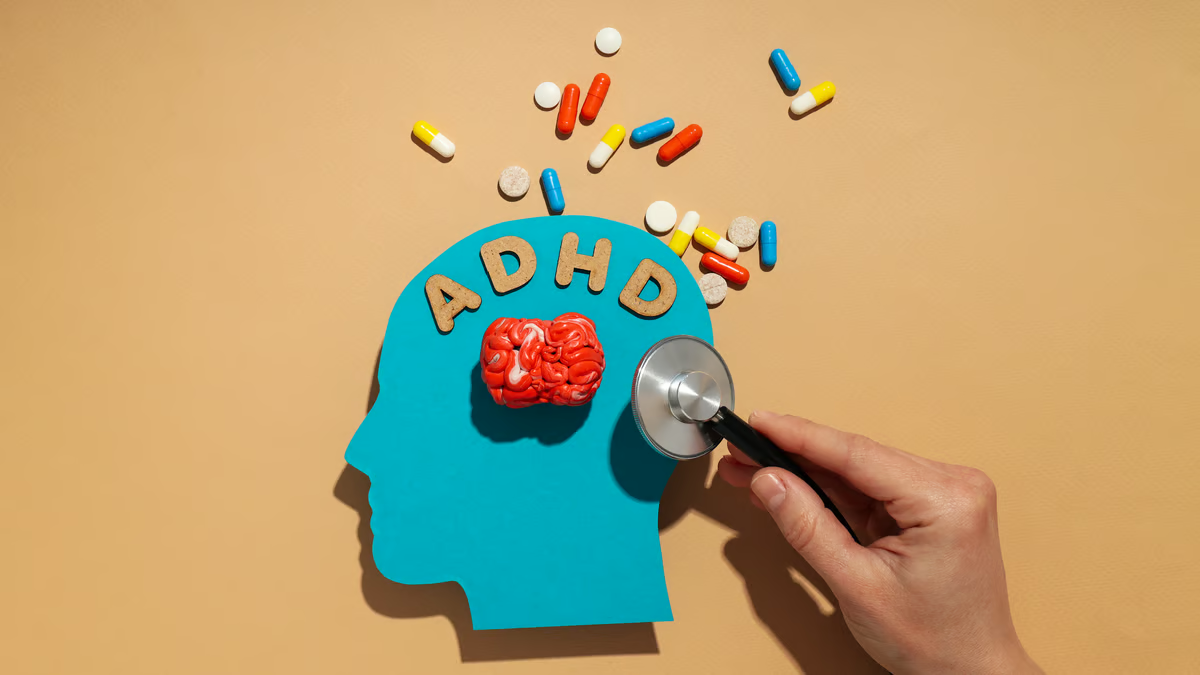
Understanding ADHD in India: A Comprehensive Overview
Attention Deficit Hyperactivity Disorder (ADHD) is one of the most common neurodevelopmental disorders globally, affecting individuals of all ages. While it has been widely studied and treated in Western countries, the understanding, diagnosis, and treatment of ADHD in India have only recently started gaining attention. This article explores ADHD’s impact in India, including symptoms, prevalence, diagnosis, treatment options, and the social stigma surrounding it.

1. What is ADHD?
ADHD is a chronic condition characterized by persistent patterns of inattention, hyperactivity, and impulsivity. These symptoms often interfere with everyday functioning and development, affecting academic, social, and occupational areas of life. ADHD typically manifests in childhood but can continue into adolescence and adulthood, leading to various challenges if not properly managed.
ADHD is broadly classified into three types:
- Predominantly Inattentive Type: Difficulty paying attention to details, following instructions, or staying focused on tasks.
- Predominantly Hyperactive-Impulsive Type: Fidgeting, difficulty staying still, interrupting others, and being overly talkative.
- Combined Type: A mix of inattentive and hyperactive-impulsive symptoms.
2. ADHD in the Indian Context
In India, ADHD is a significant but underreported issue, often overlooked due to societal stigmas and limited awareness. The Indian education system, which emphasizes discipline, academic performance, and conformity, can make it challenging for children with ADHD to thrive without targeted support. Furthermore, societal pressure often leads to parents and educators perceiving ADHD symptoms as behavioral issues rather than medical concerns, resulting in delayed diagnosis and treatment.
Prevalence of ADHD in India
Studies suggest that ADHD affects approximately 5-10% of school-going children in India, though accurate data is scarce due to underreporting and limited awareness. There’s also an observed disparity in diagnosis rates, with boys being more frequently diagnosed than girls, possibly due to differences in symptom presentation. Boys often exhibit hyperactive-impulsive behaviors, making their symptoms more noticeable, while girls may display inattentive symptoms, which can be overlooked or mistaken for daydreaming.
3. Symptoms of ADHD
Symptoms of ADHD can vary from person to person and can change over time. Here’s a closer look at the signs:
- Inattention: Difficulty sustaining attention, careless mistakes in schoolwork, inability to follow instructions, and a tendency to lose items necessary for tasks.
- Hyperactivity: Constant fidgeting, an inability to sit still, and excessive talking.
- Impulsivity: Difficulty waiting for turns, interrupting others, and acting without considering the consequences.
These symptoms can severely affect academic performance, self-esteem, relationships, and emotional well-being, highlighting the importance of timely diagnosis and intervention.
4. Challenges in Diagnosing ADHD in India
Diagnosing ADHD in India comes with a unique set of challenges. First, cultural beliefs can often lead to ADHD symptoms being dismissed as “naughtiness” or lack of discipline. Many parents may avoid seeking medical advice due to fear of stigma or judgment from society, preferring instead to address behavioral issues through traditional methods. Additionally, India’s limited number of mental health professionals and specialized pediatricians makes it difficult for families, especially in rural areas, to access reliable diagnostic services.
Steps Involved in Diagnosis
Diagnosis typically involves:
- A comprehensive assessment by a pediatrician, psychologist, or psychiatrist.
- Behavioral observations from teachers, parents, and caregivers to understand the extent of symptoms.
- Standardized ADHD questionnaires like the Conners’ Rating Scale or Vanderbilt ADHD Diagnostic Parent Rating Scale, which provide a structured way to measure ADHD-related symptoms.
However, many schools and families in India lack awareness about ADHD and these tools, leading to misdiagnosis or a complete lack of diagnosis.
5. Treatment Options for ADHD in India
Effective treatment for ADHD generally combines behavioral therapy, medications, and support systems.
- Behavioral Therapy: Behavioral interventions, such as Cognitive Behavioral Therapy (CBT), are effective for managing ADHD symptoms. These therapies aim to improve social and communication skills, problem-solving abilities, and impulse control.
- Medications: ADHD medications are often the first line of treatment in Western countries. In India, methylphenidate-based medications are available but come with societal hesitance due to misconceptions about dependency. Educating families about the benefits and risks of ADHD medications can help reduce such stigma.
- Parental Training: Parents of children with ADHD can benefit significantly from training programs that teach effective behavior management techniques. Many Indian mental health centers offer these programs to support parents in understanding and coping with their child’s symptoms.
- School-Based Interventions: Schools in India are beginning to recognize ADHD, with some offering accommodations, such as extended test times, a quiet room for exams, and special counseling services. However, much progress is still needed to implement widespread support.
6. Impact on Adolescents and Adults
ADHD in adults is an often overlooked but growing area of concern in India. Adolescents and adults with undiagnosed ADHD face challenges in academics, relationships, and the workplace. Common issues include poor organizational skills, difficulty managing time, impulsive decision-making, and challenges in sustaining attention during routine tasks. Without adequate treatment and coping strategies, these issues can lead to emotional distress, low self-esteem, and anxiety.
Support for Adults with ADHD
Adults diagnosed with ADHD benefit from a combination of medication, counseling, and skills training to manage daily tasks effectively. With the rise of mental health awareness, some organizations are beginning to provide accommodations and workshops focused on managing ADHD symptoms in the workplace.
7. Societal Stigma and Awareness
India’s cultural stigma surrounding mental health conditions like ADHD poses one of the greatest barriers to proper diagnosis and treatment. ADHD is often seen as a lack of discipline, leading parents to feel ashamed or to hide their child’s condition. Education about ADHD as a neurodevelopmental disorder, rather than a behavioral issue, is critical to reshaping these perceptions.
Recent awareness campaigns led by mental health professionals, NGOs, and social media influencers have started changing attitudes toward ADHD in India. Increased media coverage and public discussions are helping Indian society better understand ADHD and its impact, yet there remains much work to be done.
8. Government Initiatives and Future Prospects
The Government of India has made significant strides in mental health awareness, notably with the National Mental Health Program (NMHP), which aims to improve access to mental health services. Additionally, the National Education Policy (NEP) 2020 emphasizes inclusivity and support for students with learning and behavioral difficulties, including ADHD. With continued policy support, India can develop a more inclusive system that prioritizes early diagnosis, better treatment options, and greater societal acceptance.
9. Tips for Managing ADHD
- Establishing routines and creating a structured environment can help children and adults with ADHD stay organized and focused.
- Using visual aids like calendars, reminders, and to-do lists can help manage time effectively.
- Practicing mindfulness and relaxation techniques, such as deep breathing exercises and meditation, can improve focus and reduce stress.
- Involving the whole family in the treatment process can foster a supportive environment, making it easier for individuals with ADHD to thrive.
10. Conclusion
ADHD in India is gradually moving from obscurity into the national conversation on mental health. With growing awareness, early diagnosis, and effective treatment, individuals with ADHD can lead fulfilling and productive lives. Support from family, schools, healthcare providers, and society at large is essential to ensure that children and adults with ADHD are empowered to reach their full potential.
By continuing to educate society and implementing supportive policies, India can create an environment where individuals with ADHD are understood, supported, and given equal opportunities to thrive. The road ahead requires more advocacy, better access to healthcare, and sustained efforts to reduce stigma, but with time, the outlook for ADHD management in India is promising.


















Comments 1