


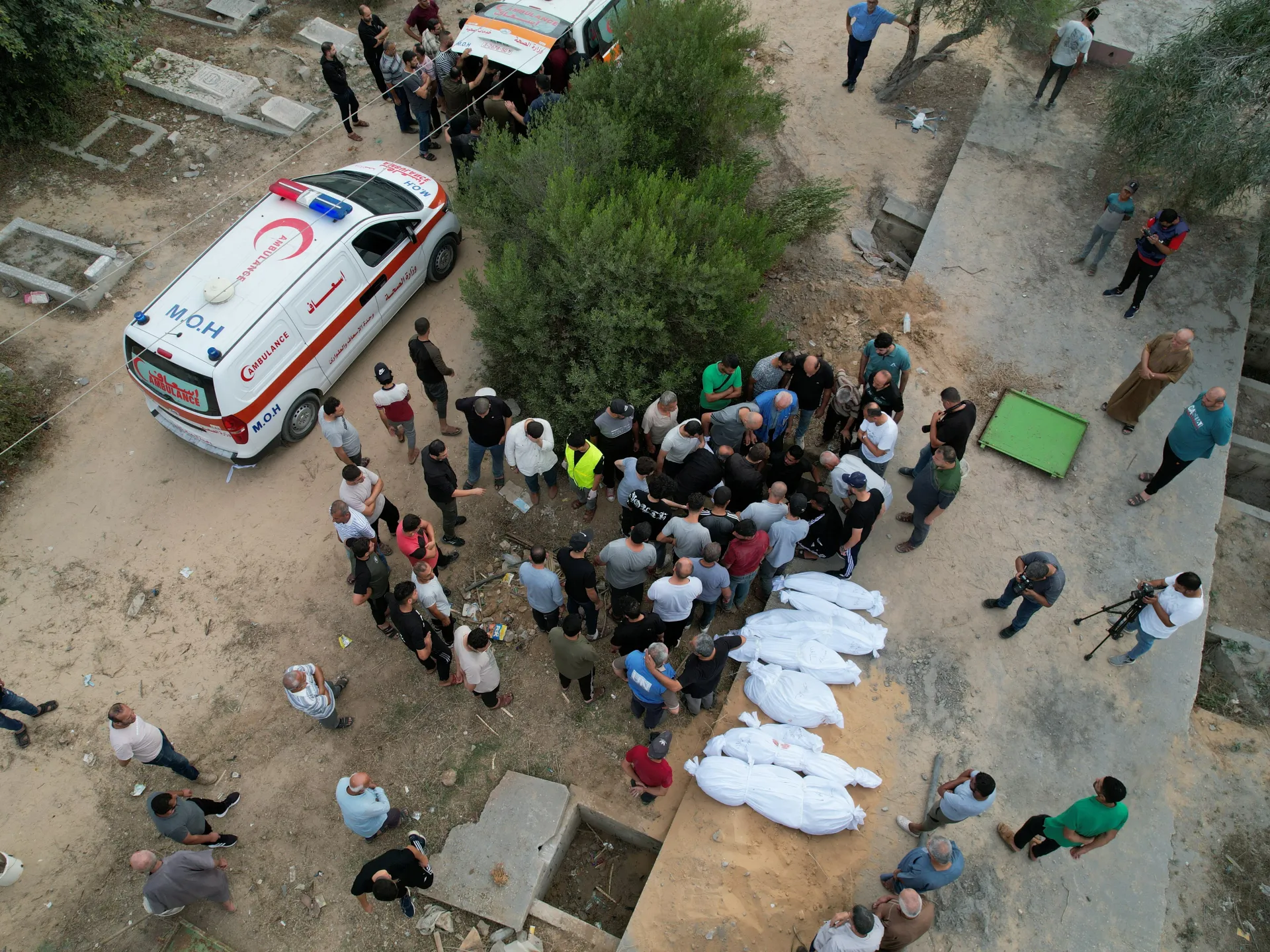
Israel’s recent military actions in Gaza and Lebanon have brought devastating consequences for civilians, with Gaza’s Government Media Office reporting the deaths of 84 Palestinians, including more than 50 children, following airstrikes on residential buildings. These incidents have intensified the humanitarian crisis in Gaza, which has already seen an estimated 43,259 fatalities and 101,827 injuries since the conflict’s escalation in October 2023. Hospitals across Gaza are overwhelmed, lacking basic supplies and staff, as Israeli forces continue their operations, particularly in the densely populated northern areas.

International reactions to the escalating violence have been mixed. While the U.N. and various global leaders call for a ceasefire, diplomatic efforts have repeatedly stalled. The U.N. Security Council has postponed voting on a resolution proposed by Arab countries to facilitate humanitarian aid and establish a ceasefire, as the U.S. remains hesitant to endorse such measures. The U.S., which continues to supply Israel with military and financial support, has announced the deployment of additional assets to the Middle East, including warships and fighter jets, to counter potential threats to its allies in the region. National Security Council spokesman John Kirby noted that these reinforcements aim to prevent further escalation, though they have sparked concerns about widening the conflict.
In Gaza, the war’s impact on health infrastructure and critical services is catastrophic. Amid an ongoing siege, shortages of medicine, food, and potable water worsen conditions. Israeli troops recently took control of Al Awda Hospital in northern Gaza, reportedly detaining medical staff and leaving critically ill patients with limited care. Other healthcare facilities have been similarly affected, with the Al-Ahli Hospital in Gaza City also raided, causing significant disruptions and limiting access to emergency services. These incidents highlight the dire need for humanitarian corridors to allow essential aid, but with Gaza effectively blockaded, aid agencies face significant challenges in delivering relief.
Despite international pressure, Israel has maintained its stance, asserting that these operations are necessary to neutralize Hamas’s military capabilities. The Israeli government has accused Hamas of using civilian areas as operational bases, though this claim has faced scrutiny. Images and reports from affected areas show widespread devastation, with buildings reduced to rubble and residents left to search for loved ones amid the debris.
The violence has also spread beyond Gaza’s borders. Lebanese officials report that Israeli airstrikes have killed dozens in southern Lebanon, where Hezbollah has a significant presence. Hezbollah has fired rockets into Israel in retaliation, further escalating cross-border hostilities. This expansion of the conflict has raised fears of a broader regional war, as Hezbollah, with support from Iran, continues to clash with Israeli forces. The situation has forced thousands of Lebanese civilians to evacuate their homes, adding to the growing number of displaced people in the region.
As the conflict drags on, the humanitarian toll has been profound. Gaza’s population, under siege for nearly a month, faces severe resource scarcity, displacement, and constant bombardment. Efforts to resume a mass polio vaccination campaign, which was suspended due to the conflict, reflect the additional strain on public health. Aid agencies are advocating for urgent humanitarian access, but efforts remain stymied by logistical and security barriers. Humanitarian organizations, including the U.N. and Doctors Without Borders, have consistently appealed for ceasefires and humanitarian corridors, emphasizing the need to protect civilians and maintain access to life-saving medical supplies.
In Israel, civilian casualties from the initial Hamas-led attacks have also been significant, with over 1,100 fatalities and more than 200 hostages still held by Hamas. The Israeli government, while defending its actions as part of a broader campaign against terrorism, faces growing domestic and international pressure to engage in negotiations for the release of hostages and to consider ceasefire agreements. Recently, CIA Director William Burns met with officials from Israel, Qatar, and other regional players to explore potential diplomatic solutions, though progress remains limited.
The ongoing crisis poses challenges for global diplomacy, with key allies of both sides caught in a complex web of security, political, and humanitarian concerns. Protests worldwide are calling for an end to hostilities, and in some cases, for re-evaluation of military alliances. Regional powers are pushing for immediate action, with countries like France, Germany, and the United Kingdom advocating for peace and humanitarian support.
While political negotiations continue behind the scenes, the immediate priority remains the protection of civilians and addressing the humanitarian needs of those affected by the conflict. As tensions persist, the world watches closely, hoping for a swift resolution that could prevent further loss of life and restore stability to the region.